Top 10 Vaccinations Every Pet Should Get

Top 10 Vaccinations Every Pet Should Get

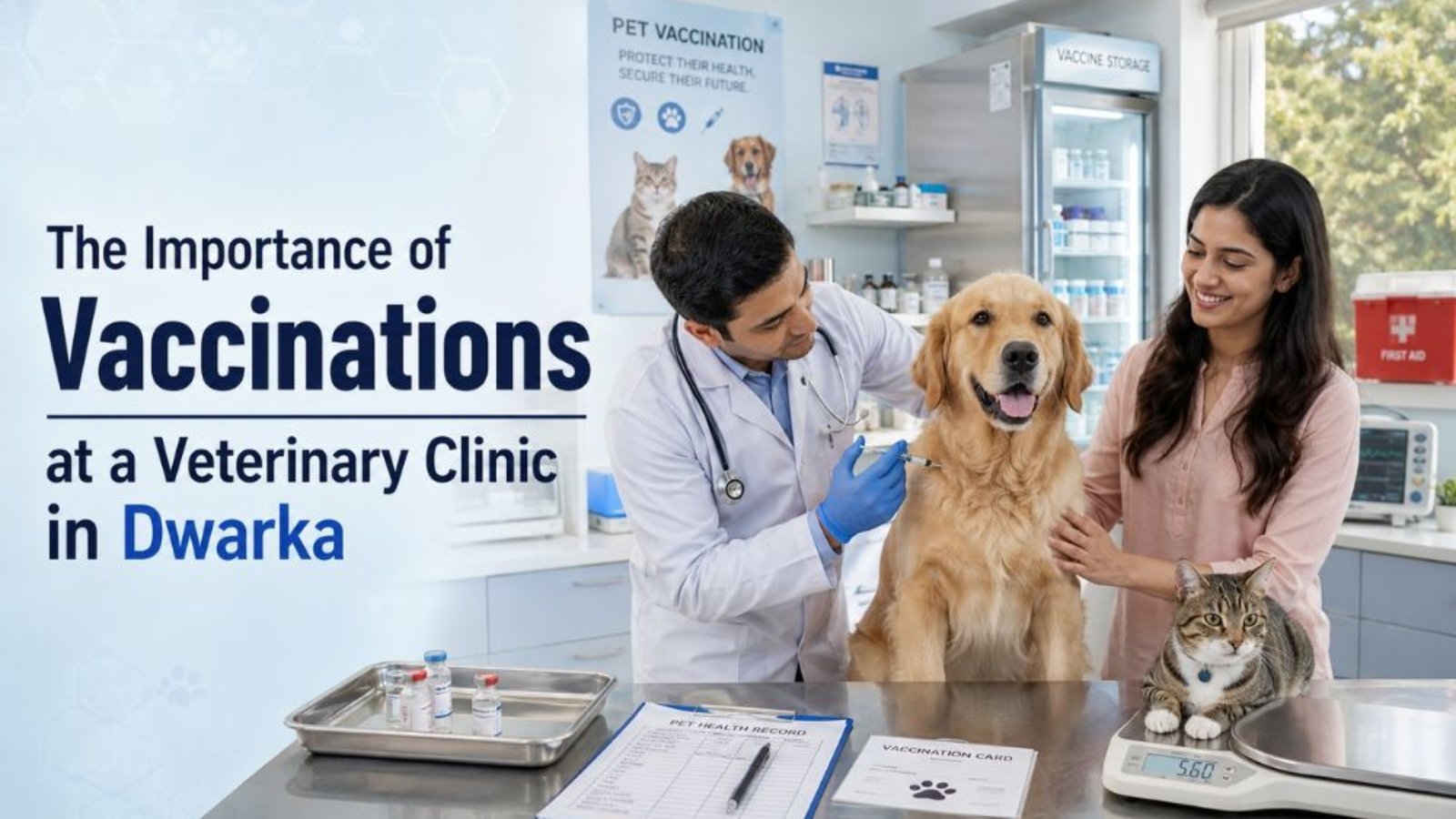
Caring for a pet involves much more than feeding, grooming, and spending quality time together. One of the most crucial responsibilities of any pet owner is ensuring their pet receives timely vaccinations. Vaccines are essential in protecting pets from potentially fatal diseases and also play a significant role in preventing the spread of infections within the community.

Whether you are a new pet parent or someone with years of experience, understanding the importance of vaccinations can help you make better decisions for your pet’s health. This detailed guide covers the top 10 vaccinations every pet should receive and explains why they are important.

Why Vaccination is Essential for Pets

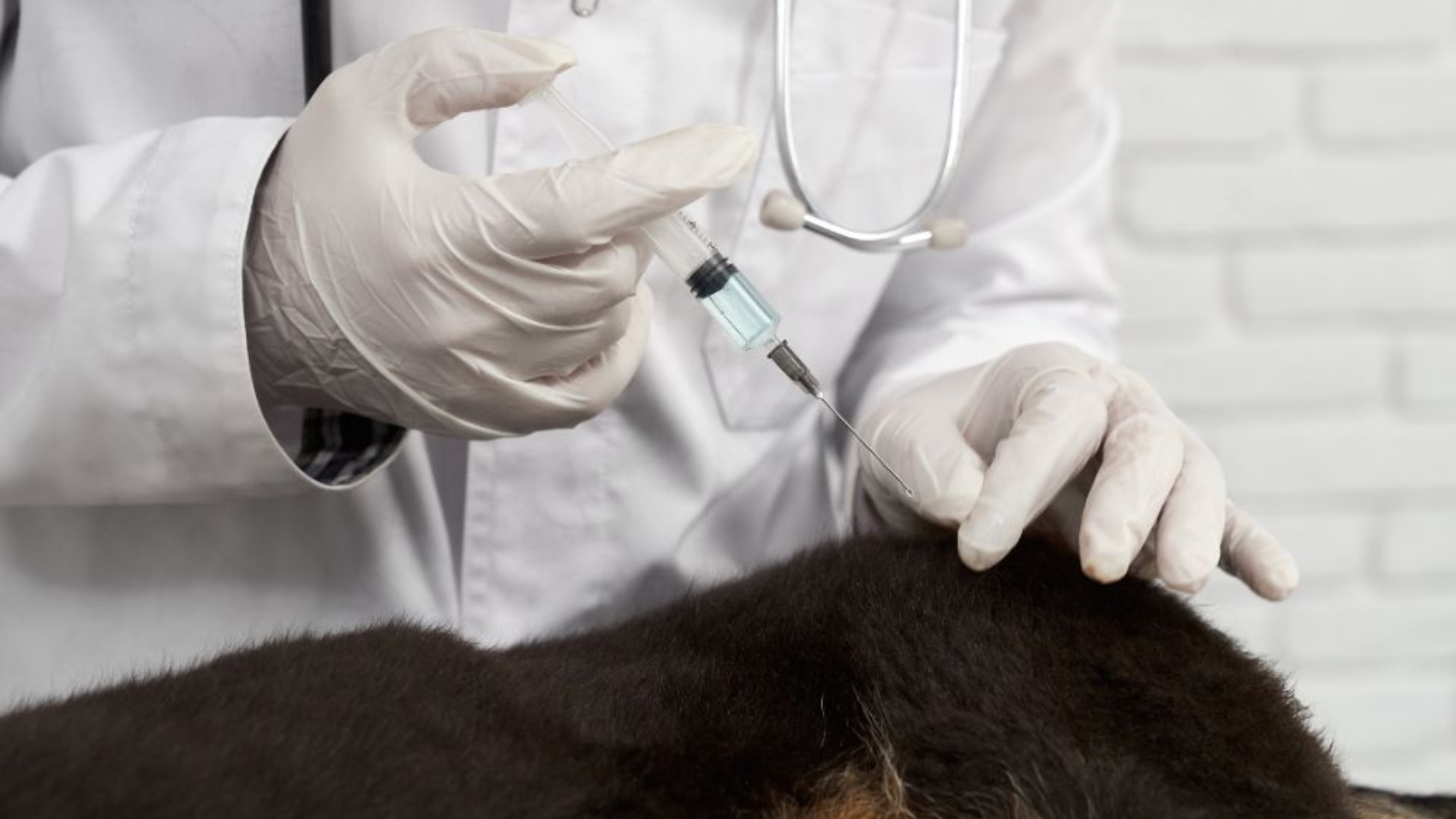
Vaccination is a preventive healthcare measure designed to strengthen your pet’s immune system. It works by introducing a harmless form of a virus or bacteria into the body, allowing the immune system to recognise and fight it effectively in the future.

Pets, especially puppies and kittens, have developing immune systems that are more vulnerable to infections. Without proper vaccination, they are at a higher risk of contracting serious illnesses that can be difficult and expensive to treat.

Additionally, some diseases can spread from animals to humans, making vaccination not only important for your pet but also for your family and the wider community.

1. Rabies Vaccine

The rabies vaccine is one of the most important and legally required vaccinations for pets in many regions. Rabies is a viral disease that affects the central nervous system and is almost always fatal once symptoms appear.

It spreads through the saliva of infected animals, usually via bites. Since rabies can also infect humans, vaccinating your pet is essential for both public safety and legal compliance.

2. Distemper Vaccine

Distemper is a highly contagious viral disease that primarily affects dogs. It attacks multiple systems in the body, including the respiratory, digestive, and nervous systems.

Symptoms may vary widely, ranging from fever and coughing to more severe conditions such as seizures and paralysis. There is no specific cure for distemper, which makes vaccination the most effective form of prevention. Puppies are particularly vulnerable and should receive this vaccine early in life.

3. Parvovirus Vaccine

Parvovirus is one of the most dangerous diseases affecting dogs, especially young puppies. It spreads easily through contaminated surfaces and causes severe vomiting, diarrhoea, and dehydration.

Without immediate medical care, parvovirus can be fatal. The vaccine is highly effective and is considered a core vaccination for all dogs. Timely vaccination significantly reduces the risk of infection.

4. Hepatitis (Canine Adenovirus) Vaccine

Canine hepatitis is caused by adenovirus and affects vital organs such as the liver, kidneys, and eyes. In severe cases, it can lead to organ failure and death.

This vaccine is typically included in combination shots given to dogs and provides strong protection against the disease. Regular vaccination ensures your pet remains safe from this serious infection.

5. Parainfluenza Vaccine

Parainfluenza is a virus that contributes to kennel cough, a common respiratory illness in dogs.

Dogs that frequently visit parks, grooming centres, or boarding facilities are at a higher risk. Vaccination helps reduce the severity and spread of the infection, making it an important preventive measure.

6. Leptospirosis Vaccine

Leptospirosis is a bacterial disease that spreads through contaminated water, soil, or urine of infected animals. It can affect both pets and humans, making it a zoonotic disease.

Symptoms include fever, vomiting, and kidney or liver damage. Since this disease can be transmitted to humans, vaccinating your pet becomes even more important for overall household safety.

7. Bordetella Vaccine

Bordetella is another major cause of kennel cough in dogs. It spreads quickly in environments where dogs are in close contact, such as boarding facilities and dog parks.

This vaccine is often recommended for social dogs or those that travel frequently. It helps prevent respiratory infections and ensures your pet remains healthy in social settings.

8. Feline Panleukopenia Vaccine

For cats, panleukopenia is a highly contagious and often deadly disease. It affects the immune system and can lead to severe dehydration, vomiting, and diarrhoea.

Kittens are especially at risk, and early vaccination is critical for their survival. This vaccine is considered a core vaccination for all cats.

9. Feline Herpesvirus Vaccine

Feline herpesvirus causes respiratory infections in cats and can lead to symptoms such as sneezing, nasal discharge, and eye infections.

Although it is not always fatal, it can cause long-term health issues if not managed properly. Vaccination helps reduce the severity of symptoms and prevents frequent flare-ups.

10. Feline Calicivirus Vaccine

Calicivirus is another common viral infection in cats that affects the respiratory system and can cause oral ulcers. It spreads easily among cats, especially in multi-cat households.

Vaccination helps protect against this infection and ensures your cat maintains good overall health.

Understanding the Vaccination Schedule

A proper vaccination schedule usually begins when pets are around 6 to 8 weeks old. Initial vaccinations are given in a series, followed by booster doses at specific intervals.

Adult pets also require regular booster shots to maintain immunity. The exact schedule may vary depending on factors such as breed, age, lifestyle, and geographic location.

It is always advisable to consult a qualified veterinarian who can design a customised vaccination plan tailored to your pet’s needs.

Common Myths About Pet Vaccination

Many pet owners believe that indoor pets do not need vaccinations. However, even indoor pets can be exposed to diseases through contaminated objects, visitors, or other animals.

Another common misconception is that vaccinations are only necessary during the early stages of life. In reality, booster doses are equally important to ensure long-term protection.

Understanding these myths and following proper veterinary advice can help you provide better care for your pet.

Final Thoughts

Vaccinations are one of the most effective ways to protect your pet from serious and potentially life-threatening diseases. They not only safeguard your pet’s health but also contribute to a safer and healthier environment for everyone.

By staying consistent with vaccination schedules and consulting your veterinarian regularly, you can ensure your pet leads a long, happy, and disease-free life. Responsible pet ownership begins with preventive care, and vaccinations are a key part of that journey. In cases where advanced treatment is required, having access to reliable services for pet surgery in Dwarka can further ensure your pet receives complete and timely medical care.

Post-Surgery Care for Pets Tips to Help Them Recover Faster

Post-Surgery Care for Pets: Tips to Help Them Recover Faster

When your pet undergoes surgery, the journey doesn’t end at the clinic it continues at home. The healing period after surgery is equally important as the procedure itself. With the right care, attention, and routine, you can help your pet heal faster, feel comfortable, and return to their normal life smoothly.

Many pet owners feel worried after bringing their pet surgery in dwarka. That’s completely natural. The good news is that with a few simple steps and proper guidance, you can make recovery easier for both you and your furry companion.

Understanding Your Pet’s Condition After Surgery

After surgery, pets may behave differently for a few days. You might notice low energy, reduced appetite, or extra sleep. This usually happens due to anesthesia and the stress of the procedure.

Some pets may also appear confused or slightly restless. These reactions are normal in the beginning, but it is important to observe your pet closely and ensure they are gradually improving.

Create a Comfortable Recovery Space

A peaceful and cozy environment plays a big role in healing. Your pet needs a place where they can rest without disturbance.

Make sure to:

  • Provide a soft and clean bed
  • Keep the area quiet and warm
  • Limit noise and movement around them
  • Keep other pets away for some time

A calm space reduces stress and helps your pet recover faster.

Follow Medication Instructions Carefully

After surgery, your veterinarian will prescribe medicines such as painkillers or antibiotics. These medicines are essential for healing and preventing infection.

Always remember:

  • Give medicines on time
  • Follow the exact dosage
  • Complete the full course
  • Avoid giving any extra or human medicine

Consistency with medication ensures a smooth recovery process.

Monitor the Surgical Area Daily

Checking the surgery site is very important. It helps you identify any early signs of complications.

Look out for:

  • Redness or swelling
  • Bleeding or discharge
  • Unpleasant smell
  • Stitches opening

If you notice anything out of the ordinary, contact your vet without delay. Early care can prevent bigger problems.

Prevent Licking or Scratching

Pets naturally try to lick their wounds, but this can delay healing and cause infections. Even a small amount of licking can damage stitches.

To avoid this:

  • Use a cone (Elizabethan collar)
  • Keep the wound protected
  • Supervise your pet regularly

It may take time for your pet to adjust, but it is necessary for proper healing.

Provide Light and Balanced Meals

After surgery, your pet’s appetite may decrease. Start with small, light meals and gradually return to their regular diet.

Helpful tips:

  • Offer easily digestible food
  • Ensure fresh water is always available
  • Follow any diet instructions from your vet

Proper nutrition supports tissue repair and improves energy levels.

Limit Physical Activity

Getting enough rest is essential for a smooth recovery. Too much movement can slow down healing or reopen the wound.

During recovery:

  • Avoid running and jumping
  • Keep walks short and controlled
  • Prevent climbing on furniture
  • Encourage rest as much as possible

Only increase activity when your veterinarian advises it.

Watch for Warning Signs

While most pets recover without issues, it’s important to stay alert. Some signs may indicate complications.

Contact your vet if you notice:

  • Loss of appetite for more than a day
  • Vomiting or diarrhea
  • Excessive swelling or bleeding
  • Fever or weakness
  • Unusual behavior

Quick action can make a big difference in your pet’s recovery.

Do Not Skip Follow-Up Visits

Follow-up checkups are essential after surgery. Your vet will examine the healing progress and remove stitches if needed.

Even if your pet seems fine, these visits ensure everything is going as planned. Skipping them can delay recovery or miss hidden issues.

Offer Emotional Comfort

Pets can feel stressed or anxious after surgery. Being around them makes your pet feel calm and protected.

You can:

  • Sit near your pet
  • Speak in a calm voice
  • Give gentle affection
  • Maintain a familiar routine

Maintain Cleanliness and Hygiene

Keeping the surroundings clean helps lower the chances of infection. Make sure your pet’s bedding and surroundings are hygienic.

Keep in mind:

  • Wash bedding regularly
  • Keep the wound area dry
  • Avoid dirty outdoor areas
  • Clean your hands before touching the wound

Simple hygiene practices can speed up recovery.

Gradual Return to Normal Routine

As your pet starts feeling better, slowly bring back their daily routine. Do not rush the process.

Start with:

  • Short play sessions
  • Regular feeding schedule
  • Gentle walks

Every pet heals at their own pace, so patience is important.

Final Thoughts

Post-surgery care is a crucial part of your pet’s healing journey. With proper rest, timely medication, good nutrition, and close monitoring, your pet can recover safely and comfortably.

Your care, attention, and love during this time make a huge difference. By creating a calm environment and following your vet’s advice, you help your furry friend return to a happy, active life.

Remember, healing takes time but with the right support, your pet will soon be back to wagging tails and playful moments.

Also Read: Senior Pet Care: How Veterinary Clinics Can Help Your Aging Pet

How Vaccinations Protect Dogs and Cats from Serious Diseases

How Vaccinations Protect Dogs and Cats from Serious Diseases

Vaccinations play a vital role in keeping dogs and cats healthy throughout their lives. Just like humans, pets are exposed to bacteria and viruses that can cause serious illness if left unprotected. Many of these diseases spread quickly, are difficult to treat, and can even be life-threatening. Vaccination is one of the safest and most effective ways to protect pets from these risks and ensure they live long, active lives.

Understanding What Vaccinations Do

Vaccines work by preparing your pet’s immune system to recognize and fight harmful infections. When a vaccine is given, it introduces a small, safe component of a disease-causing organism. This helps the immune system learn how to respond without making the pet sick.

If a vaccinated pet is later exposed to the actual disease, their body can respond quickly and effectively, often preventing illness altogether or reducing its severity.

Why Dogs and Cats Need Vaccinations

Dogs and cats are naturally curious and often come into contact with environments where viruses and bacteria exist. Parks, streets, grooming centers, boarding facilities, and even brief interactions with other animals can increase the risk of infection.

Vaccinations are especially important because:

  • Some diseases spread through the air or contaminated surfaces
  • Others are transmitted through bites or close contact
  • Certain infections can survive in the environment for long periods

Without vaccination, pets are much more vulnerable to these threats.

Common Diseases Prevented Through Vaccination

Vaccines help protect pets from several dangerous and contagious diseases. In dogs, vaccination helps prevent conditions such as rabies, distemper, parvovirus, and hepatitis. These diseases can cause severe symptoms including vomiting, diarrhea, breathing problems, neurological issues, and in many cases, death.

For cats, vaccinations protect against illnesses like panleukopenia, calicivirus, herpesvirus, and rabies. These infections can lead to fever, respiratory problems, weakness, and long-term health complications.

Many of these diseases have no cure, making prevention through vaccination extremely important.

How Vaccinations Support Long-Term Health

Vaccinated pets are more likely to grow into healthy adults and enjoy better quality of life as they age. By preventing severe infections, vaccines reduce the risk of long-term damage to vital organs such as the heart, lungs, liver, and kidneys.

Regular vaccination also:

  • Lowers the chances of recurring illness
  • Reduces medical expenses related to emergency treatment
  • Helps pets recover faster if exposed to illness

Healthy pets are more energetic, playful, and comfortable in their daily routines.

Protecting Other Pets and People

Vaccination does not only protect individual pets—it also helps protect the wider community. When more pets are vaccinated, the spread of contagious diseases is reduced. This concept, known as herd protection, is especially important for young puppies, kittens, senior pets, or animals with weaker immune systems.

Some diseases, such as rabies, can also be transmitted to humans. Keeping pets vaccinated helps protect families and communities from serious health risks.

Vaccination Schedules and Timely Boosters

Pets usually begin receiving vaccinations at a young age, followed by booster doses at specific intervals. These boosters are essential to maintain immunity over time, as protection can weaken if vaccinations are delayed or missed.

Veterinarians create vaccination schedules based on:

  • Age and species
  • Lifestyle and exposure risk
  • Local disease prevalence

Following the recommended schedule ensures pets remain protected throughout different life stages.

Addressing Common Concerns About Vaccines

Some pet owners worry about vaccine side effects. In most cases, vaccines are very safe and well-tolerated. Mild reactions such as slight swelling at the injection site or temporary tiredness may occur, but serious reactions are rare.

The risk of severe illness from preventable diseases is far greater than the risk of side effects. Veterinarians carefully assess each pet’s health before vaccination to ensure safety.

Vaccinations as Part of Preventive Care

Vaccination is an essential part of preventive pet care. Regular vet visits for vaccinations also allow early detection of health issues that may not be obvious at home. These checkups provide an opportunity to discuss diet, behavior, grooming, and overall wellness.

Preventive care helps pets stay healthier for longer and reduces the likelihood of sudden medical emergencies.

Helping Pets Live a Safer, Happier Life

Vaccinated pets are better protected in social settings such as parks, boarding facilities, and grooming centers. Owners can enjoy peace of mind knowing their pets are safe while interacting with other animals or exploring new environments.

This protection allows pets to live more active, social, and fulfilling lives.

Final Thoughts

Vaccinations are one of the most important steps pet owners can take to protect dogs and cats from serious diseases. By strengthening the immune system, preventing the spread of infection, and supporting long-term health, vaccines play a key role in responsible pet care.

Staying up to date with vaccinations helps ensure pets live healthier, happier lives while also protecting other animals and people around them. Making vaccination a priority is a simple yet powerful way to show care and commitment to your pet’s well-being.

Don’t miss: Best Veterinary Consultants for Pet Grooming, Diet, and Health Advice in Delhi

Why Vaccinations Are Essential for Dogs and Cats

Why Vaccinations Are Essential for Dogs and Cats

Vaccinations are one of the most important steps pet parents can take to protect their dogs and cats from serious and preventable diseases. While many pets appear healthy on the outside, they can still be vulnerable to infections that spread quickly and cause long-term health complications. Vaccinating your pet not only safeguards their life but also protects other animals and people around them.

Understanding why vaccinations matter helps pet owners make informed decisions that support lifelong health and wellbeing.

How Vaccines Protect Dogs and Cats

Vaccines work by preparing your pet’s immune system to recognize and fight harmful viruses and bacteria. A vaccine introduces a safe, inactive, or weakened version of a disease-causing organism, allowing the immune system to build defenses without causing illness.

When a vaccinated pet is later exposed to the actual disease, their immune system responds faster and more effectively. This reduces the severity of illness or prevents infection entirely. For puppies and kittens with developing immune systems, vaccinations provide crucial early protection.

Core Diseases Prevented Through Vaccination

Vaccinations protect pets from diseases that can be life-threatening and highly contagious.

Essential Vaccines for Dogs

Dogs are commonly vaccinated against:

  • Rabies, a fatal disease that can spread to humans
  • Canine distemper, which affects the respiratory, digestive, and nervous systems
  • Parvovirus, a severe intestinal infection especially dangerous for puppies
  • Canine hepatitis, which impacts the liver and other organs

Without vaccination, these diseases can spread rapidly and lead to serious suffering or death.

Essential Vaccines for Cats

Cats are protected against:

  • Rabies, which is dangerous for both pets and humans
  • Feline panleukopenia, a highly contagious and often fatal disease
  • Feline herpesvirus, causing respiratory illness
  • Feline calicivirus, which leads to mouth ulcers and respiratory problems

Even indoor cats benefit from vaccination, as some viruses can be carried into the home through clothing, shoes, or contact with other animals.

Preventing the Spread of Infectious Diseases

Vaccinated pets play an important role in controlling the spread of disease within the community. When a large number of pets are vaccinated, it creates a protective barrier that limits outbreaks. This is especially important in areas where pets interact frequently, such as parks, boarding facilities, grooming centers, and veterinary clinics.

By vaccinating your dog or cat, you help protect vulnerable animals, including young puppies, kittens, senior pets, and those with weaker immune systems.

Protecting Human Health and Public Safety

Some diseases that affect pets can also infect humans. Rabies is the most serious example and is almost always fatal once symptoms appear. Vaccinating dogs and cats against rabies significantly reduces the risk of transmission to humans.

This is why rabies vaccination is legally required in many regions. Keeping pets vaccinated is a responsible action that protects families, children, and the wider community.

Long-Term Health Benefits of Regular Vaccination

Vaccinations are not a one-time event. Booster shots are necessary to maintain strong immunity as protection can decrease over time. Regular veterinary visits ensure that your pet remains protected throughout different stages of life.

Consistent vaccination supports:

  • Strong immune function
  • Reduced risk of chronic illness
  • Improved life expectancy
  • Better overall quality of life

Pets that receive routine vaccinations are less likely to experience severe health complications later in life.

Vaccinations as Cost-Effective Preventive Care

Treating advanced diseases can be expensive and emotionally draining. Hospitalization, medication, and long-term care often cost far more than routine vaccinations.

Vaccination is a simple and cost-effective form of preventive care that helps pet parents avoid unexpected medical emergencies. Investing in prevention saves both money and stress in the long run.

Vaccine Safety and Common Concerns

Modern veterinary vaccines are carefully tested and regulated to ensure safety. Most pets tolerate vaccinations well, with only mild and temporary side effects such as slight lethargy, reduced appetite, or tenderness at the injection site.

Veterinarians evaluate each pet’s health before administering vaccines and adjust schedules if necessary. Serious reactions are rare, and the benefits of vaccination far outweigh the risks.

Customized Vaccination Plans for Individual Pets

Not every pet needs the same vaccination schedule. Factors such as age, breed, lifestyle, travel, and exposure to other animals influence vaccination requirements.

Veterinarians design personalized vaccination plans based on:

  • Whether the pet lives indoors or outdoors
  • Interaction with other animals
  • Boarding or grooming habits
  • Overall health and medical history

This tailored approach ensures pets receive the protection they need without unnecessary vaccinations.

Building a Strong Start for Puppies and Kittens

Young pets are especially vulnerable to infectious diseases. Puppies and kittens receive initial protection from their mother’s milk, but this immunity fades quickly. Timely vaccinations are essential to bridge this gap and protect them during early development.

Following a proper vaccination schedule gives young pets a strong foundation for a healthy future.

Supporting Responsible Pet Ownership

Vaccinating pets is a key part of responsible pet care. It reflects a commitment to your pet’s health and to the safety of the community. Regular veterinary visits also provide opportunities to monitor growth, nutrition, behavior, and overall wellbeing.

Educated pet parents who stay informed about vaccinations contribute to healthier pets and safer environments.

Final Thoughts

Vaccinations are essential for protecting dogs and cats from serious, preventable diseases. They strengthen immunity, reduce the spread of infections, protect human health, and support long-term wellness. With safe and effective vaccines available today, there is no better way to give your pet a healthier and more secure life.

By following a veterinarian-recommended vaccination schedule, pet parents can ensure their dogs and cats stay protected, active, and happy for years to come.

Don’t miss: How Regular Vet Checkups Keep Your Pet Healthy and Happy

What Happens If Pet Vaccinations Are Missed or Delayed

What Happens If Pet Vaccinations Are Missed or Delayed

Vaccinations are a critical part of responsible pet care. They protect pets from potentially life-threatening diseases, help prevent the spread of infections, and support overall community health. However, many pet parents delay or miss vaccinations due to busy schedules, forgetfulness, or confusion about their importance. Skipping timely pet vaccination in Dwarka can lead to serious health risks for your pet, increase exposure to preventable diseases, and even put other animals and household members at risk.

Why Vaccinations Are Important for Pets

Vaccines work by stimulating a pet’s immune system to develop protection against specific diseases. For dogs and cats, vaccines prevent illnesses such as rabies, parvovirus, distemper, feline leukemia, and more. Regular vaccination schedules are designed to give pets optimal immunity at each stage of their life.

Benefits of Vaccination

  1. Disease Prevention: Vaccines protect against fatal and contagious diseases.
  2. Community Protection: Vaccinated pets reduce the risk of spreading diseases to other animals.
  3. Legal Compliance: In many places, rabies vaccination is mandatory for dogs and cats.
  4. Cost Savings: Preventing disease is far less expensive than treating it later.

Common Reasons Pet Vaccinations Are Missed or Delayed

Even well-meaning pet parents sometimes fall behind on vaccination schedules. Some common reasons include:

  • Forgetting vaccination dates or losing track of schedules.
  • Concerns about vaccine safety or side effects.
  • Financial constraints or limited access to veterinary care.
  • Believing indoor pets do not need vaccines.

While some of these concerns are understandable, delaying vaccines can put pets at risk.

Immediate Health Risks of Missing Vaccines

When vaccinations are missed or delayed, pets lose the immunity they need to fight off dangerous infections. This can lead to:

  1. Increased Susceptibility to Diseases: Unvaccinated pets are at higher risk for infections such as parvovirus, distemper, and feline leukemia. These diseases can be severe or fatal.
  2. Complications and Severe Illness: Many preventable diseases progress rapidly and may require hospitalisation, intensive care, or long-term treatment.
  3. Longer Recovery Periods: Pets who contract preventable diseases often take longer to recover and may experience chronic health issues.

Long-Term Consequences of Delayed Vaccinations

Delaying or missing vaccines can lead to long-term consequences that extend beyond just immediate health concerns.

  • Spread of Contagious Diseases: Unvaccinated pets can transmit illnesses to other pets in the community, including at parks, boarding facilities, and daycare.
  • Higher Medical Costs: Treating preventable diseases is significantly more expensive than routine vaccination.
  • Legal and Travel Issues: Rabies and other vaccination certificates are often required for boarding, travel, or participation in pet events. Missing vaccines may restrict your pet’s access.

Signs Your Pet Might Be at Risk

If your pet has missed vaccinations or you are unsure about their status, watch for:

  • Frequent lethargy or low energy
  • Loss of appetite
  • Unexplained fever or swelling
  • Persistent vomiting or diarrhea
  • Unusual coughing or sneezing

These signs do not always indicate a vaccine-preventable disease, but they highlight the need for immediate veterinary attention.

Catching Up on Missed Vaccinations

If you’ve missed a scheduled vaccine, don’t panic. Most veterinary clinics offer catch-up vaccination plans to safely bring your pet up to date. Veterinarians will:

  • Review your pet’s medical history
  • Assess any risks based on age, breed, or health condition
  • Administer missed vaccines according to a safe, tailored schedule

Regular follow-ups after catch-up vaccinations help ensure full protection.

Tips for Staying on Track With Vaccinations

  1. Set Reminders: Use phone alerts, calendars, or clinic-provided schedules to track vaccination dates.
  2. Keep a Health Record: Maintain a physical or digital record of vaccines, boosters, and vet visits.
  3. Consult Your Vet: Discuss vaccine intervals and booster needs to avoid confusion.
  4. Don’t Skip Vaccines for Indoor Pets: Many diseases can spread via visitors, stray animals, or contaminated surfaces.

Final Thoughts

Vaccinations are a cornerstone of responsible pet ownership. Missing or delaying them increases the risk of serious illness, spreads disease within the community, and may create legal or logistical challenges. Keeping your pet up to date with vaccines is not just about compliance it is about ensuring their long-term health, comfort, and happiness.

Why Pet Parents Trust Billu & Bella for Vaccinations

At Billu & Bella Pet Clinic 24×7, pet care is planned with exactness and control, keeping each pet’s age, multiply, and medical background in mind. Our veterinarian team follows strict safety protocols while manage vaccines and ensures pet parents clearly understand booster timelines and ongoing preventive needs. Backed by 24-hour availability and a calm, pet-friendly atmosphere, pet clinic in dwarka plays a key role in protection pets from preventable diseases and carry their long-term health and well-being.

Don’t miss: Professional Grooming vs Home Grooming – What’s Better?