
How a Vet Doctor in Dwarka Creates a Personalised Healthcare Plan for Your Pet

How a Vet Doctor in Dwarka Creates a Personalised Healthcare Plan for Your Pet

Every pet has different healthcare needs. A young puppy, an adult cat, and a senior dog cannot follow exactly the same health plan. Their age, breed, lifestyle, diet, medical history, and daily routine can all affect the type of care they need.

This is why personalised veterinary care is important. A vet doctor in Dwarka can understand your pet’s individual needs and create a healthcare plan that supports their health at different stages of life.

At Billu and Bella, pets receive individual attention based on their age, health condition, lifestyle, and specific care requirements.

Understanding Your Pet’s Individual Health Needs

The first step in creating a personalised healthcare plan is understanding the pet properly. During a consultation, the veterinarian may ask about your pet’s daily routine, food habits, activity level, and previous health concerns.

Important details may include:

  • Age and breed
  • Current weight
  • Diet and appetite
  • Activity level
  • Vaccination history
  • Previous illnesses
  • Current medications
  • Allergies or sensitivities
  • Lifestyle and living environment

This information helps the veterinarian understand what type of care may be suitable for your pet.

For example, an outdoor dog may have different preventive care requirements from a pet that spends most of its time indoors.

Regular Checkups Help Monitor Overall Health

Routine health checkups are an important part of personalised pet care. They allow the veterinarian to monitor your pet’s general condition and notice changes over time.

During an examination, the veterinarian may check:

  • Body weight and condition
  • Skin and coat
  • Eyes and ears
  • Teeth and gums
  • Heart and breathing
  • Movement and joints
  • General behaviour

Regular visits can help establish what is normal for your pet. If changes occur later, they may be easier to identify and discuss.

Creating a Suitable Vaccination Plan

Vaccination schedules can depend on several factors. The veterinarian may consider your pet’s age, previous vaccination records, lifestyle, and general health before recommending the next steps.

Young puppies and kittens often need a structured schedule during their early development. Adult pets may require vaccinations or boosters based on their existing healthcare records.

Maintaining accurate records helps ensure your pet’s vaccination history is properly monitored.

Personalised Nutrition and Weight Guidance

Diet plays a major role in a pet’s overall health. However, the same food and feeding routine may not suit every pet.

A veterinarian may consider:

  • Age
  • Breed and size
  • Current body weight
  • Activity level
  • Appetite
  • Food sensitivities
  • Existing health concerns

A growing puppy has different nutritional requirements from a senior dog. Similarly, a cat with a sensitive stomach may require different dietary guidance.

Personalised advice can help pet owners make better decisions about their pet’s daily food and feeding habits.

Preventive Care Based on Lifestyle

Preventive healthcare is an important part of keeping pets healthy. A personalised plan may include recommendations for:

  • Deworming
  • Tick and flea prevention
  • Dental care
  • Skin and coat monitoring
  • Weight management
  • Regular wellness visits

A veterinarian may adjust these recommendations based on your pet’s lifestyle and potential exposure to different health risks.

For example, pets that regularly spend time outdoors may have different needs compared with pets that remain indoors most of the time.

Using Medical History to Guide Future Care

Your pet’s medical history can provide valuable information for future consultations.

A veterinarian may review:

  • Previous illnesses
  • Surgeries
  • Medication history
  • Allergies
  • Vaccination records
  • Test results
  • Recurring health concerns

If a pet has experienced the same problem more than once, such as skin irritation or digestive issues, previous records may help identify patterns.

Maintaining a clear medical history also makes it easier to understand how your pet’s health has changed over time.

Healthcare Needs Change with Age

A personalised healthcare plan should change as your pet grows.

Young Pets

Puppies and kittens may need regular monitoring during their early months. Their healthcare plan may focus on growth, vaccinations, nutrition, and preventive care.

Adult Pets

Adult pets can benefit from routine wellness checks, weight monitoring, dental care, and lifestyle-based preventive healthcare.

Senior Pets

Older pets may experience changes in mobility, appetite, energy, or general behaviour. Regular monitoring can help identify changes that may need further veterinary attention.

Diagnostic Tests When Health Concerns Appear

If your pet develops unusual symptoms, the veterinarian may recommend diagnostic tests based on their individual condition.

Depending on the situation, this may include:

  • Blood tests
  • Urine analysis
  • X-rays
  • Ultrasound
  • Skin testing
  • Other laboratory investigations

The type of test recommended depends on your pet’s symptoms, physical examination, and medical history.

Diagnostic information can help the veterinarian understand the possible cause of a problem and decide on appropriate next steps.

Communication Plays an Important Role

Pet owners know their pets better than anyone else. You may notice small changes at home that are not visible during a clinic visit.

Tell your veterinarian about changes in:

  • Eating habits
  • Drinking habits
  • Energy levels
  • Behaviour
  • Sleeping patterns
  • Toilet habits
  • Skin and coat
  • Walking or movement

Sharing accurate information helps create a healthcare plan that is more relevant to your pet’s actual needs.

Final Thoughts

A personalised healthcare plan is not about giving every pet the same treatment or advice. It focuses on understanding each animal’s age, lifestyle, medical history, and current health condition.

Regular checkups, preventive care, nutrition guidance, and timely medical attention can all be adjusted as your pet’s needs change.

With the right veterinary support, pet owners can take a more organised approach to their companion’s long-term health and well-being.

Don’t miss: Finding the Right Vet Doctor in Dwarka for Dogs, Cats, and Other Pets
Choosing a Pet Clinic in Dwarka for Preventive, Diagnostic, and Emergency Care

Choosing a Pet Clinic in Dwarka for Preventive, Diagnostic, and Emergency Care

Choosing the right veterinary facility for your pet is an important decision. Dogs, cats, and other pets need proper healthcare throughout different stages of their lives. A pet may need regular checkups and vaccinations when healthy, diagnostic tests when unusual symptoms appear, and immediate medical attention during an emergency.

For this reason, choosing a clinic should not be based only on how close it is to your home. The experience of the veterinary team, available facilities, range of services, cleanliness, diagnostic support, and emergency care options should all be considered.

If you are looking for a pet clinic in Dwarka, it is helpful to choose a place that can support your pet’s routine healthcare as well as unexpected medical needs.

Why Preventive Care Matters for Your Pet

Preventive care is one of the most important parts of maintaining your pet’s long-term health. Instead of waiting until your dog or cat becomes sick, regular veterinary visits can help monitor their overall condition and identify possible concerns early.

During preventive visits, the veterinarian may check your pet’s weight, skin and coat, eyes, ears, teeth, heart, and general physical condition. These appointments also give pet owners an opportunity to discuss changes in appetite, behaviour, activity, or sleeping habits.

Preventive pet care may include:

  • Regular health checkups
  • Vaccinations and booster doses
  • Deworming
  • Tick and flea prevention
  • Weight management
  • Nutritional guidance
  • Dental checkups
  • Senior pet health monitoring

Every pet has different needs. A young puppy may need regular vaccination and growth monitoring, while an older dog may require more frequent health assessments. A good veterinary team considers factors such as age, breed, lifestyle, and medical history when providing guidance.

Check the Diagnostic Facilities Available

Sometimes a physical examination alone may not provide enough information about your pet’s health problem. When a pet has symptoms such as weakness, vomiting, loss of appetite, unusual behaviour, pain, or other concerns, the veterinarian may recommend diagnostic tests.

Depending on the facility, diagnostic services may include:

  • Blood tests
  • Urine analysis
  • X-rays
  • Ultrasound
  • Laboratory testing
  • Skin and parasite testing

Diagnostic facilities can help the veterinarian understand the possible cause of a problem and decide on the next steps for treatment.

Before choosing a clinic, it is useful to ask what diagnostic services are available. You can also ask whether certain tests are performed at the clinic or whether your pet may need to be referred elsewhere.

Clear communication is important. The veterinarian should explain why a test is being recommended and how it may help in understanding your pet’s condition.

Emergency Care Should Not Be Ignored

Pet emergencies can happen suddenly. A healthy pet may become seriously unwell without much warning, or an accident may require immediate medical attention.

Situations such as severe injuries, breathing difficulties, seizures, suspected poisoning, sudden collapse, or serious vomiting and diarrhoea may require urgent veterinary care.

Before choosing a regular clinic, ask about:

  • Emergency consultation availability
  • Regular clinic hours
  • Support for urgent cases
  • After-hours care options
  • Referral arrangements for critical cases

Not every veterinary facility provides 24-hour emergency services. Knowing where to go during an emergency before one actually happens can save valuable time and reduce stress.

Consider the Experience of the Veterinary Team

Facilities and equipment are important, but the veterinary professionals caring for your pet are equally important. A good veterinarian should have the knowledge and experience to examine pets carefully and understand their individual healthcare needs.

During a consultation, the veterinary team should take time to understand your concerns. They may ask questions about your pet’s diet, behaviour, previous illnesses, medications, lifestyle, and vaccination history.

A reliable veterinary team may provide support for:

  • Routine consultations
  • Preventive healthcare
  • Vaccinations
  • Skin and coat concerns
  • Digestive problems
  • Ear and eye issues
  • Dental care
  • Nutritional guidance
  • Diagnostic testing
  • Treatment and follow-up care

It is also important to feel comfortable asking questions. Pet owners should understand what is happening and how to care for their pet after the consultation.

Look at Cleanliness and the Clinic Environment

The environment of a veterinary clinic can affect both safety and comfort. Pets often become nervous when visiting unfamiliar places, so a clean and organised environment can make the experience easier.

When you visit a facility, observe:

  • Clean examination rooms
  • Organised treatment areas
  • Well-maintained equipment
  • Comfortable waiting spaces
  • General hygiene practices
  • How different animals are managed

The way staff members interact with animals also matters. Nervous pets should be handled with patience and care whenever possible.

Dogs and cats can react differently to unfamiliar environments. A calm approach may help reduce stress and make future visits easier.

Choose a Clinic That Communicates Clearly

Good veterinary care involves more than simply giving medicines. Pet owners should receive clear information about their pet’s condition and understand the recommended treatment.

A good veterinarian should explain:

  • The possible cause of the problem
  • Recommended tests
  • Available treatment options
  • How to give medicines
  • Home-care instructions
  • Follow-up requirements
  • Signs that may require further attention

Clear communication helps prevent confusion and allows pet parents to make informed decisions.

At Billu and Bella, pet care focuses on understanding the individual needs of each animal and providing professional guidance for their overall health and well-being.

Think About Your Pet’s Long-Term Healthcare

Your pet’s needs will change as they grow. Puppies and kittens need care during their early development, adult pets require regular preventive healthcare, and senior pets may need closer health monitoring.

Choosing a reliable clinic for long-term care can help maintain a complete medical history. Over time, the veterinary team may become familiar with your pet’s previous illnesses, allergies, vaccination records, medications, and health patterns.

This can make future consultations easier because the veterinary team already has a better understanding of your pet’s healthcare background.

Final Thoughts

Choosing the right veterinary facility is about finding support for both routine and unexpected healthcare needs. Preventive care helps maintain your pet’s overall health, diagnostic services help investigate medical concerns, and emergency planning ensures you know where to seek help during urgent situations.

Before making a decision, take time to evaluate the veterinary team’s experience, available services, diagnostic support, hygiene, communication, and emergency care arrangements.

The right clinic can become a valuable part of your pet’s healthcare journey, providing guidance and support as their needs change throughout life.

Don’t miss: Pet Skin Problems Treated at a Veterinary Clinic in Dwarka

How to Evaluate Veterinary Facilities Before Choosing a Pet Clinic in Dwarka

How to Evaluate Veterinary Facilities Before Choosing a Pet Clinic in Dwarka

Choosing the right veterinary facility is an important decision for every pet owner. Your pet may need more than treatment when they become unwell. Regular health checkups, vaccinations, diagnostic tests, preventive care, and timely medical attention can all play an important role in maintaining their overall well-being.

With several veterinary facilities available, selecting one based only on distance or consultation fees may not always be the right approach. The experience of the veterinary team, cleanliness of the clinic, available services, diagnostic facilities, and the way pets are handled are all important factors to consider.

If you are looking for a pet clinic in Dwarka, evaluating these facilities carefully can help you make a better decision for your pet’s long-term healthcare needs.

Check the Experience of the Veterinary Team

The quality of veterinary care depends greatly on the experience and approach of the professionals treating your pet. A qualified veterinarian should be able to understand common health concerns while also providing guidance on preventive healthcare.

During your visit, observe whether the veterinarian listens carefully to your concerns and asks questions about your pet’s health history, behaviour, diet, and lifestyle. Good communication can make it easier to understand what may be affecting your pet and what steps are recommended next.

An experienced veterinary team may assist with different areas of pet healthcare, including:

  • Routine health examinations
  • Vaccinations
  • Deworming
  • Tick and flea prevention
  • Skin and coat concerns
  • Digestive problems
  • Ear and eye issues
  • Dental care
  • Nutritional guidance
  • Preventive healthcare

Experience is important, but patience and compassionate handling also matter when caring for animals.

Look at the Range of Services Available

Your pet’s healthcare needs will change as they grow. Puppies and kittens require regular monitoring and vaccinations, while adult pets benefit from preventive checkups. Senior pets may need additional attention for age-related changes.

Before choosing a veterinary facility, check whether it provides a suitable range of services. Depending on the clinic, these may include:

  • General veterinary consultations
  • Vaccinations and booster schedules
  • Diagnostic testing
  • Blood and urine analysis
  • X-rays and other imaging
  • Skin and ear treatment
  • Dental care
  • Surgical procedures
  • Nutritional counselling
  • Emergency or urgent care

Access to different services in one place can make long-term healthcare more convenient. It can also help the veterinary team maintain a clearer understanding of your pet’s medical history.

Evaluate Cleanliness and Hygiene

Cleanliness is an important factor in every healthcare environment. Veterinary facilities receive many animals throughout the day, so proper hygiene and organisation should be taken seriously.

When you visit a clinic, look at the reception area, examination rooms, treatment spaces, and general surroundings. Check whether the environment appears clean and organised.

You may also consider:

  • The cleanliness of examination tables
  • The condition of medical equipment
  • General organisation of treatment areas
  • Appropriate waste disposal
  • The overall comfort of the waiting area

A clean and well-maintained environment can help create a more comfortable experience for both pets and their owners.

Check the Diagnostic Facilities

Some pet health problems can be identified through a routine physical examination, while others require diagnostic testing to understand the possible cause.

Depending on the facility, useful diagnostic support may include:

  • Blood tests
  • Urine analysis
  • Digital X-rays
  • Ultrasound
  • Laboratory investigations
  • Microscopic examinations

Diagnostic facilities can help veterinarians investigate symptoms more thoroughly. However, equipment alone is not enough. The experience and clinical judgement needed to interpret test results are equally important.

A good veterinarian should explain why a particular test is recommended and how the results may help guide your pet’s treatment.

Observe How Pets Are Treated

A veterinary clinic should be a place where pets are handled with patience and appropriate care. Dogs and cats can become anxious in unfamiliar surroundings, especially when they are already feeling unwell.

During your visit, observe how the staff approach animals. Look for a team that remains calm and tries to make nervous pets feel more comfortable.

Important signs may include:

  • Gentle and careful handling
  • Patience with anxious pets
  • Calm communication
  • Attention to safety
  • Respect for the pet’s behaviour and comfort

The way a pet is treated can affect how comfortable they feel during future visits.

Ask About Emergency and Urgent Care

Pet emergencies can happen unexpectedly. Injuries, sudden weakness, breathing difficulties, severe vomiting, or other serious symptoms may require immediate veterinary attention.

Before selecting a regular veterinary facility, ask about emergency support. You may want to know:

  • The clinic’s regular working hours
  • Whether urgent cases are accepted
  • What happens after regular hours
  • Whether emergency treatment is available
  • If referrals are provided for advanced care

Not every clinic offers 24-hour services, so understanding the available options before an emergency occurs can help you act more quickly when your pet needs urgent care.

Consider Communication and Transparency

Clear communication is an important part of a positive veterinary experience. Pet owners should understand their pet’s health condition and know how to follow treatment instructions at home.

A reliable veterinary professional should explain:

  • The possible cause of the problem
  • Recommended tests
  • Available treatment options
  • How to give prescribed medication
  • Expected recovery
  • Follow-up requirements
  • Warning signs to watch for

You should feel comfortable asking questions whenever something is unclear. Good communication helps pet owners make informed decisions about their companion’s healthcare.

Read Reviews but Make Your Own Assessment

You may find comments about staff behaviour, cleanliness, communication, appointment management, and general service.

However, reviews should only be one part of your decision. Individual experiences can differ, and online ratings do not always provide a complete picture.

If possible, visit the facility yourself and observe the environment. You can also ask other pet parents about their experiences before making a final decision.

Choose a Clinic for Long-Term Pet Care

Your pet’s healthcare needs will continue to change throughout their life. Having a consistent veterinary team can make it easier to maintain health records and monitor changes over time.

At Billu and Bella, the focus is on providing professional veterinary guidance and compassionate care based on the individual needs of each pet. A long-term relationship with a trusted veterinary team can help pet owners manage routine healthcare and seek timely support when new concerns arise.

Final Thoughts

Choosing the right veterinary facility involves more than finding the closest clinic. Take time to consider the experience of the veterinary team, cleanliness, available services, diagnostic support, emergency arrangements, communication, and the way animals are handled.

The right facility should make you feel comfortable discussing your pet’s health and confident that your concerns are being heard. By evaluating these factors before making a decision, you can choose a place that supports your pet’s healthcare needs at different stages of life.

A thoughtful choice today can help you build a reliable healthcare relationship for your pet’s routine checkups, preventive care, diagnosis, and treatment.

Don’t miss: Common Pet Health Problems Treated by a Vet Doctor in Dwarka

Why Building a Long-Term Relationship with a Vet Doctor in Dwarka Matters

Why Building a Long-Term Relationship with a Vet Doctor in Dwarka Matters

Pets become an important part of everyday life. From a playful puppy waiting at the door to a cat curling up beside you after a long day, they bring companionship and comfort into the home. As a pet parent, you are responsible for making decisions that support their health throughout every stage of life. One of the most valuable decisions you can make is finding a veterinarian you trust and continuing your pet’s care with the same professional whenever possible.

Many pet owners visit different clinics depending on convenience or only search for a veterinarian when their pet suddenly becomes sick. While occasional changes may be necessary, having a regular veterinary professional can offer several advantages. A long-term relationship allows the doctor to understand your pet beyond a single consultation and build a clearer picture of their overall health.

Choosing a reliable vet doctor in Dwarka and maintaining a consistent relationship can make routine care, diagnosis, treatment, and long-term health management easier for both pets and their owners.

Your Vet Gets to Know Your Pet’s Complete Health History

One of the biggest benefits of visiting the same veterinarian is continuity of care. Over time, your vet becomes familiar with your pet’s medical background, previous illnesses, vaccination records, allergies, treatments, and other important health details.

This information can be extremely useful when a new problem develops. Instead of evaluating your pet without any background information, the veterinarian can compare the current symptoms with previous records and identify changes more effectively.

For example, a small change in body weight may not seem important during a single visit. However, when your vet has monitored your pet over several months or years, they can recognise whether that change is part of a larger pattern.

A complete health history can support better-informed decisions and more personalised care.

Small Changes Are Easier to Notice

Pets cannot explain when something feels wrong. In many cases, health problems begin with subtle changes that are easy to overlook.

Your pet may gradually become less active, lose interest in food, drink more water, gain weight, lose weight, or behave differently. A veterinarian who has seen your pet regularly has a better understanding of what is normal for them.

This familiarity can make it easier to recognise unusual changes early.

Regular health monitoring is particularly useful because some conditions may not produce obvious symptoms in their early stages. Detecting concerns sooner can allow veterinary advice or treatment to begin before the problem becomes more serious.

Preventive Care Becomes More Personalised

Every pet has different healthcare needs. Age, breed, lifestyle, diet, environment, and previous medical conditions can all influence the type of preventive care a pet requires.

When your veterinarian knows your pet well, they can provide guidance that is more relevant to their individual needs. This may include advice about vaccinations, parasite prevention, dental care, nutrition, weight management, and routine health monitoring.

A young puppy may need support with vaccinations and growth, while an older dog may require closer monitoring of mobility and general health. Similarly, an indoor cat may have different lifestyle considerations than a cat that spends time outdoors.

Long-term care allows healthcare recommendations to change as your pet grows and their needs evolve.

Your Pet May Feel More Comfortable Over Time

Many pets feel nervous during veterinary visits. Unfamiliar surroundings, medical equipment, unusual smells, and being handled by strangers can all create stress.

Visiting the same veterinary professional regularly can help create a sense of familiarity. Your pet may gradually become accustomed to the clinic environment and the people who work there.

This does not mean every pet will suddenly enjoy visiting the veterinarian. However, repeated calm and positive experiences may make appointments easier to manage.

The veterinary team can also learn what helps your pet feel more comfortable. They may understand whether your dog needs a little extra time to settle or whether your cat responds better to gentle, quiet handling.

Communication Becomes Easier for Pet Parents

Trust is important when making healthcare decisions for your pet. When you have an ongoing relationship with a veterinarian, it can become easier to discuss concerns openly.

You may feel more comfortable asking questions about your pet’s diet, unusual behaviour, medication, or changes you have noticed at home. The veterinarian also becomes familiar with your communication style and your concerns as a pet parent.

Good communication helps ensure that important information is not missed. Instead of waiting until a problem becomes serious, you may be more likely to seek advice when you notice an early change.

A trusted relationship can help pet owners feel more confident while managing their pet’s health.

Treatment Decisions Can Be Better Informed

When a pet becomes sick, previous medical information can play an important role in deciding what to do next.

A veterinarian who knows your pet’s history can consider previous illnesses, allergies, medication reactions, test results, and treatments before recommending a new approach.

For example, if your pet has experienced recurring skin problems, digestive issues, or ear infections, previous records can help identify patterns. This may be more useful than treating each episode as an entirely new problem.

Continuity does not guarantee that every condition will be diagnosed immediately, but having a detailed medical history can provide valuable context.

Support Is Available at Every Life Stage

A pet’s healthcare requirements change throughout their life. The needs of a young puppy or kitten are very different from those of an adult or senior animal.

During the early stages, veterinary visits may focus on vaccinations, nutrition, growth, and parasite prevention. As pets become adults, regular wellness checks and lifestyle-related guidance become important. Senior pets may require more frequent monitoring for age-related changes.

A long-term veterinarian can support this entire journey. Because they have followed your pet’s health over time, they can better understand how their needs have changed.

At Billu and Bella, building trust with pet families and supporting pets through different stages of life is an important part of dependable veterinary care.

Emergencies Can Be Less Stressful

Medical emergencies are stressful for every pet owner. In those moments, it can be difficult to explain your pet’s complete health history to a veterinary professional you have never met before.

Having an established relationship with a regular veterinarian means there may already be information available about your pet’s previous conditions, medications, allergies, and treatments.

This can help provide useful context when your pet needs urgent attention. It also means you already know where to seek advice instead of beginning your search during a stressful situation.

Of course, pet owners should always understand the emergency availability of their regular clinic and know where to go if immediate or after-hours care is needed.

A Strong Relationship Supports Better Long-Term Care

Building a long-term relationship with a veterinarian is not simply about visiting the same clinic repeatedly. It is about creating continuity, trust, and a better understanding of your pet’s individual health needs.

Your veterinarian learns about your pet’s medical background, while you become more comfortable discussing concerns and following healthcare advice. Over time, this partnership can make it easier to manage preventive care and respond when health concerns arise.

Final Thoughts

Your pet depends on you to make decisions about their healthcare. Finding a veterinary professional you trust and maintaining a consistent relationship can provide valuable benefits throughout your pet’s life.

Regular visits allow your veterinarian to understand your pet’s health history, notice changes over time, provide personalised guidance, and support them through different life stages. The familiarity built between the pet, owner, and veterinary team can also make appointments and treatment decisions less stressful.

Whether you have a young puppy, an adult cat, or a senior companion, a trusted veterinary relationship can provide valuable support for their long-term health and well-being.

Don’t miss: Finding the Right Vet Doctor in Dwarka for Dogs, Cats, and Other Pets
How to Prepare Your Dog or Cat Before Visiting a Vet Doctor in Dwarka

How to Prepare Your Dog or Cat Before Visiting a Vet Doctor in Dwarka

Taking your pet to the veterinarian is an important part of being a responsible pet parent. Whether your dog needs a routine checkup, your cat is due for vaccination, or you have noticed an unusual change in your pet’s behaviour, a veterinary visit helps you understand their health better. However, for many dogs and cats, visiting a clinic can be an unfamiliar and stressful experience.

Pets may become anxious because of new smells, strange sounds, travelling in a vehicle, meeting other animals, or being examined by unfamiliar people. Some dogs may become restless, while cats may hide, meow continuously, or refuse to enter their carrier. Preparing your pet before the appointment can make the journey and examination much easier.

If you are planning to visit a Vet Doctor in Dwarka, a few simple steps before leaving home can help your pet feel safer and allow the appointment to go more smoothly.

Start Preparing Your Pet Before Appointment Day

One of the biggest mistakes pet owners make is bringing out the leash or carrier only a few minutes before the appointment. Over time, pets may start associating these items with something unpleasant, especially if they have had stressful travel experiences in the past.

Try to make the carrier, leash, or travel crate a normal part of your pet’s environment. For cats, leave the carrier open in a familiar room several days before the visit. You can place a soft blanket, favourite toy, or familiar bedding inside so the carrier feels like a safe space rather than a trap.

For dogs, make sure they are comfortable wearing their collar or harness and walking on a leash. If your dog is not used to travelling in a car, short practice trips before the veterinary appointment may help them become more familiar with the experience.

Small preparations in advance can reduce stress on the actual appointment day.

Keep Your Pet’s Routine as Normal as Possible

Pets often feel more secure when their daily routine remains familiar. On the day of the appointment, avoid creating unnecessary excitement or panic around them.

Try to maintain their usual schedule for waking up, meals, and rest unless the veterinarian has given you specific instructions. Give yourself plenty of time to prepare so you are not rushing at the last minute.

Before leaving, calmly organise everything you need, including:

  • Your pet’s vaccination records
  • Previous medical reports
  • Details of current medications
  • Information about allergies or past health problems
  • A leash, harness, or secure carrier
  • Water for longer journeys
  • A familiar blanket or small comfort item

When you are calm and organised, your pet is less likely to sense stress from you.

Help Your Dog Release Some Energy

For healthy dogs visiting for a routine appointment, a short and gentle walk before leaving home can sometimes help them feel more relaxed. It gives them an opportunity to stretch, use the toilet, and release some energy before the journey.

There is no need for an intense walk or heavy exercise. The aim is simply to help your dog arrive at the clinic feeling comfortable rather than overly energetic.

However, if your dog is injured, weak, seriously unwell, or having trouble breathing, do not take them for a walk just to prepare for the appointment. In such cases, focus on getting them safely to the clinic as soon as possible.

Make the Carrier Comfortable for Your Cat

Cats can be especially sensitive to veterinary visits. Many cats disappear as soon as they see their carrier because they associate it with travelling or medical examinations.

Instead of taking out the carrier at the last minute, leave it in your home regularly. Allow your cat to enter and explore it freely. Placing familiar bedding inside can make it feel more comfortable.

Avoid chasing your cat around the house when it is time to leave. This can increase anxiety and make future veterinary visits even more difficult.

If your cat is already nervous, handle them gently and keep the journey as quiet as possible. A secure carrier is important for safety and prevents your cat from escaping or becoming frightened during travel.

Keep Important Medical Information Ready

Your veterinarian can provide better guidance when they have accurate information about your pet’s medical history. Before the appointment, collect any records that may be relevant.

This may include:

  • Vaccination history
  • Previous prescriptions
  • Blood test or diagnostic reports
  • Details of ongoing treatments
  • Information about known allergies
  • Previous surgery or medical conditions

If your pet has recently visited another clinic, sharing previous records can also help the veterinarian understand the situation more clearly.

For first-time visits, try to remember important details about your pet, such as their age, breed, diet, daily routine, and previous health concerns.

Write Down the Symptoms You Have Noticed

It is easy to forget important details once you are sitting in the consultation room. Before leaving home, write down the symptoms or concerns that made you book the appointment.

Think about when the problem started and whether it has changed over time. For example, you may want to note changes in:

  • Appetite
  • Water intake
  • Energy levels
  • Sleep
  • Behaviour
  • Vomiting or diarrhoea
  • Scratching or hair loss
  • Urination
  • Breathing
  • Walking or movement

If your pet shows unusual behaviour that may not happen during the appointment, a short video recorded at home can sometimes help the veterinarian understand your concerns.

Follow Feeding Instructions Carefully

Do not make assumptions about whether your pet should eat before a veterinary visit. The correct approach depends on the reason for the appointment.

For a normal consultation, your pet may be able to follow their regular feeding routine. However, certain tests, procedures, or surgeries may require specific instructions regarding food.

If you are unsure, contact the clinic before the appointment and ask for guidance. Do not deliberately withhold food unless a veterinary professional has advised you to do so.

Similarly, make sure you understand whether there are any instructions about water before a planned procedure.

Avoid Giving Home Remedies or Human Medicines

When pets appear uncomfortable, some owners try to treat the problem before visiting the veterinarian. This can sometimes make diagnosis more difficult and, in certain situations, may be harmful.

Never assume that medicine which is safe for people is safe for dogs or cats. Also avoid giving leftover medication from an old prescription without professional advice.

If you have already given your pet any medicine, supplement, or home treatment, tell the veterinarian exactly what was given and when. This information can be important when deciding on further treatment.

Travel Safely to the Clinic

Safe transportation is essential for both dogs and cats.

Dogs should be appropriately restrained with a suitable harness, leash, crate, or other safe travel arrangement. Cats should remain inside a secure carrier throughout the journey.

Do not allow your pet to travel freely in a moving vehicle. Sudden braking, traffic noise, or unexpected movement can frighten them and create unnecessary risks.

Try to keep the journey quiet and comfortable. If possible, avoid loud music and excessive handling during the trip.

Stay Calm at the Clinic

Once you arrive, your pet may become nervous because of unfamiliar surroundings. Try to remain patient and avoid scolding them for being frightened.

Keep your dog close to you and maintain control with a suitable leash. Keep your cat securely inside their carrier until the veterinary team advises otherwise.

Let the veterinary team know if your pet has a history of anxiety, fear, or aggressive behaviour during medical visits. This helps them take appropriate precautions and approach your pet more carefully.

Your calm behaviour can provide reassurance during an unfamiliar experience.

Understand the Instructions Before Going Home

Before leaving the clinic, make sure you understand everything the veterinarian has recommended. If your pet has been prescribed medication or needs special care, ask questions rather than guessing later.

You may need to clarify:

  • How and when to give medication
  • Whether food should be changed
  • Activity restrictions
  • Signs that require further attention
  • Follow-up appointment dates
  • Home care recommendations

Clear instructions can help you care for your pet properly after the visit.

Final Thoughts

Preparing your dog or cat before a veterinary appointment does not need to be complicated. A familiar carrier, safe transportation, organised medical records, and a calm approach can make a significant difference to the overall experience.

Every pet reacts differently to veterinary visits. Some may be curious and relaxed, while others may feel anxious or frightened. Patience and preparation can help your companion feel more secure.

Whether your pet is visiting for a routine health check, vaccination, or a new medical concern, being prepared allows you to focus on your pet’s comfort and communicate important information clearly. Regular veterinary care is an essential part of keeping dogs and cats healthy, and a positive clinic experience can make future visits easier for both you and your pet.

Related: Why Regular Visits to a Veterinary Clinic in Dwarka Are Essential for Your Pet

Why Regular Visits to a Veterinary Clinic in Dwarka Are Essential for Your Pet

Why Regular Visits to a Veterinary Clinic in Dwarka Are Essential for Your Pet

Every pet owner wants their furry companion to stay healthy, active, and happy for as long as possible. Whether you have a playful puppy, an energetic dog, a curious kitten, or a senior cat, their health needs change with age. While good nutrition, exercise, and love are important, regular veterinary checkups play an equally important role in maintaining your pet’s overall well-being.

Many pet owners visit a veterinarian only when their pet becomes sick or gets injured. However, waiting until symptoms appear can sometimes make treatment more difficult. Regular visits to a veterinary clinic in Dwarka help detect health issues early, provide preventive care, and ensure your pet receives the attention they need before small concerns turn into serious problems.

At Billu & Bella, preventive healthcare is an important part of helping pets enjoy healthier and more comfortable lives.

Early Health Checkups Help Detect Problems Sooner

Pets cannot tell us when something is wrong. They often continue eating, playing, and behaving normally even when they are experiencing discomfort. This makes regular health examinations extremely valuable.

During a routine checkup, a veterinarian carefully evaluates your pet’s overall health and looks for signs that may not be visible to pet owners.

A general health examination usually includes:

  • Checking body weight and body condition
  • Listening to the heart and lungs
  • Examining the eyes, ears, and mouth
  • Inspecting the skin and coat
  • Feeling for unusual lumps or swelling
  • Observing movement and joint flexibility

Finding health issues early often means simpler treatment, quicker recovery, and fewer complications.

Vaccinations Keep Pets Protected

Vaccinations are one of the most effective ways to protect pets from several infectious diseases. Puppies and kittens require a series of vaccinations during their early months, while adult pets need booster doses to maintain immunity.

Routine vaccination visits help protect pets against diseases such as:

  • Rabies
  • Canine Parvovirus
  • Canine Distemper
  • Leptospirosis
  • Feline Panleukopenia
  • Feline Calicivirus

Following the recommended vaccination schedule strengthens your pet’s immune system and reduces the risk of serious illnesses.

Preventive Care Is Better Than Emergency Treatment

Many common pet health problems can be prevented with regular veterinary care. Preventive healthcare focuses on keeping pets healthy instead of waiting for illness to develop.

Preventive care may include:

  • Routine wellness examinations
  • Deworming
  • Tick and flea prevention
  • Weight monitoring
  • Nutritional guidance
  • Dental health assessments
  • Annual health screenings

These simple steps help reduce the chances of future health complications and support long-term wellness.

Skin and Coat Problems Can Be Identified Early

Skin conditions are among the most common reasons pets visit a veterinary clinic. Constant scratching, redness, hair loss, or skin irritation may seem minor initially, but they can indicate allergies, infections, parasites, or nutritional deficiencies.

Routine examinations allow veterinarians to identify these issues before they worsen.

Early treatment helps relieve discomfort and prevents the condition from spreading or becoming more difficult to manage.

Dental Care Should Not Be Ignored

Oral health has a direct impact on your pet’s overall health. Unfortunately, dental problems often go unnoticed until they become painful.

During regular visits, veterinarians examine your pet’s:

  • Teeth
  • Gums
  • Mouth
  • Jaw condition

Professional dental advice and timely treatment help prevent plaque buildup, gum disease, bad breath, and tooth loss.

Healthy teeth make eating easier and improve your pet’s overall quality of life.

Nutrition Advice Supports Better Health

Every pet has different nutritional needs depending on age, breed, size, activity level, and existing medical conditions.

A veterinarian can recommend the most suitable diet based on your pet’s individual requirements.

Proper nutrition helps support:

  • Healthy growth
  • Strong immunity
  • Better digestion
  • Healthy skin and coat
  • Ideal body weight

Small dietary adjustments often lead to noticeable improvements in overall health.

Senior Pets Need More Frequent Monitoring

As pets grow older, they become more likely to develop age-related health conditions. Joint pain, arthritis, kidney disease, diabetes, dental issues, and reduced mobility become increasingly common.

Regular veterinary visits help monitor these changes and provide timely care before symptoms become severe.

Older pets often benefit from:

  • More frequent health examinations
  • Blood tests
  • Weight monitoring
  • Pain management
  • Dietary adjustments

Regular monitoring helps senior pets remain comfortable and active for longer.

Emergency Situations Become Easier to Manage

Even healthy pets can experience unexpected medical emergencies.

Situations such as:

  • Accidental injuries
  • Poisoning
  • Breathing difficulties
  • Sudden vomiting
  • Severe diarrhoea
  • High fever

require immediate veterinary attention.

Having an established relationship with a nearby veterinary clinic allows your pet to receive quicker medical care during urgent situations.

Building a Long-Term Relationship with Your Veterinarian

Visiting the same clinic regularly helps your veterinarian become familiar with your pet’s medical history, behaviour, allergies, vaccination records, and previous treatments.

This continuity offers several advantages:

  • More accurate diagnosis
  • Personalised treatment plans
  • Better preventive care
  • Faster medical decisions
  • Improved long-term health monitoring

Over time, this relationship makes every visit more comfortable for both pets and their owners.

Why Routine Veterinary Visits Give Pet Owners Peace of Mind

Regular veterinary appointments are not only beneficial for pets they also give owners confidence that their companion is receiving the right care.

Instead of worrying about hidden illnesses, you know your pet is being monitored by experienced professionals who can identify concerns before they become serious.

At Billu & Bella, routine checkups are designed to support every stage of your pet’s life, from playful puppies and kittens to ageing companions who require extra attention and care.

Final Thoughts

Regular visits to a veterinary clinic in Dwarka are one of the best investments you can make in your pet’s long-term health. They help detect illnesses early, keep vaccinations up to date, support healthy nutrition, prevent parasites, monitor dental health, and provide expert guidance throughout every stage of life.

Rather than waiting until your pet becomes unwell, scheduling routine veterinary checkups helps prevent many common health problems and ensures your furry companion enjoys a healthier, happier, and more active life for years to come.

Don’t miss: Finding the Right Vet Doctor in Dwarka for Dogs, Cats, and Other Pets
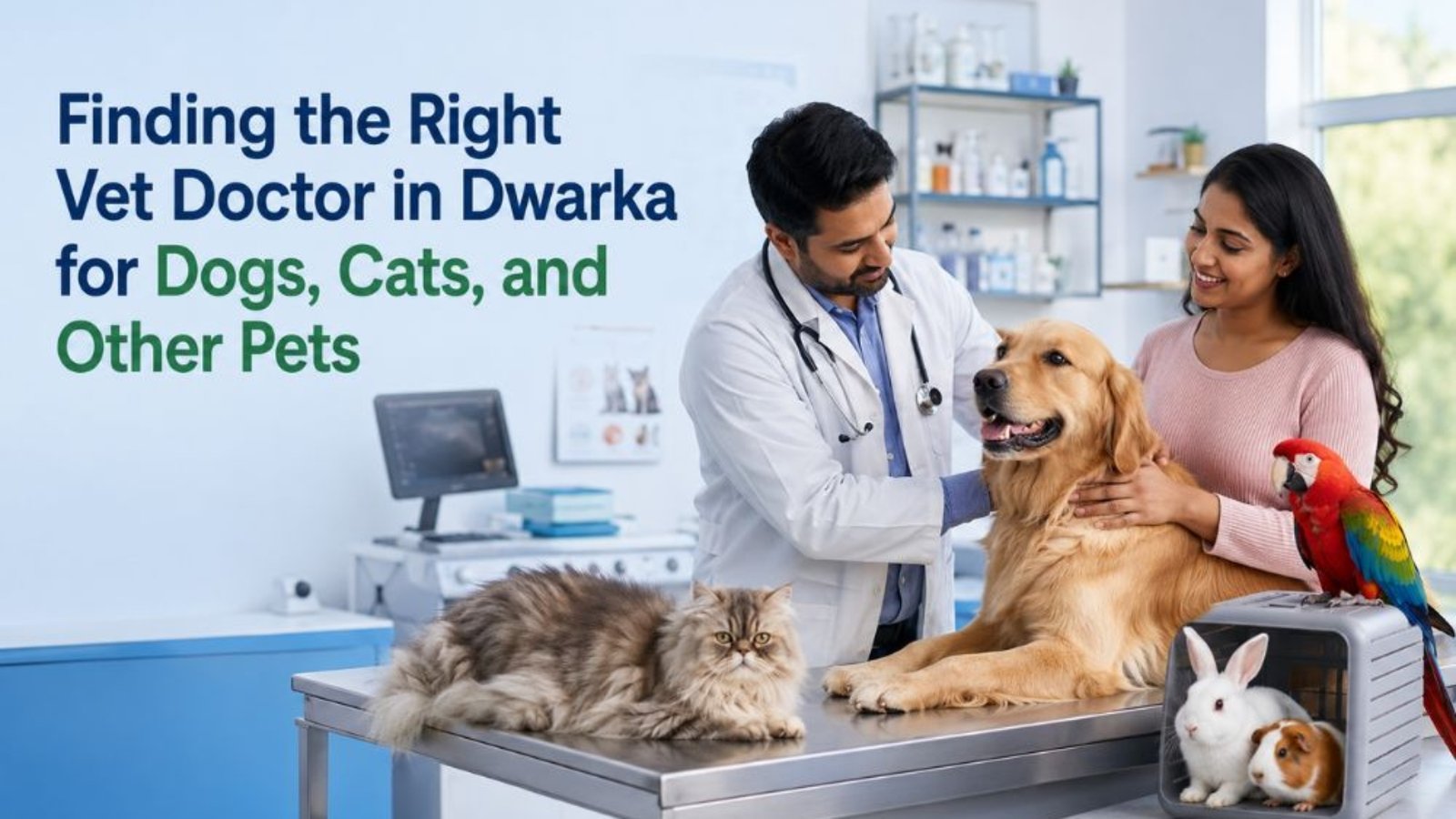
Finding the Right Vet Doctor in Dwarka for Dogs, Cats, and Other Pets

Finding the Right Vet Doctor in Dwarka for Dogs, Cats, and Other Pets
Bringing a pet into your family is a long-term commitment. Whether you have a playful dog, an independent cat, a rabbit, or another small companion animal, their health and happiness depend on the care they receive throughout their lives. While good food, exercise, and love are essential, choosing the right vet doctor in Dwarka is one of the most important decisions you can make as a pet owner.

Many people begin searching for a veterinarian only when their pet becomes unwell. However, building a relationship with a trusted vet before an emergency arises makes it much easier to manage your pet’s health. Regular checkups, preventive care, and timely medical advice help pets live healthier and more comfortable lives.

At Billu & Bella, pet owners receive guidance that focuses not only on treating illnesses but also on supporting their pet’s overall well-being through every stage of life.

Why Choosing the Right Vet Matters

Every pet is different. A puppy has different healthcare needs than an adult dog, while a senior cat requires different attention than a young kitten. Birds, rabbits, and other small pets also need specialised care based on their species.

A good veterinarian understands these differences and creates a treatment plan that suits each pet individually. Instead of offering the same advice to everyone, they consider factors like age, breed, medical history, and lifestyle before recommending care.

Choosing the right vet also gives pet owners confidence. Knowing that an experienced professional understands your pet’s health history makes future visits smoother and more reassuring.

Look for Experience and Professional Knowledge

Experience plays a major role in veterinary care. While many illnesses may show similar symptoms, identifying the actual cause requires careful examination and practical knowledge.

An experienced veterinarian can assist with:

  • Routine health examinations
  • Vaccination schedules
  • Skin and coat problems
  • Digestive disorders
  • Ear and eye infections
  • Dental care
  • Nutritional advice
  • Preventive healthcare

Early diagnosis often prevents minor health concerns from developing into more serious conditions, making treatment simpler and recovery faster.

A Good Vet Focuses on Prevention

Many health problems can be avoided with regular veterinary care.

Preventive healthcare usually includes:

  • Routine wellness checkups
  • Vaccinations
  • Deworming
  • Tick and flea prevention
  • Weight monitoring
  • Nutritional guidance
  • Dental examinations

These regular visits help identify small health changes before they become major problems. Preventive care not only protects your pet’s health but also reduces the likelihood of expensive treatments later.

Gentle Handling Makes Every Visit Easier

Many pets become nervous during veterinary visits. New surroundings, unfamiliar smells, and medical examinations can make them anxious.

A compassionate veterinarian understands this and handles pets with patience and care. Calm communication and gentle handling help reduce stress for both pets and their owners.

This is especially important for:

  • Puppies and kittens
  • Senior pets
  • Rescue animals
  • Nervous or anxious pets

A positive experience encourages easier visits in the future.

Complete Veterinary Services Under One Roof

Choosing a clinic that offers multiple services saves both time and effort. It also ensures your pet receives consistent care throughout different stages of life.

Useful veterinary services often include:

  • General consultations
  • Vaccinations
  • Diagnostic testing
  • X-rays and laboratory tests
  • Skin treatment
  • Minor and major surgeries
  • Dental care
  • Emergency treatment
  • Nutritional counselling

Having these services available at one clinic allows your veterinarian to monitor your pet’s long-term health more effectively.

Emergency Care Is Always Important

Health emergencies can happen without warning. Pets may suddenly become ill, swallow harmful objects, suffer injuries, or experience breathing difficulties.

During these situations, immediate veterinary attention is critical.

Choosing a nearby vet doctor means you can access professional help quickly without wasting valuable time travelling long distances.

Even if emergencies are rare, knowing where to go provides peace of mind.

Communication Builds Trust

Good veterinary care is about more than prescribing medicines.

A trustworthy veterinarian takes time to explain:

  • The cause of the problem
  • Treatment options
  • Medication instructions
  • Recovery expectations
  • Home care recommendations
  • Preventive measures

Clear communication helps pet owners feel more confident when making healthcare decisions.

Asking questions should always be encouraged, and a good veterinarian is happy to answer them.

Regular Health Checkups Make a Difference

Many illnesses develop gradually and may not show obvious symptoms in the beginning.

Routine examinations allow veterinarians to monitor:

  • Body weight
  • Heart and lung health
  • Skin and coat condition
  • Eyes and ears
  • Teeth and gums
  • Joint movement
  • Behavioural changes

These regular assessments often reveal hidden health concerns before they become serious.

For older pets especially, routine monitoring becomes increasingly important as they age.

Consider the Clinic Environment

A clean, organised clinic reflects professionalism and attention to detail.

When visiting a veterinary clinic, notice:

  • Clean examination rooms
  • Hygienic equipment
  • Friendly staff
  • Comfortable waiting areas
  • Well-organised facilities

A welcoming environment helps both pets and owners feel more comfortable during appointments.

Building a Long-Term Relationship with Your Vet

Changing clinics frequently means different veterinarians may not fully understand your pet’s medical history.

By visiting the same veterinary clinic regularly, your vet becomes familiar with:

  • Previous illnesses
  • Vaccination records
  • Allergies
  • Dietary habits
  • Behavioural patterns
  • Ongoing medical conditions

This continuity allows for more personalised care and better decision-making throughout your pet’s life.

At Billu & Bella, building lasting relationships with pet families is an important part of providing dependable veterinary care.

Final Thoughts

Finding the right vet doctor in Dwarka is about much more than choosing the nearest clinic. It means finding a veterinary professional who combines medical expertise with compassion, clear communication, and a genuine commitment to your pet’s well-being.

From preventive healthcare and vaccinations to emergency treatment and ongoing medical support, the right veterinarian plays an essential role in helping your pet enjoy a healthy and active life.

Whether you have a dog, cat, rabbit, or another beloved companion, investing time in choosing the right veterinary care today can make a lasting difference to their future. After all, pets rely on us for every aspect of their care, and giving them access to trusted veterinary support is one of the greatest responsibilities—and rewards of being a pet owner.

Don’t miss:  Common Pet Health Problems Treated by a Vet Doctor in Dwarka

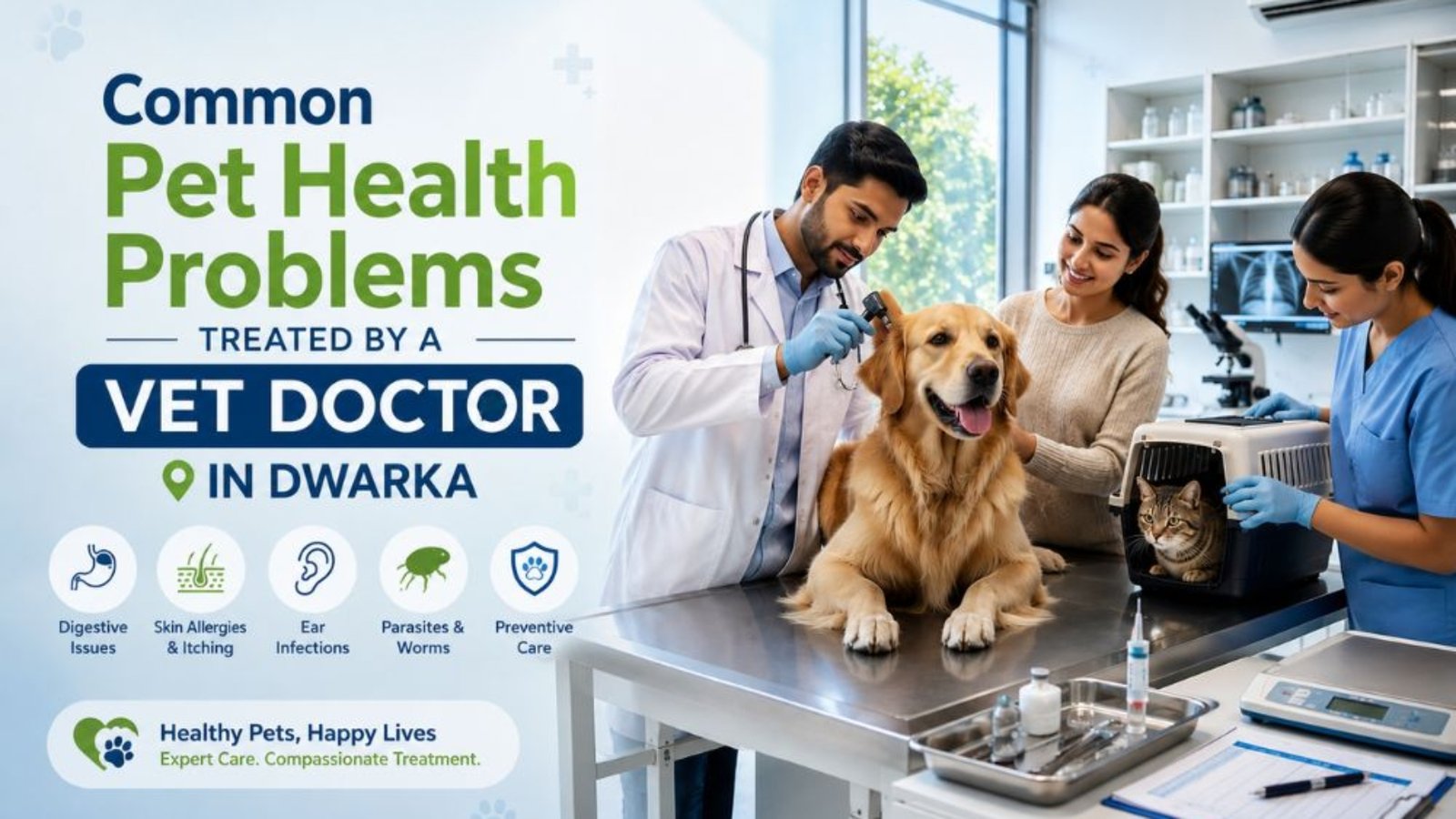
Common Pet Health Problems Treated by a Vet Doctor in Dwarka

Common Pet Health Problems Treated by a Vet Doctor in Dwarka

Pets bring unconditional love, companionship, and happiness into our lives. As pet parents, we do everything possible to keep them healthy, active, and comfortable. However, like humans, pets can also experience a variety of health problems throughout their lives. While some issues are minor and easy to treat, others require immediate medical attention from a qualified veterinarian.

Recognizing the early signs of illness and seeking timely treatment can make a significant difference in your pet’s recovery. Whether you have a playful puppy, an energetic adult dog, a curious cat, or a senior pet, regular visits to a trusted vet doctor in Dwarka help ensure they receive the care they need at every stage of life.

In this blog post, we’ll discuss some of the most common pet health problems treated by veterinarians and how early diagnosis can help your furry companion live a healthier life.

1. Digestive Problems

Digestive issues are among the most frequent reasons pet owners visit a veterinary clinic. Pets may experience stomach problems after eating spoiled food, consuming foreign objects, sudden dietary changes, or due to infections.

Common symptoms include:

  • Vomiting
  • Diarrhea
  • Loss of appetite
  • Abdominal pain
  • Excessive drooling
  • Constipation

While occasional stomach upset may resolve quickly, persistent digestive problems should never be ignored, as they can lead to dehydration and other complications.

2. Skin Allergies and Itching

Skin conditions are another common concern for both dogs and cats.

Pets may develop allergies due to:

  • Food ingredients
  • Flea bites
  • Dust mites
  • Pollen
  • Environmental allergens
  • Fungal or bacterial infections

Signs to watch for include:

  • Constant scratching
  • Hair loss
  • Redness
  • Skin rashes
  • Ear infections
  • Excessive licking

Early treatment helps prevent infections and provides relief from discomfort.

3. Ear Infections

Ear infections are especially common in dogs with floppy ears, although cats can also develop ear-related problems.

Symptoms often include:

  • Head shaking
  • Bad odor from the ears
  • Scratching around the ears
  • Redness
  • Discharge
  • Pain when touched

Without treatment, ear infections may worsen and even affect hearing.

4. Parasites and Worm Infestations

Internal and external parasites can affect pets of all ages.

Common parasites include:

  • Fleas
  • Ticks
  • Roundworms
  • Hookworms
  • Tapeworms
  • Mites

Parasites may cause:

  • Weight loss
  • Itching
  • Weakness
  • Skin irritation
  • Digestive issues
  • Anemia

Regular deworming and parasite prevention recommended by a veterinarian help keep pets healthy throughout the year.

5. Vaccination and Preventive Healthcare

Preventive healthcare is one of the most important services provided by a veterinary doctor.

Routine vaccinations protect pets against serious diseases such as:

  • Rabies
  • Canine Distemper
  • Parvovirus
  • Feline Panleukopenia
  • Calicivirus

Regular wellness examinations also allow veterinarians to monitor your pet’s growth, nutrition, and overall health.

6. Dental Problems

Many pet owners overlook oral health until their pet begins showing signs of pain.

Common dental issues include:

  • Bad breath
  • Gum disease
  • Plaque buildup
  • Tooth infections
  • Broken teeth
  • Difficulty chewing

Poor dental hygiene can also affect the heart, kidneys, and other organs if left untreated.

Routine dental examinations and professional cleaning play an important role in maintaining your pet’s health.

7. Urinary Tract Problems

Urinary issues require prompt veterinary attention.

Watch for symptoms such as:

  • Frequent urination
  • Difficulty urinating
  • Blood in urine
  • Excessive licking
  • Accidents inside the house

Urinary tract infections, bladder stones, and kidney disease are common conditions that veterinarians diagnose and treat.

Delaying treatment can lead to serious complications.

8. Joint Pain and Arthritis

As pets grow older, they may experience reduced mobility due to arthritis or joint disorders.

Common signs include:

  • Difficulty standing
  • Limping
  • Reluctance to climb stairs
  • Reduced activity
  • Stiffness after resting

Early diagnosis allows veterinarians to recommend treatments that improve mobility and reduce discomfort.

9. Eye Problems

Healthy vision is essential for your pet’s quality of life.

Veterinarians commonly treat:

  • Eye infections
  • Dry eyes
  • Cataracts
  • Corneal injuries
  • Excessive tearing
  • Redness

Any sudden changes in your pet’s eyes should be examined as soon as possible to prevent long-term damage.

10. Emergency Injuries and Accidents

Unexpected emergencies can occur at any time.

Common emergency cases include:

  • Road accidents
  • Bite wounds
  • Poisoning
  • Fractures
  • Heatstroke
  • Severe bleeding
  • Difficulty breathing

Immediate veterinary care often makes the difference between a quick recovery and a life-threatening situation.

Why Regular Health Check-ups Matter

Many illnesses begin with subtle symptoms that are easy to overlook. Routine veterinary visits help identify health problems before they become serious.

During regular check-ups, a veterinarian evaluates:

  • Weight
  • Heart and lung function
  • Skin and coat
  • Teeth and gums
  • Eyes and ears
  • Nutrition
  • Behaviour
  • Vaccination status

Preventive care not only improves your pet’s quality of life but can also reduce future medical expenses by detecting diseases early.

Tips for Keeping Your Pet Healthy

While veterinary care is essential, pet owners also play an important role in maintaining their pet’s health.

Some simple habits include:

  • Feed a balanced and nutritious diet.
  • Provide fresh, clean drinking water.
  • Follow your veterinarian’s vaccination schedule.
  • Keep up with regular deworming and parasite prevention.
  • Exercise your pet daily.
  • Maintain proper dental hygiene.
  • Schedule routine health check-ups.
  • Watch for changes in appetite, behaviour, or activity levels.

These small steps can go a long way in preventing common illnesses.

Compassionate Veterinary Care at Billu and Bella

At Billu and Bella, we understand that every pet deserves personalized, compassionate, and professional healthcare. Our experienced veterinary team provides comprehensive medical services, from routine wellness exams and vaccinations to diagnosing and treating a wide range of common pet health conditions.

Whether your pet is experiencing digestive issues, skin allergies, infections, joint pain, or requires preventive care, we focus on accurate diagnosis and tailored treatment plans to support their long-term health. We are committed to creating a comfortable environment where both pets and their owners feel confident and cared for.

Final Thoughts

Pets rely on us to recognize when something isn’t right. By understanding the common health problems they may face and seeking timely treatment from a trusted vet doctor in Dwarka, you can help your furry companion enjoy a healthier, happier, and longer life.

Regular veterinary check-ups, preventive care, vaccinations, and prompt medical attention are the keys to maintaining your pet’s overall well-being. Choosing an experienced veterinary team ensures your beloved companion receives the care they deserve at every stage of life, giving you peace of mind and helping your pet thrive for years to come.

Don’t miss: The Importance of Vaccinations at a Veterinary Clinic in Dwarka

How to Choose the Best Pet Clinic in Dwarka for Your Beloved Pet

How to Choose the Best Pet Clinic in Dwarka for Your Beloved Pet

As a pet parent, your furry companion is more than just an animal they are a cherished member of your family. Whether you have a playful puppy, a curious kitten, or a senior pet that needs regular medical attention, choosing the right veterinary clinic plays an important role in their overall health and happiness.

With several options available, finding the best pet clinic in Dwarka can feel overwhelming. Every clinic may offer different services, facilities, and levels of expertise. Instead of making a decision based only on location or cost, it is important to look at the quality of care your pet will receive.

In this blog, we’ll explore the essential factors every pet owner should consider before selecting a trusted veterinary clinic for their beloved companion.

1. Check the Experience and Qualifications of the Veterinary Team

The first thing to evaluate is the experience of the veterinarians and support staff. A qualified veterinary doctor understands not only common illnesses but also preventive healthcare, nutrition, vaccinations, surgery, and emergency treatment.

Experienced veterinarians can identify health issues at an early stage, helping your pet receive timely treatment before the condition becomes serious.

When visiting a clinic, don’t hesitate to ask about:

  • Veterinary qualifications
  • Years of experience
  • Areas of specialization
  • Experience with your pet’s breed or species

A knowledgeable veterinary team provides confidence and peace of mind during every visit.

2. Look for Comprehensive Veterinary Services

A reliable pet clinic should provide complete healthcare under one roof. This saves time and ensures continuity of care throughout your pet’s life.

Some important services include:

  • General health check-ups
  • Vaccination programs
  • Deworming
  • Parasite control
  • Diagnostic tests
  • Surgery
  • Dental care
  • Nutritional counseling
  • Skin and ear treatment
  • Emergency medical care
  • Senior pet care

Having access to multiple services at one clinic makes long-term healthcare much more convenient.

3. Hygiene and Cleanliness Matter

Cleanliness is one of the strongest indicators of a professional veterinary clinic.

Pay attention to:

  • Clean examination rooms
  • Sanitized equipment
  • Odor-free waiting areas
  • Organized treatment spaces
  • Proper waste disposal

A hygienic clinic minimizes the risk of infections and creates a safer environment for pets and their owners.

4. Observe How the Staff Treats Animals

Medical expertise is important, but compassion is equally valuable.

Notice how the doctors and staff interact with pets. They should remain calm, patient, and gentle, especially when handling nervous or anxious animals.

A caring veterinary team helps reduce stress during examinations and builds trust with both pets and owners.

Small gestures like speaking softly, offering reassurance, and handling pets comfortably often make a significant difference.

5. Availability of Emergency Care

Medical emergencies can happen unexpectedly.

Your pet may suddenly experience:

  • Difficulty breathing
  • Accidents
  • Poisoning
  • Severe vomiting
  • Seizures
  • High fever
  • Injuries

Choosing a clinic that offers emergency treatment or quick medical assistance ensures your pet receives immediate care when every minute matters.

6. Modern Diagnostic Facilities

Accurate diagnosis leads to effective treatment.

A well-equipped veterinary clinic should have access to modern diagnostic tools such as:

  • Digital X-rays
  • Blood testing
  • Urine analysis
  • Ultrasound
  • Laboratory testing

These facilities help veterinarians diagnose diseases more accurately and begin treatment without unnecessary delays.

7. Read Reviews from Other Pet Owners

Online reviews can provide useful insights into the quality of care a clinic offers.

Look for comments about:

  • Doctor’s behavior
  • Treatment quality
  • Staff friendliness
  • Waiting time
  • Clinic cleanliness
  • Emergency response
  • Overall experience

While every business may receive occasional negative feedback, consistently positive reviews usually indicate trustworthy service.

You can also ask friends, neighbors, or fellow pet owners in Dwarka for recommendations.

8. Transparent Communication

Good veterinarians believe in educating pet owners rather than simply prescribing medicines.

A trustworthy doctor should explain:

  • Your pet’s condition
  • Available treatment options
  • Medication usage
  • Possible side effects
  • Recovery timeline
  • Preventive care recommendations

Clear communication allows you to make informed decisions regarding your pet’s health.

9. Comfortable Environment for Pets

Many pets become anxious during clinic visits.

A pet-friendly clinic should provide:

  • Comfortable waiting areas
  • Calm surroundings
  • Organized appointments
  • Friendly staff
  • Minimal waiting time

Reducing stress improves the overall experience for both pets and owners.

10. Focus on Preventive Healthcare

Preventive care includes:

  • Regular health check-ups
  • Vaccination schedules
  • Weight monitoring
  • Nutritional guidance
  • Dental examinations
  • Tick and flea prevention
  • Annual wellness exams

Routine care helps detect health issues early, often reducing treatment costs and improving long-term health.

Why Choosing the Right Pet Clinic Makes a Difference

Selecting the right veterinary clinic is a long-term investment in your pet’s wellbeing.

A trusted veterinarian becomes familiar with your pet’s medical history, behavior, allergies, and healthcare needs over the years. This continuity leads to better diagnosis, personalized treatment plans, and more effective preventive care.

Rather than changing clinics frequently, building a lasting relationship with a dependable veterinary team ensures consistent care throughout every stage of your pet’s life.

Caring for Every Stage of Your Pet’s Journey

Whether you’re welcoming a new puppy into your home or caring for an aging companion, your pet’s healthcare needs will evolve over time. Regular veterinary visits help monitor growth, detect illnesses early, and ensure your furry friend enjoys a healthy, active life.

From routine vaccinations and wellness exams to advanced treatments and emergency care, choosing the right clinic means you’ll always have expert guidance whenever your pet needs it.

Trust Billu and Bella for Compassionate Pet Care

Finding a dependable pet clinic isn’t just about medical treatment—it’s about choosing a team that genuinely cares for your pet’s wellbeing. At Billu and Bella, we understand the special bond between pets and their families. Our focus is on providing compassionate veterinary care, preventive health services, accurate diagnosis, and personalized treatment to help pets live healthier and happier lives.

Whether your companion needs a routine health check-up, vaccination, medical consultation, or specialized treatment, our experienced veterinary professionals are committed to delivering quality care with kindness and attention.

Final Thoughts

Choosing the best pet clinic in Dwarka requires more than comparing prices or selecting the nearest location. Experience, compassionate care, hygiene, modern facilities, preventive healthcare, and transparent communication all contribute to your pet’s overall wellbeing.

Taking the time to research and visit a clinic before making your decision can make a lasting difference in your pet’s health. After all, they rely on you for every aspect of their care, and selecting the right veterinary partner is one of the most important decisions you’ll make as a responsible pet owner.

Don’t miss: Pet Skin Problems Treated at a Veterinary Clinic in Dwarka

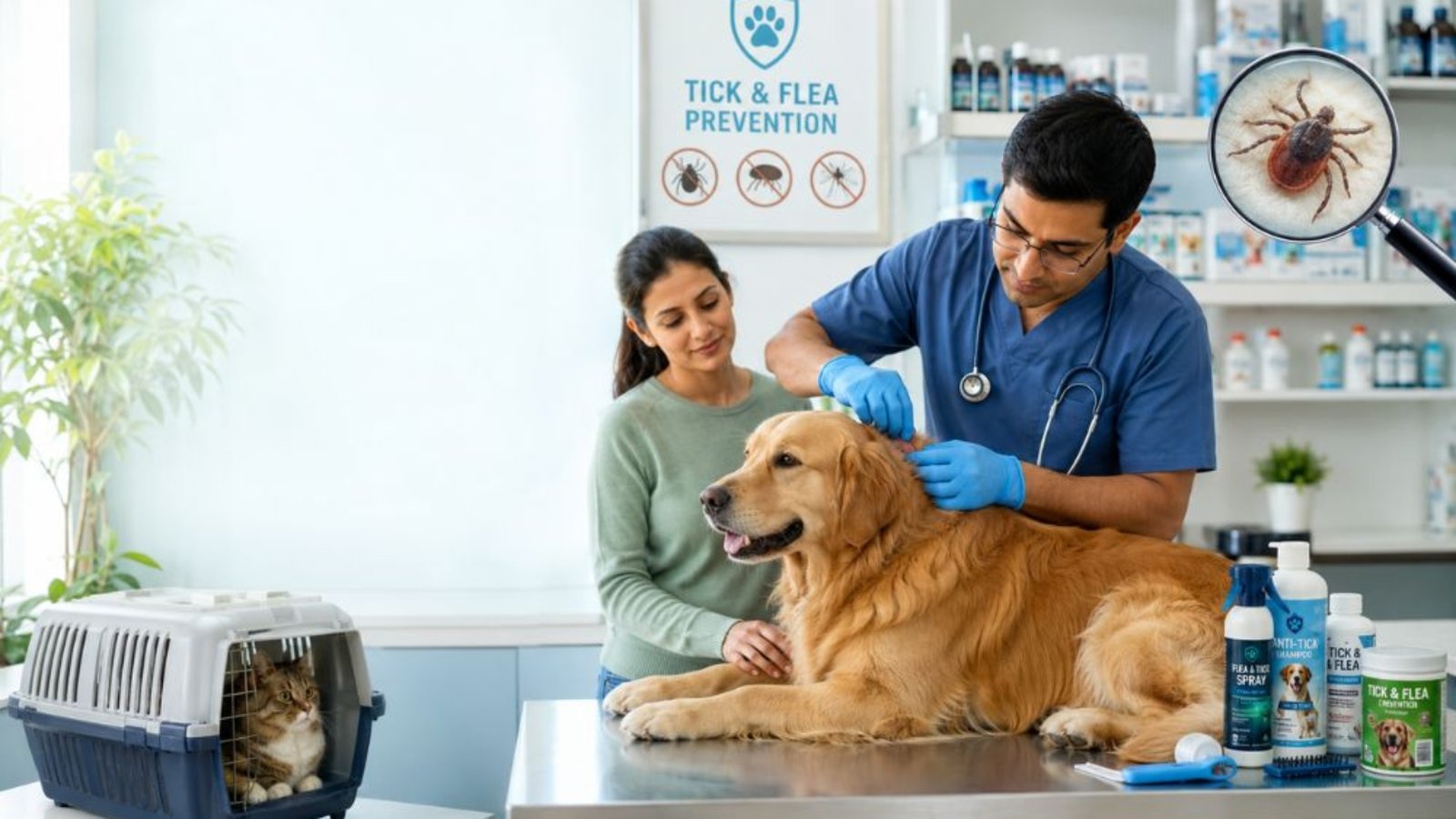
How a Veterinary Clinic in Dwarka Helps with Tick and Flea Prevention

How a Veterinary Clinic in Dwarka Helps with Tick and Flea Prevention

For many pet owners, seeing their dog or cat scratching all the time feels normal at first. Sometimes we think it’s because of dust, weather, or just a small irritation. But often, the real reason is ticks and fleas one of the most common problems pets face.

At first, it may look like a small issue. A little scratching, some biting near the tail, or slight redness on the skin. If left untreated, these small parasites can cause serious irritation and lead to bigger health issues for your pet.

That’s why regular visits to a trusted veterinary clinic in Dwarka are important. Tick and flea prevention is not just about treating the problem after it starts it’s about stopping it before it becomes worse.

At Billu & Bella, many pet owners come in with pets facing tick issues, especially during warm and humid months. And honestly, most of them wish they had started prevention earlier.

Let’s understand how proper veterinary care helps.

Why Ticks and Fleas Are More Dangerous Than They Look

Most people think ticks are just insects that make pets itchy.

But the reality is very different.

Ticks survive by feeding on your pet’s blood. Fleas do the same. And while doing this, they can spread infections, weaken your pet, and damage their skin.

Common problems caused by ticks and fleas include:

  • Constant itching
  • Skin allergies
  • Hair loss
  • Infection in bite areas
  • Weakness due to blood loss
  • Fever in severe cases

In puppies and kittens, the problem can become serious much faster because their immunity is still weak.

That’s why prevention matters.

Early Detection Makes a Huge Difference

One of the biggest benefits of visiting a veterinary clinic in Dwarka is early detection.

Many pet owners don’t notice ticks immediately.

Why?

Because ticks often hide in places like:

  • Behind the ears
  • Under the collar
  • Between the toes
  • Near the tail
  • Under the legs

Especially in long-haired dogs, they can stay hidden for days.

During regular health checks, vets can spot these early signs before the infestation spreads.

This saves your pet from discomfort and makes treatment easier.

Proper Skin Examination Helps Find the Root Problem

Not all scratching means ticks.

Sometimes it could be:

  • Fleas
  • Fungal infection
  • Allergy
  • Dry skin
  • Food reaction

That’s why guessing at home is risky.

A professional skin examination helps identify the exact cause.

At Billu & Bella, pets are checked carefully to understand whether the irritation is caused by ticks, fleas, or something else. This helps in giving the right treatment instead of trying random products.

Because the wrong product often wastes time and makes the skin worse.

Anti-Tick Treatments That Actually Work

A reliable veterinary clinic in Dwarka usually offers multiple treatment options based on how serious the infestation is.

Every pet is different, so treatment should also be different.

Some common treatments include:

Medicated Tick Baths

These baths help kill active ticks and clean the coat properly.

They’re useful when the infestation is still mild.

Spot-On Solutions

They work for several weeks and are often used as preventive care.

Many pet owners prefer this because it’s simple and effective.

Oral Tick Medicines

For heavy tick problems, vets may suggest oral medicines.

These often work faster and control the infestation from inside.

Tick Powders and Sprays

These help provide extra protection, especially for pets that spend time outdoors.

Using the right combination matters more than using too many products.

Prevention Is Always Better Than Removal

Once ticks spread heavily, removing them becomes stressful.

Not just for the pet, but for the owner too.

That’s why vets focus on prevention.

A proper prevention plan may include:

  • Monthly anti-tick treatments
  • Regular grooming
  • Tick checks after walks
  • Seasonal protection
  • Skin health monitoring

This routine reduces the risk of infestation.

And honestly, it’s much easier to prevent than to cure.

Grooming Helps Reduce Tick Problems

Many pet owners underestimate grooming.

Brushing regularly helps because:

  • You can spot ticks early
  • Fur stays cleaner
  • Skin gets proper airflow
  • Hidden parasites become visible

Long-haired breeds especially need regular brushing.

Matted fur can hide ticks very easily.

At Billu & Bella, many pet parents are also guided on how often grooming should be done depending on their pet’s breed and coat type.

That small guidance often makes a big difference.

Home Cleaning Is Part of Tick Prevention Too

Treating your pet alone is not enough.

This is something many owners realize too late.

Ticks and fleas can live in:

  • Pet bedding
  • Sofa corners
  • Carpets
  • Floor gaps
  • Blankets

This means even if your pet gets treated, they can get infected again from the environment.

A vet usually advises proper cleaning like:

  • Washing bedding in hot water
  • Vacuuming carpets
  • Cleaning sleeping areas
  • Using pet-safe disinfectants

Keeping the house clean supports long-term prevention.

Seasonal Tick Protection Is Important

In Delhi, tick problems often increase during:

Summer

Heat increases parasite activity.

Monsoon

Humidity creates perfect conditions for ticks and fleas.

Early Winter

Some ticks still remain active.

This is why many vets recommend year-round prevention rather than waiting for visible symptoms.

Consistent care gives better protection.

Puppies and Kittens Need Extra Attention

Young pets are much more sensitive to ticks.

A few ticks may not look serious, but for newborn or young pets, it can affect:

  • Energy levels
  • Growth
  • Feeding habits
  • Immunity

Using random anti-tick products on puppies and kittens can also be dangerous.

Their skin is delicate.

That’s why treatment should always be guided by an experienced vet.

This keeps them safe while treating the issue properly.

Why Local Veterinary Support Matters

Online products are easy to order, but not every product suits every pet.

Some pets may have:

  • Sensitive skin
  • Existing allergies
  • Weak immunity
  • Age restrictions

A local veterinary clinic in Dwarka understands common seasonal issues and local environmental risks much better.

That practical experience helps in choosing the safest and most effective treatment.

And when problems return, support is easily available.

That’s a big advantage.

Final Thoughts

Ticks and fleas may seem like a small problem in the beginning, but they can quickly turn into serious discomfort for your pet if ignored.

Constant itching, skin damage, infection, and weakness are just some of the problems they can cause.

The good thing is that with regular checkups, proper grooming, and timely prevention, these issues can be controlled easily.

At Billu & Bella, tick and flea prevention is taken seriously because healthy skin means a healthier pet. With proper guidance, safe treatments, and preventive care, pets can stay comfortable, active, and protected throughout the year.

Because in the end, keeping your pet healthy is not only about treating sickness it’s about preventing problems before they begin.

Don’t miss: Why Newborn Pets Need Special Care at a Pet Clinic in Dwarka