Choosing a Pet Clinic in Dwarka for Preventive, Diagnostic, and Emergency Care

Choosing a Pet Clinic in Dwarka for Preventive, Diagnostic, and Emergency Care

Choosing the right veterinary facility for your pet is an important decision. Dogs, cats, and other pets need proper healthcare throughout different stages of their lives. A pet may need regular checkups and vaccinations when healthy, diagnostic tests when unusual symptoms appear, and immediate medical attention during an emergency.

For this reason, choosing a clinic should not be based only on how close it is to your home. The experience of the veterinary team, available facilities, range of services, cleanliness, diagnostic support, and emergency care options should all be considered.

If you are looking for a pet clinic in Dwarka, it is helpful to choose a place that can support your pet’s routine healthcare as well as unexpected medical needs.

Why Preventive Care Matters for Your Pet

Preventive care is one of the most important parts of maintaining your pet’s long-term health. Instead of waiting until your dog or cat becomes sick, regular veterinary visits can help monitor their overall condition and identify possible concerns early.

During preventive visits, the veterinarian may check your pet’s weight, skin and coat, eyes, ears, teeth, heart, and general physical condition. These appointments also give pet owners an opportunity to discuss changes in appetite, behaviour, activity, or sleeping habits.

Preventive pet care may include:

  • Regular health checkups
  • Vaccinations and booster doses
  • Deworming
  • Tick and flea prevention
  • Weight management
  • Nutritional guidance
  • Dental checkups
  • Senior pet health monitoring

Every pet has different needs. A young puppy may need regular vaccination and growth monitoring, while an older dog may require more frequent health assessments. A good veterinary team considers factors such as age, breed, lifestyle, and medical history when providing guidance.

Check the Diagnostic Facilities Available

Sometimes a physical examination alone may not provide enough information about your pet’s health problem. When a pet has symptoms such as weakness, vomiting, loss of appetite, unusual behaviour, pain, or other concerns, the veterinarian may recommend diagnostic tests.

Depending on the facility, diagnostic services may include:

  • Blood tests
  • Urine analysis
  • X-rays
  • Ultrasound
  • Laboratory testing
  • Skin and parasite testing

Diagnostic facilities can help the veterinarian understand the possible cause of a problem and decide on the next steps for treatment.

Before choosing a clinic, it is useful to ask what diagnostic services are available. You can also ask whether certain tests are performed at the clinic or whether your pet may need to be referred elsewhere.

Clear communication is important. The veterinarian should explain why a test is being recommended and how it may help in understanding your pet’s condition.

Emergency Care Should Not Be Ignored

Pet emergencies can happen suddenly. A healthy pet may become seriously unwell without much warning, or an accident may require immediate medical attention.

Situations such as severe injuries, breathing difficulties, seizures, suspected poisoning, sudden collapse, or serious vomiting and diarrhoea may require urgent veterinary care.

Before choosing a regular clinic, ask about:

  • Emergency consultation availability
  • Regular clinic hours
  • Support for urgent cases
  • After-hours care options
  • Referral arrangements for critical cases

Not every veterinary facility provides 24-hour emergency services. Knowing where to go during an emergency before one actually happens can save valuable time and reduce stress.

Consider the Experience of the Veterinary Team

Facilities and equipment are important, but the veterinary professionals caring for your pet are equally important. A good veterinarian should have the knowledge and experience to examine pets carefully and understand their individual healthcare needs.

During a consultation, the veterinary team should take time to understand your concerns. They may ask questions about your pet’s diet, behaviour, previous illnesses, medications, lifestyle, and vaccination history.

A reliable veterinary team may provide support for:

  • Routine consultations
  • Preventive healthcare
  • Vaccinations
  • Skin and coat concerns
  • Digestive problems
  • Ear and eye issues
  • Dental care
  • Nutritional guidance
  • Diagnostic testing
  • Treatment and follow-up care

It is also important to feel comfortable asking questions. Pet owners should understand what is happening and how to care for their pet after the consultation.

Look at Cleanliness and the Clinic Environment

The environment of a veterinary clinic can affect both safety and comfort. Pets often become nervous when visiting unfamiliar places, so a clean and organised environment can make the experience easier.

When you visit a facility, observe:

  • Clean examination rooms
  • Organised treatment areas
  • Well-maintained equipment
  • Comfortable waiting spaces
  • General hygiene practices
  • How different animals are managed

The way staff members interact with animals also matters. Nervous pets should be handled with patience and care whenever possible.

Dogs and cats can react differently to unfamiliar environments. A calm approach may help reduce stress and make future visits easier.

Choose a Clinic That Communicates Clearly

Good veterinary care involves more than simply giving medicines. Pet owners should receive clear information about their pet’s condition and understand the recommended treatment.

A good veterinarian should explain:

  • The possible cause of the problem
  • Recommended tests
  • Available treatment options
  • How to give medicines
  • Home-care instructions
  • Follow-up requirements
  • Signs that may require further attention

Clear communication helps prevent confusion and allows pet parents to make informed decisions.

At Billu and Bella, pet care focuses on understanding the individual needs of each animal and providing professional guidance for their overall health and well-being.

Think About Your Pet’s Long-Term Healthcare

Your pet’s needs will change as they grow. Puppies and kittens need care during their early development, adult pets require regular preventive healthcare, and senior pets may need closer health monitoring.

Choosing a reliable clinic for long-term care can help maintain a complete medical history. Over time, the veterinary team may become familiar with your pet’s previous illnesses, allergies, vaccination records, medications, and health patterns.

This can make future consultations easier because the veterinary team already has a better understanding of your pet’s healthcare background.

Final Thoughts

Choosing the right veterinary facility is about finding support for both routine and unexpected healthcare needs. Preventive care helps maintain your pet’s overall health, diagnostic services help investigate medical concerns, and emergency planning ensures you know where to seek help during urgent situations.

Before making a decision, take time to evaluate the veterinary team’s experience, available services, diagnostic support, hygiene, communication, and emergency care arrangements.

The right clinic can become a valuable part of your pet’s healthcare journey, providing guidance and support as their needs change throughout life.

Don’t miss: Pet Skin Problems Treated at a Veterinary Clinic in Dwarka
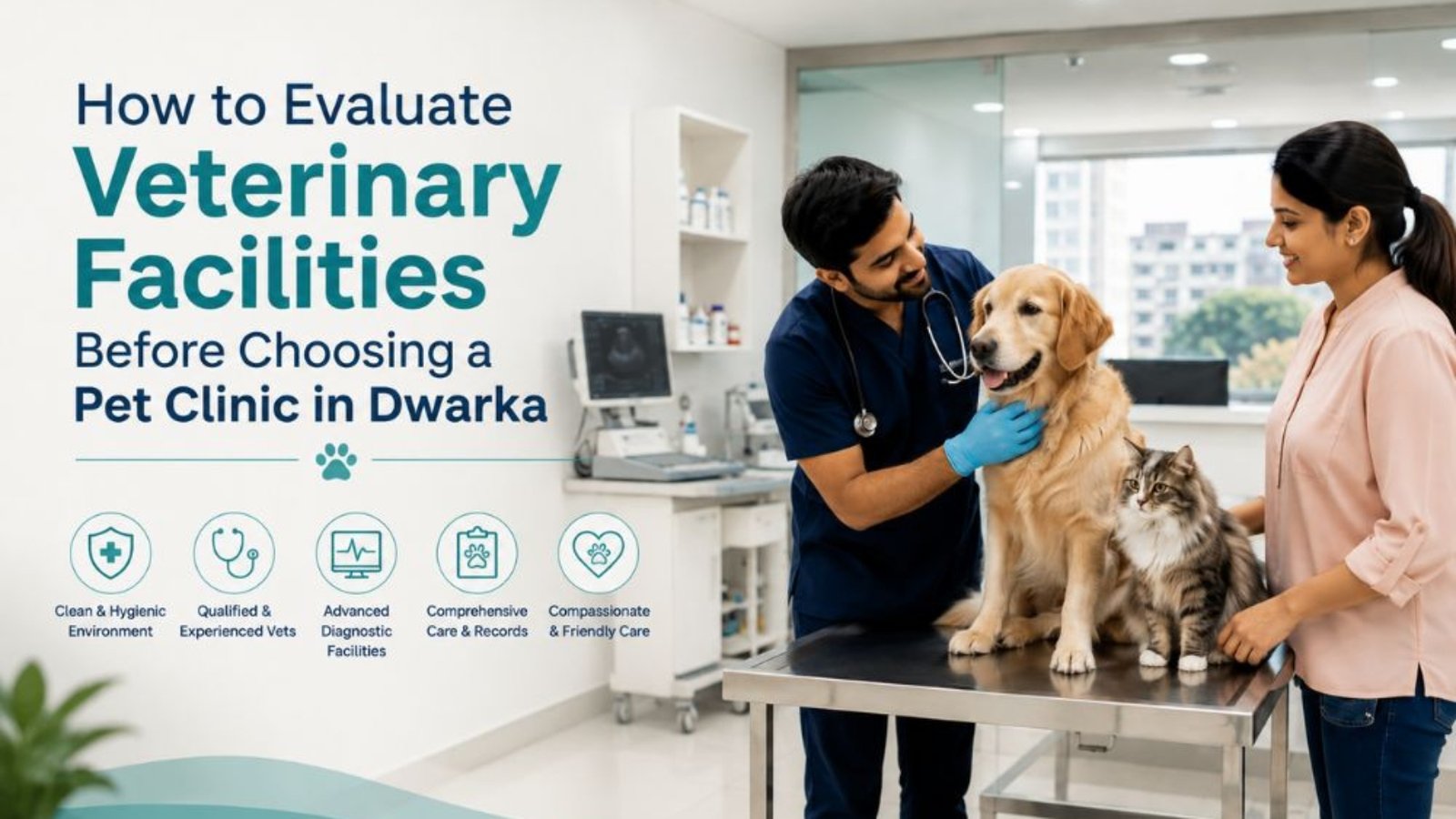
How to Evaluate Veterinary Facilities Before Choosing a Pet Clinic in Dwarka

How to Evaluate Veterinary Facilities Before Choosing a Pet Clinic in Dwarka

Choosing the right veterinary facility is an important decision for every pet owner. Your pet may need more than treatment when they become unwell. Regular health checkups, vaccinations, diagnostic tests, preventive care, and timely medical attention can all play an important role in maintaining their overall well-being.

With several veterinary facilities available, selecting one based only on distance or consultation fees may not always be the right approach. The experience of the veterinary team, cleanliness of the clinic, available services, diagnostic facilities, and the way pets are handled are all important factors to consider.

If you are looking for a pet clinic in Dwarka, evaluating these facilities carefully can help you make a better decision for your pet’s long-term healthcare needs.

Check the Experience of the Veterinary Team

The quality of veterinary care depends greatly on the experience and approach of the professionals treating your pet. A qualified veterinarian should be able to understand common health concerns while also providing guidance on preventive healthcare.

During your visit, observe whether the veterinarian listens carefully to your concerns and asks questions about your pet’s health history, behaviour, diet, and lifestyle. Good communication can make it easier to understand what may be affecting your pet and what steps are recommended next.

An experienced veterinary team may assist with different areas of pet healthcare, including:

  • Routine health examinations
  • Vaccinations
  • Deworming
  • Tick and flea prevention
  • Skin and coat concerns
  • Digestive problems
  • Ear and eye issues
  • Dental care
  • Nutritional guidance
  • Preventive healthcare

Experience is important, but patience and compassionate handling also matter when caring for animals.

Look at the Range of Services Available

Your pet’s healthcare needs will change as they grow. Puppies and kittens require regular monitoring and vaccinations, while adult pets benefit from preventive checkups. Senior pets may need additional attention for age-related changes.

Before choosing a veterinary facility, check whether it provides a suitable range of services. Depending on the clinic, these may include:

  • General veterinary consultations
  • Vaccinations and booster schedules
  • Diagnostic testing
  • Blood and urine analysis
  • X-rays and other imaging
  • Skin and ear treatment
  • Dental care
  • Surgical procedures
  • Nutritional counselling
  • Emergency or urgent care

Access to different services in one place can make long-term healthcare more convenient. It can also help the veterinary team maintain a clearer understanding of your pet’s medical history.

Evaluate Cleanliness and Hygiene

Cleanliness is an important factor in every healthcare environment. Veterinary facilities receive many animals throughout the day, so proper hygiene and organisation should be taken seriously.

When you visit a clinic, look at the reception area, examination rooms, treatment spaces, and general surroundings. Check whether the environment appears clean and organised.

You may also consider:

  • The cleanliness of examination tables
  • The condition of medical equipment
  • General organisation of treatment areas
  • Appropriate waste disposal
  • The overall comfort of the waiting area

A clean and well-maintained environment can help create a more comfortable experience for both pets and their owners.

Check the Diagnostic Facilities

Some pet health problems can be identified through a routine physical examination, while others require diagnostic testing to understand the possible cause.

Depending on the facility, useful diagnostic support may include:

  • Blood tests
  • Urine analysis
  • Digital X-rays
  • Ultrasound
  • Laboratory investigations
  • Microscopic examinations

Diagnostic facilities can help veterinarians investigate symptoms more thoroughly. However, equipment alone is not enough. The experience and clinical judgement needed to interpret test results are equally important.

A good veterinarian should explain why a particular test is recommended and how the results may help guide your pet’s treatment.

Observe How Pets Are Treated

A veterinary clinic should be a place where pets are handled with patience and appropriate care. Dogs and cats can become anxious in unfamiliar surroundings, especially when they are already feeling unwell.

During your visit, observe how the staff approach animals. Look for a team that remains calm and tries to make nervous pets feel more comfortable.

Important signs may include:

  • Gentle and careful handling
  • Patience with anxious pets
  • Calm communication
  • Attention to safety
  • Respect for the pet’s behaviour and comfort

The way a pet is treated can affect how comfortable they feel during future visits.

Ask About Emergency and Urgent Care

Pet emergencies can happen unexpectedly. Injuries, sudden weakness, breathing difficulties, severe vomiting, or other serious symptoms may require immediate veterinary attention.

Before selecting a regular veterinary facility, ask about emergency support. You may want to know:

  • The clinic’s regular working hours
  • Whether urgent cases are accepted
  • What happens after regular hours
  • Whether emergency treatment is available
  • If referrals are provided for advanced care

Not every clinic offers 24-hour services, so understanding the available options before an emergency occurs can help you act more quickly when your pet needs urgent care.

Consider Communication and Transparency

Clear communication is an important part of a positive veterinary experience. Pet owners should understand their pet’s health condition and know how to follow treatment instructions at home.

A reliable veterinary professional should explain:

  • The possible cause of the problem
  • Recommended tests
  • Available treatment options
  • How to give prescribed medication
  • Expected recovery
  • Follow-up requirements
  • Warning signs to watch for

You should feel comfortable asking questions whenever something is unclear. Good communication helps pet owners make informed decisions about their companion’s healthcare.

Read Reviews but Make Your Own Assessment

You may find comments about staff behaviour, cleanliness, communication, appointment management, and general service.

However, reviews should only be one part of your decision. Individual experiences can differ, and online ratings do not always provide a complete picture.

If possible, visit the facility yourself and observe the environment. You can also ask other pet parents about their experiences before making a final decision.

Choose a Clinic for Long-Term Pet Care

Your pet’s healthcare needs will continue to change throughout their life. Having a consistent veterinary team can make it easier to maintain health records and monitor changes over time.

At Billu and Bella, the focus is on providing professional veterinary guidance and compassionate care based on the individual needs of each pet. A long-term relationship with a trusted veterinary team can help pet owners manage routine healthcare and seek timely support when new concerns arise.

Final Thoughts

Choosing the right veterinary facility involves more than finding the closest clinic. Take time to consider the experience of the veterinary team, cleanliness, available services, diagnostic support, emergency arrangements, communication, and the way animals are handled.

The right facility should make you feel comfortable discussing your pet’s health and confident that your concerns are being heard. By evaluating these factors before making a decision, you can choose a place that supports your pet’s healthcare needs at different stages of life.

A thoughtful choice today can help you build a reliable healthcare relationship for your pet’s routine checkups, preventive care, diagnosis, and treatment.

Don’t miss: Common Pet Health Problems Treated by a Vet Doctor in Dwarka

Why Building a Long-Term Relationship with a Vet Doctor in Dwarka Matters

Why Building a Long-Term Relationship with a Vet Doctor in Dwarka Matters

Pets become an important part of everyday life. From a playful puppy waiting at the door to a cat curling up beside you after a long day, they bring companionship and comfort into the home. As a pet parent, you are responsible for making decisions that support their health throughout every stage of life. One of the most valuable decisions you can make is finding a veterinarian you trust and continuing your pet’s care with the same professional whenever possible.

Many pet owners visit different clinics depending on convenience or only search for a veterinarian when their pet suddenly becomes sick. While occasional changes may be necessary, having a regular veterinary professional can offer several advantages. A long-term relationship allows the doctor to understand your pet beyond a single consultation and build a clearer picture of their overall health.

Choosing a reliable vet doctor in Dwarka and maintaining a consistent relationship can make routine care, diagnosis, treatment, and long-term health management easier for both pets and their owners.

Your Vet Gets to Know Your Pet’s Complete Health History

One of the biggest benefits of visiting the same veterinarian is continuity of care. Over time, your vet becomes familiar with your pet’s medical background, previous illnesses, vaccination records, allergies, treatments, and other important health details.

This information can be extremely useful when a new problem develops. Instead of evaluating your pet without any background information, the veterinarian can compare the current symptoms with previous records and identify changes more effectively.

For example, a small change in body weight may not seem important during a single visit. However, when your vet has monitored your pet over several months or years, they can recognise whether that change is part of a larger pattern.

A complete health history can support better-informed decisions and more personalised care.

Small Changes Are Easier to Notice

Pets cannot explain when something feels wrong. In many cases, health problems begin with subtle changes that are easy to overlook.

Your pet may gradually become less active, lose interest in food, drink more water, gain weight, lose weight, or behave differently. A veterinarian who has seen your pet regularly has a better understanding of what is normal for them.

This familiarity can make it easier to recognise unusual changes early.

Regular health monitoring is particularly useful because some conditions may not produce obvious symptoms in their early stages. Detecting concerns sooner can allow veterinary advice or treatment to begin before the problem becomes more serious.

Preventive Care Becomes More Personalised

Every pet has different healthcare needs. Age, breed, lifestyle, diet, environment, and previous medical conditions can all influence the type of preventive care a pet requires.

When your veterinarian knows your pet well, they can provide guidance that is more relevant to their individual needs. This may include advice about vaccinations, parasite prevention, dental care, nutrition, weight management, and routine health monitoring.

A young puppy may need support with vaccinations and growth, while an older dog may require closer monitoring of mobility and general health. Similarly, an indoor cat may have different lifestyle considerations than a cat that spends time outdoors.

Long-term care allows healthcare recommendations to change as your pet grows and their needs evolve.

Your Pet May Feel More Comfortable Over Time

Many pets feel nervous during veterinary visits. Unfamiliar surroundings, medical equipment, unusual smells, and being handled by strangers can all create stress.

Visiting the same veterinary professional regularly can help create a sense of familiarity. Your pet may gradually become accustomed to the clinic environment and the people who work there.

This does not mean every pet will suddenly enjoy visiting the veterinarian. However, repeated calm and positive experiences may make appointments easier to manage.

The veterinary team can also learn what helps your pet feel more comfortable. They may understand whether your dog needs a little extra time to settle or whether your cat responds better to gentle, quiet handling.

Communication Becomes Easier for Pet Parents

Trust is important when making healthcare decisions for your pet. When you have an ongoing relationship with a veterinarian, it can become easier to discuss concerns openly.

You may feel more comfortable asking questions about your pet’s diet, unusual behaviour, medication, or changes you have noticed at home. The veterinarian also becomes familiar with your communication style and your concerns as a pet parent.

Good communication helps ensure that important information is not missed. Instead of waiting until a problem becomes serious, you may be more likely to seek advice when you notice an early change.

A trusted relationship can help pet owners feel more confident while managing their pet’s health.

Treatment Decisions Can Be Better Informed

When a pet becomes sick, previous medical information can play an important role in deciding what to do next.

A veterinarian who knows your pet’s history can consider previous illnesses, allergies, medication reactions, test results, and treatments before recommending a new approach.

For example, if your pet has experienced recurring skin problems, digestive issues, or ear infections, previous records can help identify patterns. This may be more useful than treating each episode as an entirely new problem.

Continuity does not guarantee that every condition will be diagnosed immediately, but having a detailed medical history can provide valuable context.

Support Is Available at Every Life Stage

A pet’s healthcare requirements change throughout their life. The needs of a young puppy or kitten are very different from those of an adult or senior animal.

During the early stages, veterinary visits may focus on vaccinations, nutrition, growth, and parasite prevention. As pets become adults, regular wellness checks and lifestyle-related guidance become important. Senior pets may require more frequent monitoring for age-related changes.

A long-term veterinarian can support this entire journey. Because they have followed your pet’s health over time, they can better understand how their needs have changed.

At Billu and Bella, building trust with pet families and supporting pets through different stages of life is an important part of dependable veterinary care.

Emergencies Can Be Less Stressful

Medical emergencies are stressful for every pet owner. In those moments, it can be difficult to explain your pet’s complete health history to a veterinary professional you have never met before.

Having an established relationship with a regular veterinarian means there may already be information available about your pet’s previous conditions, medications, allergies, and treatments.

This can help provide useful context when your pet needs urgent attention. It also means you already know where to seek advice instead of beginning your search during a stressful situation.

Of course, pet owners should always understand the emergency availability of their regular clinic and know where to go if immediate or after-hours care is needed.

A Strong Relationship Supports Better Long-Term Care

Building a long-term relationship with a veterinarian is not simply about visiting the same clinic repeatedly. It is about creating continuity, trust, and a better understanding of your pet’s individual health needs.

Your veterinarian learns about your pet’s medical background, while you become more comfortable discussing concerns and following healthcare advice. Over time, this partnership can make it easier to manage preventive care and respond when health concerns arise.

Final Thoughts

Your pet depends on you to make decisions about their healthcare. Finding a veterinary professional you trust and maintaining a consistent relationship can provide valuable benefits throughout your pet’s life.

Regular visits allow your veterinarian to understand your pet’s health history, notice changes over time, provide personalised guidance, and support them through different life stages. The familiarity built between the pet, owner, and veterinary team can also make appointments and treatment decisions less stressful.

Whether you have a young puppy, an adult cat, or a senior companion, a trusted veterinary relationship can provide valuable support for their long-term health and well-being.

Don’t miss: Finding the Right Vet Doctor in Dwarka for Dogs, Cats, and Other Pets

How to Prepare Your Dog or Cat Before Visiting a Vet Doctor in Dwarka

How to Prepare Your Dog or Cat Before Visiting a Vet Doctor in Dwarka

Taking your pet to the veterinarian is an important part of being a responsible pet parent. Whether your dog needs a routine checkup, your cat is due for vaccination, or you have noticed an unusual change in your pet’s behaviour, a veterinary visit helps you understand their health better. However, for many dogs and cats, visiting a clinic can be an unfamiliar and stressful experience.

Pets may become anxious because of new smells, strange sounds, travelling in a vehicle, meeting other animals, or being examined by unfamiliar people. Some dogs may become restless, while cats may hide, meow continuously, or refuse to enter their carrier. Preparing your pet before the appointment can make the journey and examination much easier.

If you are planning to visit a Vet Doctor in Dwarka, a few simple steps before leaving home can help your pet feel safer and allow the appointment to go more smoothly.

Start Preparing Your Pet Before Appointment Day

One of the biggest mistakes pet owners make is bringing out the leash or carrier only a few minutes before the appointment. Over time, pets may start associating these items with something unpleasant, especially if they have had stressful travel experiences in the past.

Try to make the carrier, leash, or travel crate a normal part of your pet’s environment. For cats, leave the carrier open in a familiar room several days before the visit. You can place a soft blanket, favourite toy, or familiar bedding inside so the carrier feels like a safe space rather than a trap.

For dogs, make sure they are comfortable wearing their collar or harness and walking on a leash. If your dog is not used to travelling in a car, short practice trips before the veterinary appointment may help them become more familiar with the experience.

Small preparations in advance can reduce stress on the actual appointment day.

Keep Your Pet’s Routine as Normal as Possible

Pets often feel more secure when their daily routine remains familiar. On the day of the appointment, avoid creating unnecessary excitement or panic around them.

Try to maintain their usual schedule for waking up, meals, and rest unless the veterinarian has given you specific instructions. Give yourself plenty of time to prepare so you are not rushing at the last minute.

Before leaving, calmly organise everything you need, including:

  • Your pet’s vaccination records
  • Previous medical reports
  • Details of current medications
  • Information about allergies or past health problems
  • A leash, harness, or secure carrier
  • Water for longer journeys
  • A familiar blanket or small comfort item

When you are calm and organised, your pet is less likely to sense stress from you.

Help Your Dog Release Some Energy

For healthy dogs visiting for a routine appointment, a short and gentle walk before leaving home can sometimes help them feel more relaxed. It gives them an opportunity to stretch, use the toilet, and release some energy before the journey.

There is no need for an intense walk or heavy exercise. The aim is simply to help your dog arrive at the clinic feeling comfortable rather than overly energetic.

However, if your dog is injured, weak, seriously unwell, or having trouble breathing, do not take them for a walk just to prepare for the appointment. In such cases, focus on getting them safely to the clinic as soon as possible.

Make the Carrier Comfortable for Your Cat

Cats can be especially sensitive to veterinary visits. Many cats disappear as soon as they see their carrier because they associate it with travelling or medical examinations.

Instead of taking out the carrier at the last minute, leave it in your home regularly. Allow your cat to enter and explore it freely. Placing familiar bedding inside can make it feel more comfortable.

Avoid chasing your cat around the house when it is time to leave. This can increase anxiety and make future veterinary visits even more difficult.

If your cat is already nervous, handle them gently and keep the journey as quiet as possible. A secure carrier is important for safety and prevents your cat from escaping or becoming frightened during travel.

Keep Important Medical Information Ready

Your veterinarian can provide better guidance when they have accurate information about your pet’s medical history. Before the appointment, collect any records that may be relevant.

This may include:

  • Vaccination history
  • Previous prescriptions
  • Blood test or diagnostic reports
  • Details of ongoing treatments
  • Information about known allergies
  • Previous surgery or medical conditions

If your pet has recently visited another clinic, sharing previous records can also help the veterinarian understand the situation more clearly.

For first-time visits, try to remember important details about your pet, such as their age, breed, diet, daily routine, and previous health concerns.

Write Down the Symptoms You Have Noticed

It is easy to forget important details once you are sitting in the consultation room. Before leaving home, write down the symptoms or concerns that made you book the appointment.

Think about when the problem started and whether it has changed over time. For example, you may want to note changes in:

  • Appetite
  • Water intake
  • Energy levels
  • Sleep
  • Behaviour
  • Vomiting or diarrhoea
  • Scratching or hair loss
  • Urination
  • Breathing
  • Walking or movement

If your pet shows unusual behaviour that may not happen during the appointment, a short video recorded at home can sometimes help the veterinarian understand your concerns.

Follow Feeding Instructions Carefully

Do not make assumptions about whether your pet should eat before a veterinary visit. The correct approach depends on the reason for the appointment.

For a normal consultation, your pet may be able to follow their regular feeding routine. However, certain tests, procedures, or surgeries may require specific instructions regarding food.

If you are unsure, contact the clinic before the appointment and ask for guidance. Do not deliberately withhold food unless a veterinary professional has advised you to do so.

Similarly, make sure you understand whether there are any instructions about water before a planned procedure.

Avoid Giving Home Remedies or Human Medicines

When pets appear uncomfortable, some owners try to treat the problem before visiting the veterinarian. This can sometimes make diagnosis more difficult and, in certain situations, may be harmful.

Never assume that medicine which is safe for people is safe for dogs or cats. Also avoid giving leftover medication from an old prescription without professional advice.

If you have already given your pet any medicine, supplement, or home treatment, tell the veterinarian exactly what was given and when. This information can be important when deciding on further treatment.

Travel Safely to the Clinic

Safe transportation is essential for both dogs and cats.

Dogs should be appropriately restrained with a suitable harness, leash, crate, or other safe travel arrangement. Cats should remain inside a secure carrier throughout the journey.

Do not allow your pet to travel freely in a moving vehicle. Sudden braking, traffic noise, or unexpected movement can frighten them and create unnecessary risks.

Try to keep the journey quiet and comfortable. If possible, avoid loud music and excessive handling during the trip.

Stay Calm at the Clinic

Once you arrive, your pet may become nervous because of unfamiliar surroundings. Try to remain patient and avoid scolding them for being frightened.

Keep your dog close to you and maintain control with a suitable leash. Keep your cat securely inside their carrier until the veterinary team advises otherwise.

Let the veterinary team know if your pet has a history of anxiety, fear, or aggressive behaviour during medical visits. This helps them take appropriate precautions and approach your pet more carefully.

Your calm behaviour can provide reassurance during an unfamiliar experience.

Understand the Instructions Before Going Home

Before leaving the clinic, make sure you understand everything the veterinarian has recommended. If your pet has been prescribed medication or needs special care, ask questions rather than guessing later.

You may need to clarify:

  • How and when to give medication
  • Whether food should be changed
  • Activity restrictions
  • Signs that require further attention
  • Follow-up appointment dates
  • Home care recommendations

Clear instructions can help you care for your pet properly after the visit.

Final Thoughts

Preparing your dog or cat before a veterinary appointment does not need to be complicated. A familiar carrier, safe transportation, organised medical records, and a calm approach can make a significant difference to the overall experience.

Every pet reacts differently to veterinary visits. Some may be curious and relaxed, while others may feel anxious or frightened. Patience and preparation can help your companion feel more secure.

Whether your pet is visiting for a routine health check, vaccination, or a new medical concern, being prepared allows you to focus on your pet’s comfort and communicate important information clearly. Regular veterinary care is an essential part of keeping dogs and cats healthy, and a positive clinic experience can make future visits easier for both you and your pet.

Related: Why Regular Visits to a Veterinary Clinic in Dwarka Are Essential for Your Pet

Why Regular Visits to a Veterinary Clinic in Dwarka Are Essential for Your Pet

Why Regular Visits to a Veterinary Clinic in Dwarka Are Essential for Your Pet

Every pet owner wants their furry companion to stay healthy, active, and happy for as long as possible. Whether you have a playful puppy, an energetic dog, a curious kitten, or a senior cat, their health needs change with age. While good nutrition, exercise, and love are important, regular veterinary checkups play an equally important role in maintaining your pet’s overall well-being.

Many pet owners visit a veterinarian only when their pet becomes sick or gets injured. However, waiting until symptoms appear can sometimes make treatment more difficult. Regular visits to a veterinary clinic in Dwarka help detect health issues early, provide preventive care, and ensure your pet receives the attention they need before small concerns turn into serious problems.

At Billu & Bella, preventive healthcare is an important part of helping pets enjoy healthier and more comfortable lives.

Early Health Checkups Help Detect Problems Sooner

Pets cannot tell us when something is wrong. They often continue eating, playing, and behaving normally even when they are experiencing discomfort. This makes regular health examinations extremely valuable.

During a routine checkup, a veterinarian carefully evaluates your pet’s overall health and looks for signs that may not be visible to pet owners.

A general health examination usually includes:

  • Checking body weight and body condition
  • Listening to the heart and lungs
  • Examining the eyes, ears, and mouth
  • Inspecting the skin and coat
  • Feeling for unusual lumps or swelling
  • Observing movement and joint flexibility

Finding health issues early often means simpler treatment, quicker recovery, and fewer complications.

Vaccinations Keep Pets Protected

Vaccinations are one of the most effective ways to protect pets from several infectious diseases. Puppies and kittens require a series of vaccinations during their early months, while adult pets need booster doses to maintain immunity.

Routine vaccination visits help protect pets against diseases such as:

  • Rabies
  • Canine Parvovirus
  • Canine Distemper
  • Leptospirosis
  • Feline Panleukopenia
  • Feline Calicivirus

Following the recommended vaccination schedule strengthens your pet’s immune system and reduces the risk of serious illnesses.

Preventive Care Is Better Than Emergency Treatment

Many common pet health problems can be prevented with regular veterinary care. Preventive healthcare focuses on keeping pets healthy instead of waiting for illness to develop.

Preventive care may include:

  • Routine wellness examinations
  • Deworming
  • Tick and flea prevention
  • Weight monitoring
  • Nutritional guidance
  • Dental health assessments
  • Annual health screenings

These simple steps help reduce the chances of future health complications and support long-term wellness.

Skin and Coat Problems Can Be Identified Early

Skin conditions are among the most common reasons pets visit a veterinary clinic. Constant scratching, redness, hair loss, or skin irritation may seem minor initially, but they can indicate allergies, infections, parasites, or nutritional deficiencies.

Routine examinations allow veterinarians to identify these issues before they worsen.

Early treatment helps relieve discomfort and prevents the condition from spreading or becoming more difficult to manage.

Dental Care Should Not Be Ignored

Oral health has a direct impact on your pet’s overall health. Unfortunately, dental problems often go unnoticed until they become painful.

During regular visits, veterinarians examine your pet’s:

  • Teeth
  • Gums
  • Mouth
  • Jaw condition

Professional dental advice and timely treatment help prevent plaque buildup, gum disease, bad breath, and tooth loss.

Healthy teeth make eating easier and improve your pet’s overall quality of life.

Nutrition Advice Supports Better Health

Every pet has different nutritional needs depending on age, breed, size, activity level, and existing medical conditions.

A veterinarian can recommend the most suitable diet based on your pet’s individual requirements.

Proper nutrition helps support:

  • Healthy growth
  • Strong immunity
  • Better digestion
  • Healthy skin and coat
  • Ideal body weight

Small dietary adjustments often lead to noticeable improvements in overall health.

Senior Pets Need More Frequent Monitoring

As pets grow older, they become more likely to develop age-related health conditions. Joint pain, arthritis, kidney disease, diabetes, dental issues, and reduced mobility become increasingly common.

Regular veterinary visits help monitor these changes and provide timely care before symptoms become severe.

Older pets often benefit from:

  • More frequent health examinations
  • Blood tests
  • Weight monitoring
  • Pain management
  • Dietary adjustments

Regular monitoring helps senior pets remain comfortable and active for longer.

Emergency Situations Become Easier to Manage

Even healthy pets can experience unexpected medical emergencies.

Situations such as:

  • Accidental injuries
  • Poisoning
  • Breathing difficulties
  • Sudden vomiting
  • Severe diarrhoea
  • High fever

require immediate veterinary attention.

Having an established relationship with a nearby veterinary clinic allows your pet to receive quicker medical care during urgent situations.

Building a Long-Term Relationship with Your Veterinarian

Visiting the same clinic regularly helps your veterinarian become familiar with your pet’s medical history, behaviour, allergies, vaccination records, and previous treatments.

This continuity offers several advantages:

  • More accurate diagnosis
  • Personalised treatment plans
  • Better preventive care
  • Faster medical decisions
  • Improved long-term health monitoring

Over time, this relationship makes every visit more comfortable for both pets and their owners.

Why Routine Veterinary Visits Give Pet Owners Peace of Mind

Regular veterinary appointments are not only beneficial for pets they also give owners confidence that their companion is receiving the right care.

Instead of worrying about hidden illnesses, you know your pet is being monitored by experienced professionals who can identify concerns before they become serious.

At Billu & Bella, routine checkups are designed to support every stage of your pet’s life, from playful puppies and kittens to ageing companions who require extra attention and care.

Final Thoughts

Regular visits to a veterinary clinic in Dwarka are one of the best investments you can make in your pet’s long-term health. They help detect illnesses early, keep vaccinations up to date, support healthy nutrition, prevent parasites, monitor dental health, and provide expert guidance throughout every stage of life.

Rather than waiting until your pet becomes unwell, scheduling routine veterinary checkups helps prevent many common health problems and ensures your furry companion enjoys a healthier, happier, and more active life for years to come.

Don’t miss: Finding the Right Vet Doctor in Dwarka for Dogs, Cats, and Other Pets

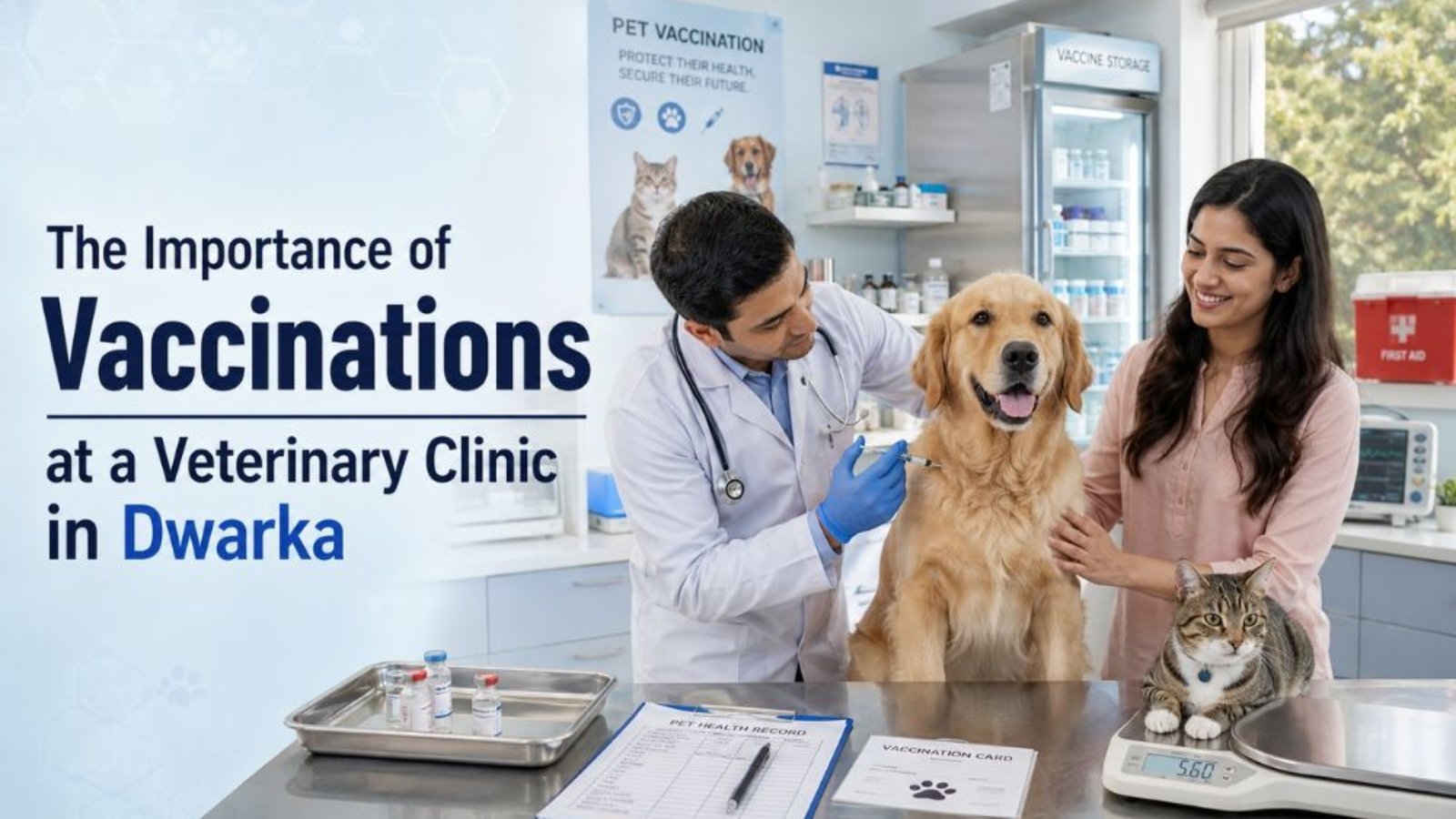
The Importance of Vaccinations at a Veterinary Clinic in Dwarka

The Importance of Vaccinations at a Veterinary Clinic in Dwarka

Bringing a pet into your home comes with countless joyful moments, from playful mornings to unconditional companionship. Along with that joy comes the responsibility of ensuring your furry friend stays healthy throughout every stage of life. One of the simplest yet most effective ways to protect your pet is through timely vaccinations.

Many pet owners only think about vaccinations when they first adopt a puppy or kitten. However, vaccinations are not a one-time requirement. They are an essential part of preventive healthcare that helps protect pets from serious diseases throughout their lives.

If you are searching for a trusted veterinary clinic in Dwarka, understanding the importance of regular vaccinations can help you make better decisions for your pet’s long-term health.

Why Are Vaccinations Important for Pets?

Vaccinations work by preparing your pet’s immune system to recognize and fight harmful viruses and bacteria. Instead of waiting for your pet to become sick, vaccines help their body build protection before exposure to dangerous diseases.

Many infectious diseases spread quickly among animals and can lead to severe complications or even become life-threatening. Fortunately, most of these illnesses can be prevented with a proper vaccination schedule recommended by a qualified veterinarian.

Preventive care is always better than treating an illness after it develops, and vaccinations are one of the biggest steps toward keeping pets safe.

Common Diseases That Vaccinations Help Prevent

Different vaccines protect pets from different diseases based on their age, species, and lifestyle.

Vaccinations for Dogs

Dogs are commonly vaccinated against diseases such as:

  • Rabies
  • Canine Parvovirus
  • Canine Distemper
  • Infectious Canine Hepatitis
  • Leptospirosis
  • Kennel Cough (Bordetella)

These diseases can spread rapidly and may require intensive treatment if contracted. In some cases, they can even prove fatal.

Vaccinations for Cats

Cats also require routine vaccinations to protect them against illnesses including:

  • Rabies
  • Feline Panleukopenia
  • Feline Herpesvirus
  • Calicivirus
  • Feline Leukemia (recommended based on lifestyle)

Even indoor cats benefit from vaccinations, as some viruses can be brought into the home through people, other animals, or contaminated objects.

Why Puppies and Kittens Need Vaccinations Early

Young pets are especially vulnerable because their immune systems are still developing.

Puppies and kittens usually begin their vaccination schedule between six and eight weeks of age. Since immunity develops gradually, veterinarians recommend multiple doses over several weeks, followed by booster vaccinations.

Completing the full vaccination schedule gives young pets the strongest possible protection during their early months of life.

Booster Vaccinations Matter Too

Many pet owners assume that vaccinations are only necessary during the first year.

In reality, immunity decreases over time. Booster vaccinations help maintain protection against diseases throughout your pet’s life.

Depending on your pet’s:

  • Age
  • Breed
  • Medical history
  • Lifestyle
  • Travel habits
  • Exposure to other animals

Skipping booster vaccinations may leave your pet vulnerable to infections that could otherwise be prevented.

Vaccinations Save Money in the Long Run

Treating serious illnesses can become expensive and emotionally stressful.

Hospitalization, diagnostic tests, medications, surgery, and follow-up care often cost significantly more than routine preventive vaccinations.

By protecting your pet before illness occurs, vaccinations help reduce the chances of unexpected medical emergencies and costly treatments.

Preventive healthcare is one of the smartest investments any pet owner can make.

Vaccinations Protect the Entire Pet Community

Vaccinating your pet doesn’t just protect them it also helps protect other animals.

Diseases spread easily in places like:

  • Dog parks
  • Grooming salons
  • Boarding facilities
  • Pet daycare centers
  • Residential communities

When more pets are vaccinated, the spread of contagious diseases decreases, creating a safer environment for all animals.

Rabies vaccination is particularly important because it protects both animals and humans from a dangerous viral disease.

Routine Vaccination Visits Include Complete Health Check-ups

Every vaccination appointment is also an opportunity for your veterinarian to evaluate your pet’s overall health.

During a routine visit, the veterinarian may examine:

  • Weight and body condition
  • Heart and lungs
  • Eyes and ears
  • Teeth and gums
  • Skin and coat
  • Joint movement
  • Nutrition
  • Behaviour

These regular health assessments often detect early signs of illness before noticeable symptoms appear.

Early diagnosis usually means faster treatment and better recovery outcomes.

Choosing the Right Veterinary Clinic in Dwarka

The quality of veterinary care is just as important as the vaccinations themselves.

A reliable veterinary clinic should offer:

  • Experienced veterinarians
  • Hygienic examination rooms
  • Modern diagnostic equipment
  • Personalized vaccination schedules
  • Friendly and compassionate staff
  • Emergency medical support
  • Preventive healthcare guidance

A clinic that takes time to explain your pet’s vaccination plan and answer your questions helps build confidence and ensures your pet receives the best possible care.

Tips for Pet Owners After Vaccination

Most pets recover quickly after receiving their vaccines, but mild side effects can occasionally occur.

After your pet’s vaccination:

  • Allow them to rest for the day.
  • Ensure they have access to fresh water.
  • Offer their regular meals unless advised otherwise.
  • Avoid strenuous exercise for 24 hours.
  • Monitor for swelling, vomiting, breathing difficulty, or unusual tiredness, and contact your veterinarian if any concerning symptoms appear.

Following your veterinarian’s aftercare advice helps ensure a smooth recovery.

Why Pet Owners Choose Billu and Bella

At Billu and Bella, we believe that preventive healthcare is the foundation of a happy and healthy life for every pet. Our experienced veterinary professionals provide personalized vaccination schedules based on your pet’s age, breed, lifestyle, and medical history.

We focus on more than just administering vaccines. Every visit includes careful health assessments, preventive guidance, and compassionate care to ensure your pet receives the attention they deserve. From puppies and kittens receiving their first vaccinations to adult pets requiring annual boosters, our team is committed to supporting your pet’s wellbeing at every stage of life.

Our goal is to build lasting relationships with pet families by providing reliable veterinary care in a comfortable and welcoming environment.

Final Thoughts

Vaccinations are one of the easiest and most effective ways to protect your pet from serious diseases. Staying up to date with your pet’s vaccination schedule not only strengthens their immune system but also reduces the risk of preventable illnesses and supports a healthier, longer life.

Choosing a trusted veterinary clinic in Dwarka ensures your pet receives professional guidance, timely vaccinations, and comprehensive preventive healthcare. With regular check-ups and a proactive approach to wellness, you can help your beloved companion enjoy many years of good health, comfort, and happiness. At Billu and Bella, we’re proud to be a part of that journey by providing compassionate veterinary care you can trust.

How to Choose the Best Pet Clinic in Dwarka for Your Beloved Pet

How to Choose the Best Pet Clinic in Dwarka for Your Beloved Pet

As a pet parent, your furry companion is more than just an animal they are a cherished member of your family. Whether you have a playful puppy, a curious kitten, or a senior pet that needs regular medical attention, choosing the right veterinary clinic plays an important role in their overall health and happiness.

With several options available, finding the best pet clinic in Dwarka can feel overwhelming. Every clinic may offer different services, facilities, and levels of expertise. Instead of making a decision based only on location or cost, it is important to look at the quality of care your pet will receive.

In this blog, we’ll explore the essential factors every pet owner should consider before selecting a trusted veterinary clinic for their beloved companion.

1. Check the Experience and Qualifications of the Veterinary Team

The first thing to evaluate is the experience of the veterinarians and support staff. A qualified veterinary doctor understands not only common illnesses but also preventive healthcare, nutrition, vaccinations, surgery, and emergency treatment.

Experienced veterinarians can identify health issues at an early stage, helping your pet receive timely treatment before the condition becomes serious.

When visiting a clinic, don’t hesitate to ask about:

  • Veterinary qualifications
  • Years of experience
  • Areas of specialization
  • Experience with your pet’s breed or species

A knowledgeable veterinary team provides confidence and peace of mind during every visit.

2. Look for Comprehensive Veterinary Services

A reliable pet clinic should provide complete healthcare under one roof. This saves time and ensures continuity of care throughout your pet’s life.

Some important services include:

  • General health check-ups
  • Vaccination programs
  • Deworming
  • Parasite control
  • Diagnostic tests
  • Surgery
  • Dental care
  • Nutritional counseling
  • Skin and ear treatment
  • Emergency medical care
  • Senior pet care

Having access to multiple services at one clinic makes long-term healthcare much more convenient.

3. Hygiene and Cleanliness Matter

Cleanliness is one of the strongest indicators of a professional veterinary clinic.

Pay attention to:

  • Clean examination rooms
  • Sanitized equipment
  • Odor-free waiting areas
  • Organized treatment spaces
  • Proper waste disposal

A hygienic clinic minimizes the risk of infections and creates a safer environment for pets and their owners.

4. Observe How the Staff Treats Animals

Medical expertise is important, but compassion is equally valuable.

Notice how the doctors and staff interact with pets. They should remain calm, patient, and gentle, especially when handling nervous or anxious animals.

A caring veterinary team helps reduce stress during examinations and builds trust with both pets and owners.

Small gestures like speaking softly, offering reassurance, and handling pets comfortably often make a significant difference.

5. Availability of Emergency Care

Medical emergencies can happen unexpectedly.

Your pet may suddenly experience:

  • Difficulty breathing
  • Accidents
  • Poisoning
  • Severe vomiting
  • Seizures
  • High fever
  • Injuries

Choosing a clinic that offers emergency treatment or quick medical assistance ensures your pet receives immediate care when every minute matters.

6. Modern Diagnostic Facilities

Accurate diagnosis leads to effective treatment.

A well-equipped veterinary clinic should have access to modern diagnostic tools such as:

  • Digital X-rays
  • Blood testing
  • Urine analysis
  • Ultrasound
  • Laboratory testing

These facilities help veterinarians diagnose diseases more accurately and begin treatment without unnecessary delays.

7. Read Reviews from Other Pet Owners

Online reviews can provide useful insights into the quality of care a clinic offers.

Look for comments about:

  • Doctor’s behavior
  • Treatment quality
  • Staff friendliness
  • Waiting time
  • Clinic cleanliness
  • Emergency response
  • Overall experience

While every business may receive occasional negative feedback, consistently positive reviews usually indicate trustworthy service.

You can also ask friends, neighbors, or fellow pet owners in Dwarka for recommendations.

8. Transparent Communication

Good veterinarians believe in educating pet owners rather than simply prescribing medicines.

A trustworthy doctor should explain:

  • Your pet’s condition
  • Available treatment options
  • Medication usage
  • Possible side effects
  • Recovery timeline
  • Preventive care recommendations

Clear communication allows you to make informed decisions regarding your pet’s health.

9. Comfortable Environment for Pets

Many pets become anxious during clinic visits.

A pet-friendly clinic should provide:

  • Comfortable waiting areas
  • Calm surroundings
  • Organized appointments
  • Friendly staff
  • Minimal waiting time

Reducing stress improves the overall experience for both pets and owners.

10. Focus on Preventive Healthcare

Preventive care includes:

  • Regular health check-ups
  • Vaccination schedules
  • Weight monitoring
  • Nutritional guidance
  • Dental examinations
  • Tick and flea prevention
  • Annual wellness exams

Routine care helps detect health issues early, often reducing treatment costs and improving long-term health.

Why Choosing the Right Pet Clinic Makes a Difference

Selecting the right veterinary clinic is a long-term investment in your pet’s wellbeing.

A trusted veterinarian becomes familiar with your pet’s medical history, behavior, allergies, and healthcare needs over the years. This continuity leads to better diagnosis, personalized treatment plans, and more effective preventive care.

Rather than changing clinics frequently, building a lasting relationship with a dependable veterinary team ensures consistent care throughout every stage of your pet’s life.

Caring for Every Stage of Your Pet’s Journey

Whether you’re welcoming a new puppy into your home or caring for an aging companion, your pet’s healthcare needs will evolve over time. Regular veterinary visits help monitor growth, detect illnesses early, and ensure your furry friend enjoys a healthy, active life.

From routine vaccinations and wellness exams to advanced treatments and emergency care, choosing the right clinic means you’ll always have expert guidance whenever your pet needs it.

Trust Billu and Bella for Compassionate Pet Care

Finding a dependable pet clinic isn’t just about medical treatment—it’s about choosing a team that genuinely cares for your pet’s wellbeing. At Billu and Bella, we understand the special bond between pets and their families. Our focus is on providing compassionate veterinary care, preventive health services, accurate diagnosis, and personalized treatment to help pets live healthier and happier lives.

Whether your companion needs a routine health check-up, vaccination, medical consultation, or specialized treatment, our experienced veterinary professionals are committed to delivering quality care with kindness and attention.

Final Thoughts

Choosing the best pet clinic in Dwarka requires more than comparing prices or selecting the nearest location. Experience, compassionate care, hygiene, modern facilities, preventive healthcare, and transparent communication all contribute to your pet’s overall wellbeing.

Taking the time to research and visit a clinic before making your decision can make a lasting difference in your pet’s health. After all, they rely on you for every aspect of their care, and selecting the right veterinary partner is one of the most important decisions you’ll make as a responsible pet owner.

Don’t miss: Pet Skin Problems Treated at a Veterinary Clinic in Dwarka
Pet Skin Problems Treated at a Veterinary Clinic in Dwarka

Pet Skin Problems Treated at a Veterinary Clinic in Dwarka
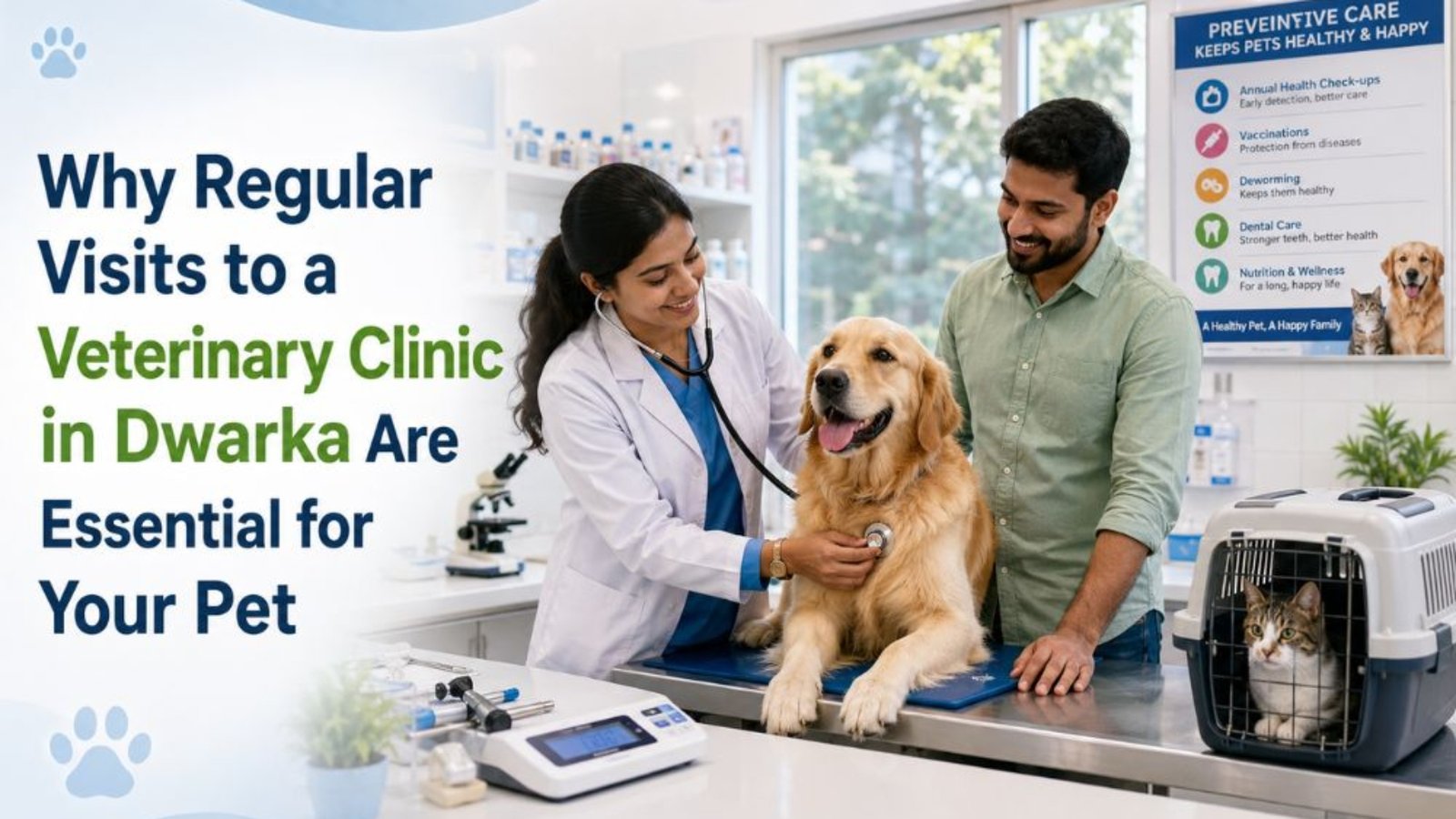
If you have a pet, you probably know how common skin problems can be. Sometimes it starts with a little scratching. Sometimes you notice hair fall, red patches, or your pet constantly licking one area. Many pet owners ignore these early signs, thinking it’s just normal itching or seasonal changes.

But the truth is, skin issues in pets can quickly become uncomfortable and painful if left untreated.

Skin problems are one of the most common reasons pet owners visit a veterinary clinic in Dwarka. Whether it’s a dog, cat, puppy, or kitten, skin health matters a lot because it affects your pet’s comfort, mood, and overall well-being.

At Billu & Bella, many pet owners come with concerns like itching, rashes, hair loss, or unusual skin infections. Most of the time, early treatment helps solve the problem much faster.

Let’s understand some of the common pet skin problems and how veterinary care helps.

Constant Itching and Scratching

This is usually the first sign most owners notice.

If your pet is scratching all day, biting their skin, or rubbing against furniture, it usually means something is bothering them.

The reason could be:

  • Ticks or fleas
  • Skin allergy
  • Dry skin
  • Fungal infection
  • Food reaction

Constant scratching may look harmless, but over time it can damage the skin and create open wounds.

A proper checkup at a veterinary clinic in Dwarka helps identify the exact reason behind the itching so treatment can start quickly.

Tick and Flea Allergies

Ticks and fleas are one of the biggest reasons for skin irritation.

Some pets are extra sensitive to flea bites and can develop serious allergic reactions.

Common signs include:

  • Redness
  • Hair fall
  • Biting near the tail
  • Small bumps
  • Restlessness

Even one flea bite can trigger strong itching in some pets.

Veterinary treatment usually includes anti-tick medication, skin relief treatment, and preventive care to stop the problem from coming back.

Hair Loss in Pets

Hair fall is common, but excessive hair loss is a warning sign.

If you notice bald patches or unusual shedding, the reason could be:

  • Skin infection
  • Allergy
  • Hormonal imbalance
  • Tick infestation
  • Nutritional deficiency

Many pet owners think seasonal shedding is normal and delay treatment.

But if hair loss looks uneven or excessive, it’s better to consult a vet.

Early diagnosis makes treatment much easier.

Skin Allergies

Pets can develop allergies just like humans.

Sometimes the trigger is food. Sometimes it’s dust, pollen, grass, or even certain shampoos.

Signs of skin allergy include:

  • Red skin
  • Continuous licking
  • Ear scratching
  • Swelling
  • Rashes

The difficult part is finding the exact trigger.

A professional skin examination helps narrow down the cause and suggest proper treatment.

At Billu & Bella, many allergy cases are treated by understanding both the pet’s routine and environment.

That makes the treatment more effective.

Fungal Skin Infections

Fungal infections are also very common, especially in humid weather.

These infections often appear as:

  • Circular bald patches
  • Dry flaky skin
  • Dark skin spots
  • Bad smell from the skin

Pets can feel very uncomfortable during fungal infections.

The good thing is that with proper treatment, these infections usually improve well.

Treatment may include medicated shampoos, creams, or oral medicines.

The important thing is not to ignore it.

Hot Spots

Hot spots are painful red patches that appear suddenly.

They usually happen when pets keep licking or scratching one area repeatedly.

Hot spots can become:

  • Wet
  • Swollen
  • Infected
  • Painful

These often spread quickly.

This is why immediate treatment is important.

At a veterinary clinic in Dwarka, hot spots are usually cleaned, treated, and protected to avoid further irritation.

Dry Skin and Flaky Coat

Dry skin is another common issue, especially during weather changes.

You may notice:

  • White flakes in fur
  • Rough coat texture
  • Mild itching
  • Dull fur

This may happen because of:

  • Poor diet
  • Low hydration
  • Harsh shampoos
  • Weather changes

Sometimes simple changes like better nutrition and skin-friendly products can improve the condition.

A vet can guide you properly.

Ear-Related Skin Problems

Many skin issues start around the ears.

Pets with ear infections often scratch the area continuously, which can damage nearby skin.

Signs include:

  • Head shaking
  • Ear scratching
  • Redness around ears
  • Bad smell
  • Discharge

Ear infections should never be ignored because they can become painful.

Treatment usually clears the infection and reduces skin irritation around the area.

Paw Licking and Skin Irritation

Some pets keep licking their paws all the time.

Owners often think it’s just a habit.

But repeated paw licking may mean:

  • Allergy
  • Fungal infection
  • Injury
  • Dirt irritation
  • Dry skin

If ignored, paws can become red and swollen.

A vet can examine the paws and find the exact cause.

Why Professional Diagnosis Matters

This is something many pet owners learn after trying home remedies.

Not every skin problem looks different in the beginning.

For example:

  • Allergy may look like fungal infection
  • Tick bites may look like rashes
  • Dry skin may seem like dandruff

Using the wrong treatment can delay healing.

That’s why professional diagnosis matters.

At Billu & Bella, skin conditions are checked carefully before starting treatment. This helps avoid unnecessary medicines and gives faster relief.

Prevention Is Always Better

Many skin problems can be reduced with simple habits.

These include:

  • Regular grooming
  • Tick prevention
  • Balanced diet
  • Clean bedding
  • Proper bathing routine
  • Using pet-safe shampoos

These small steps help maintain healthy skin.

And honestly, healthy skin means a happier pet.

Final Thoughts

Skin problems are more common in pets than many people realize. Sometimes it’s just mild itching, but sometimes it can be a sign of something bigger like allergies, infections, or parasites.

The important thing is to notice changes early.

If your pet is scratching too much, losing fur, or showing skin irritation, it’s always better to get it checked.

A trusted veterinary clinic in Dwarka can help identify the real problem and provide proper treatment before it gets worse.

At Billu & Bella, pet skin care is treated with proper attention, safe medication, and practical guidance so pets can feel comfortable, healthy, and active again.

Because when your pet feels better, you can see it in everything their energy, mood, and happiness.

Don’t miss: Common Treatments Available at a Veterinary Clinic in Dwarka
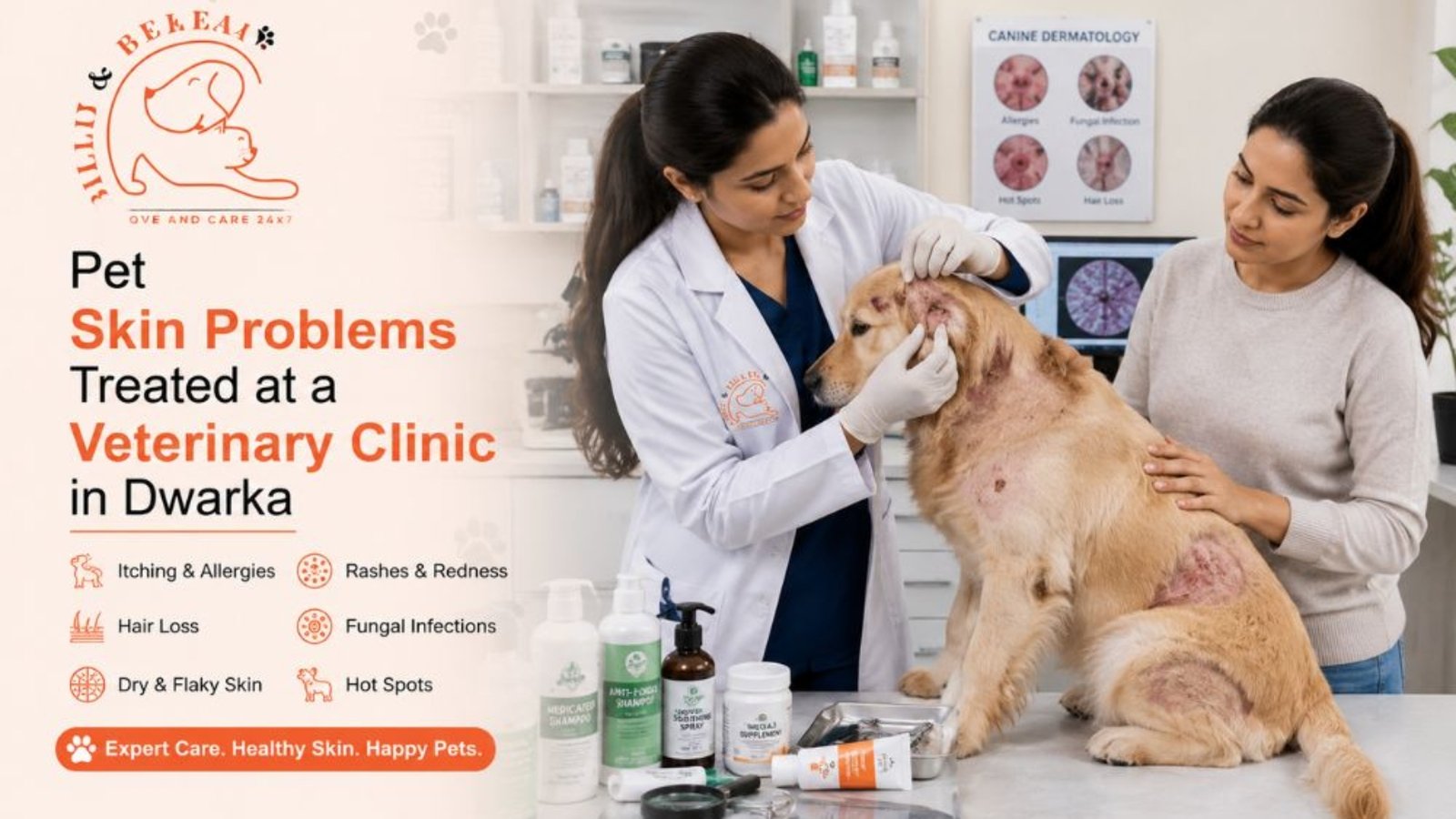
How a Veterinary Clinic in Dwarka Helps with Tick and Flea Prevention

How a Veterinary Clinic in Dwarka Helps with Tick and Flea Prevention

For many pet owners, seeing their dog or cat scratching all the time feels normal at first. Sometimes we think it’s because of dust, weather, or just a small irritation. But often, the real reason is ticks and fleas one of the most common problems pets face.

At first, it may look like a small issue. A little scratching, some biting near the tail, or slight redness on the skin. If left untreated, these small parasites can cause serious irritation and lead to bigger health issues for your pet.

That’s why regular visits to a trusted veterinary clinic in Dwarka are important. Tick and flea prevention is not just about treating the problem after it starts it’s about stopping it before it becomes worse.

At Billu & Bella, many pet owners come in with pets facing tick issues, especially during warm and humid months. And honestly, most of them wish they had started prevention earlier.

Let’s understand how proper veterinary care helps.

Why Ticks and Fleas Are More Dangerous Than They Look

Most people think ticks are just insects that make pets itchy.

But the reality is very different.

Ticks survive by feeding on your pet’s blood. Fleas do the same. And while doing this, they can spread infections, weaken your pet, and damage their skin.

Common problems caused by ticks and fleas include:

  • Constant itching
  • Skin allergies
  • Hair loss
  • Infection in bite areas
  • Weakness due to blood loss
  • Fever in severe cases

In puppies and kittens, the problem can become serious much faster because their immunity is still weak.

That’s why prevention matters.

Early Detection Makes a Huge Difference

One of the biggest benefits of visiting a veterinary clinic in Dwarka is early detection.

Many pet owners don’t notice ticks immediately.

Why?

Because ticks often hide in places like:

  • Behind the ears
  • Under the collar
  • Between the toes
  • Near the tail
  • Under the legs

Especially in long-haired dogs, they can stay hidden for days.

During regular health checks, vets can spot these early signs before the infestation spreads.

This saves your pet from discomfort and makes treatment easier.

Proper Skin Examination Helps Find the Root Problem

Not all scratching means ticks.

Sometimes it could be:

  • Fleas
  • Fungal infection
  • Allergy
  • Dry skin
  • Food reaction

That’s why guessing at home is risky.

A professional skin examination helps identify the exact cause.

At Billu & Bella, pets are checked carefully to understand whether the irritation is caused by ticks, fleas, or something else. This helps in giving the right treatment instead of trying random products.

Because the wrong product often wastes time and makes the skin worse.

Anti-Tick Treatments That Actually Work

A reliable veterinary clinic in Dwarka usually offers multiple treatment options based on how serious the infestation is.

Every pet is different, so treatment should also be different.

Some common treatments include:

Medicated Tick Baths

These baths help kill active ticks and clean the coat properly.

They’re useful when the infestation is still mild.

Spot-On Solutions

They work for several weeks and are often used as preventive care.

Many pet owners prefer this because it’s simple and effective.

Oral Tick Medicines

For heavy tick problems, vets may suggest oral medicines.

These often work faster and control the infestation from inside.

Tick Powders and Sprays

These help provide extra protection, especially for pets that spend time outdoors.

Using the right combination matters more than using too many products.

Prevention Is Always Better Than Removal

Once ticks spread heavily, removing them becomes stressful.

Not just for the pet, but for the owner too.

That’s why vets focus on prevention.

A proper prevention plan may include:

  • Monthly anti-tick treatments
  • Regular grooming
  • Tick checks after walks
  • Seasonal protection
  • Skin health monitoring

This routine reduces the risk of infestation.

And honestly, it’s much easier to prevent than to cure.

Grooming Helps Reduce Tick Problems

Many pet owners underestimate grooming.

Brushing regularly helps because:

  • You can spot ticks early
  • Fur stays cleaner
  • Skin gets proper airflow
  • Hidden parasites become visible

Long-haired breeds especially need regular brushing.

Matted fur can hide ticks very easily.

At Billu & Bella, many pet parents are also guided on how often grooming should be done depending on their pet’s breed and coat type.

That small guidance often makes a big difference.

Home Cleaning Is Part of Tick Prevention Too

Treating your pet alone is not enough.

This is something many owners realize too late.

Ticks and fleas can live in:

  • Pet bedding
  • Sofa corners
  • Carpets
  • Floor gaps
  • Blankets

This means even if your pet gets treated, they can get infected again from the environment.

A vet usually advises proper cleaning like:

  • Washing bedding in hot water
  • Vacuuming carpets
  • Cleaning sleeping areas
  • Using pet-safe disinfectants

Keeping the house clean supports long-term prevention.

Seasonal Tick Protection Is Important

In Delhi, tick problems often increase during:

Summer

Heat increases parasite activity.

Monsoon

Humidity creates perfect conditions for ticks and fleas.

Early Winter

Some ticks still remain active.

This is why many vets recommend year-round prevention rather than waiting for visible symptoms.

Consistent care gives better protection.

Puppies and Kittens Need Extra Attention

Young pets are much more sensitive to ticks.

A few ticks may not look serious, but for newborn or young pets, it can affect:

  • Energy levels
  • Growth
  • Feeding habits
  • Immunity

Using random anti-tick products on puppies and kittens can also be dangerous.

Their skin is delicate.

That’s why treatment should always be guided by an experienced vet.

This keeps them safe while treating the issue properly.

Why Local Veterinary Support Matters

Online products are easy to order, but not every product suits every pet.

Some pets may have:

  • Sensitive skin
  • Existing allergies
  • Weak immunity
  • Age restrictions

A local veterinary clinic in Dwarka understands common seasonal issues and local environmental risks much better.

That practical experience helps in choosing the safest and most effective treatment.

And when problems return, support is easily available.

That’s a big advantage.

Final Thoughts

Ticks and fleas may seem like a small problem in the beginning, but they can quickly turn into serious discomfort for your pet if ignored.

Constant itching, skin damage, infection, and weakness are just some of the problems they can cause.

The good thing is that with regular checkups, proper grooming, and timely prevention, these issues can be controlled easily.

At Billu & Bella, tick and flea prevention is taken seriously because healthy skin means a healthier pet. With proper guidance, safe treatments, and preventive care, pets can stay comfortable, active, and protected throughout the year.

Because in the end, keeping your pet healthy is not only about treating sickness it’s about preventing problems before they begin.

Don’t miss: Why Newborn Pets Need Special Care at a Pet Clinic in Dwarka

Common Treatments Available at a Veterinary Clinic in Dwarka
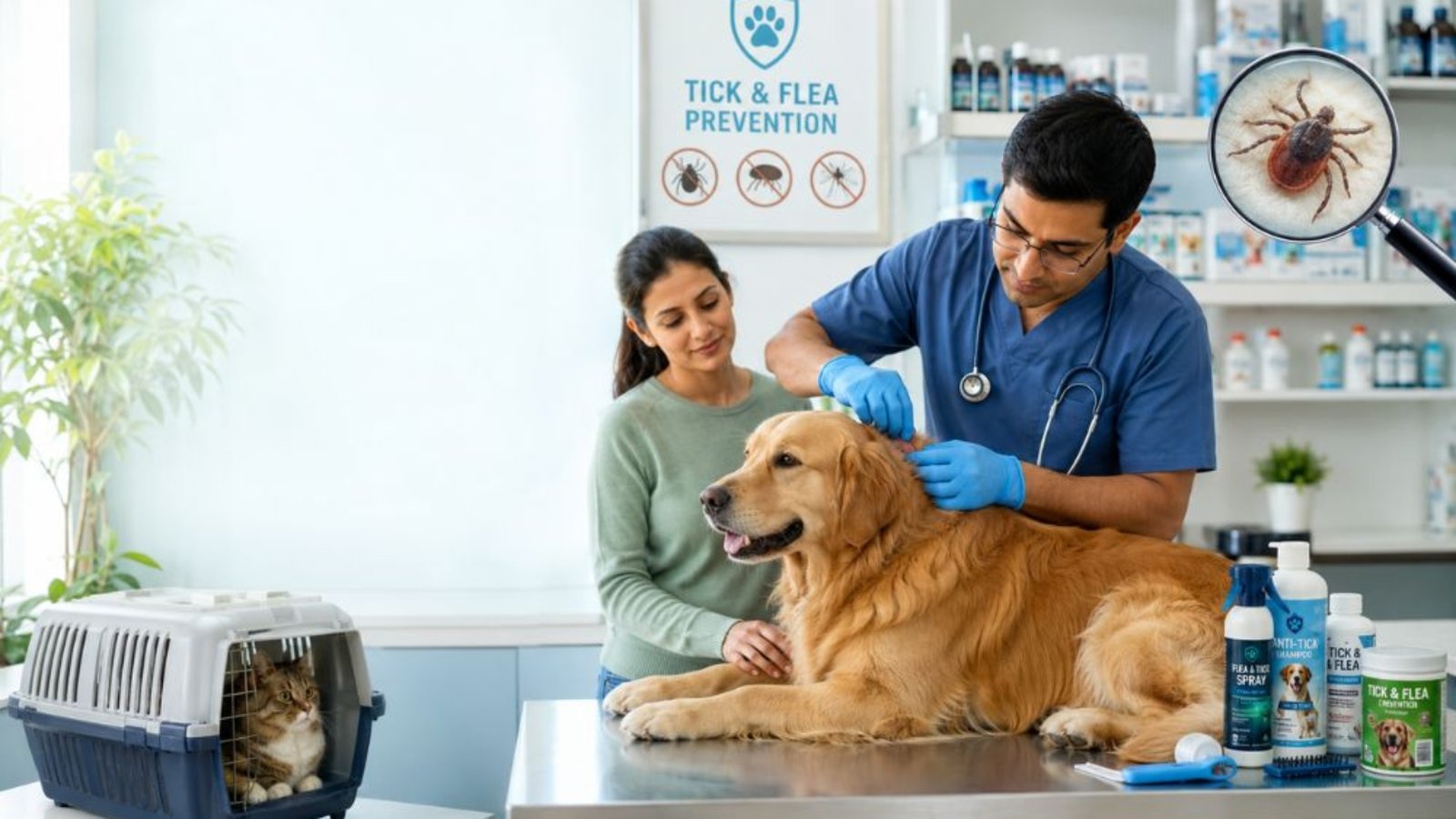
Common Treatments Available at a Veterinary Clinic in Dwarka
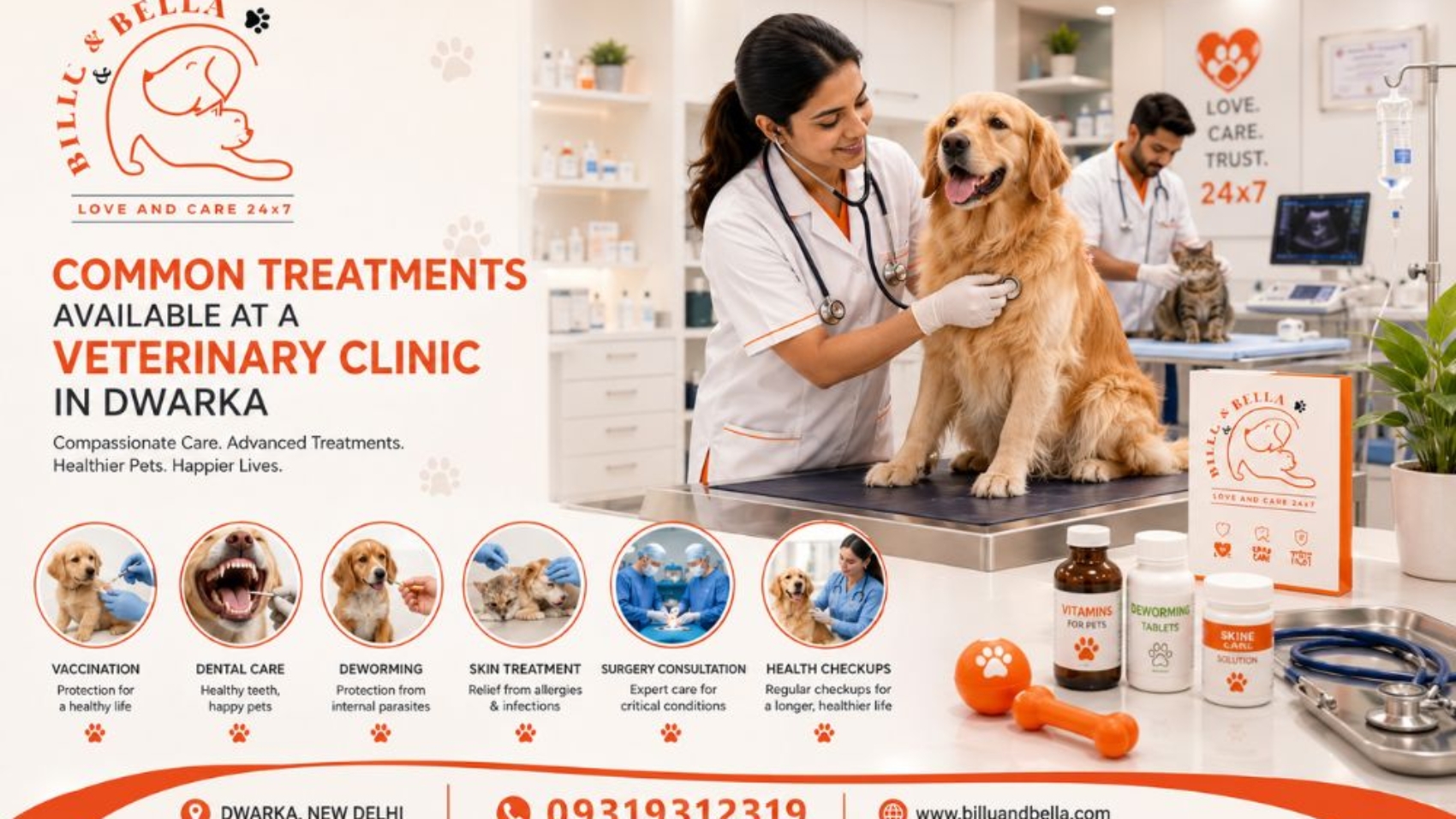
Pets become an important part of our daily lives. Whether it’s a dog waiting at the door, a cat sleeping beside you, or a playful puppy running around the house, they bring comfort and happiness that’s hard to explain. But just like humans, pets also face health problems from time to time. Some issues are minor, while others need immediate medical attention.

That’s where a trusted veterinary clinic in Dwarka becomes important.

Many pet owners only visit a clinic when their pet is visibly sick. But veterinary care is much more than just treatment during illness. From vaccinations and skin care to surgeries and dental cleaning, clinics handle many important parts of pet health.

If you’re a pet owner and wondering what kind of treatments are usually available, here’s a simple guide.

General Health Checkups

Regular health checkups are among the most common reasons why pet owners take their pets to a clinic.

Even if your pet looks perfectly fine, regular checkups help identify hidden issues before they become serious.

During a general checkup, vets usually examine:

  • Weight and body condition
  • Temperature
  • Skin and coat health
  • Ears and eyes
  • Teeth and gums
  • Heartbeat and breathing

These small checks help track your pet’s overall health and catch problems early.

Vaccination Services

Vaccinations are one of the most basic but important treatments for pets.

They protect against dangerous diseases that can become life-threatening.

Common vaccines usually include:

  • Rabies
  • Parvovirus
  • Distemper
  • Hepatitis
  • Feline viral infections

Puppies and kittens need vaccines at an early age, while adult pets need booster doses regularly.

Following the correct schedule helps build strong immunity.

Deworming Treatments

Worm infections are very common in pets, especially young ones.

Many pets may look healthy but still carry internal worms.

Signs often include:

  • Weakness
  • Poor appetite
  • Loose stools
  • Bloated stomach
  • Weight loss

Regular deworming removes these parasites and supports healthy digestion and growth.

Vets usually recommend deworming based on your pet’s age and lifestyle.

Tick and Flea Treatment

Ticks and fleas are one of the most common skin-related problems, especially during hot and humid weather.

They can cause:

  • Constant scratching
  • Skin irritation
  • Hair fall
  • Infections
  • Restlessness

A veterinary clinic in Dwarka usually provides treatments like:

  • Anti-tick shampoos
  • Spot-on solutions
  • Tick powders
  • Flea control medication

Early care can help manage the issue before it turns into a larger health concern.

Skin Allergy Treatment

Skin issues are very common among pets.

Sometimes it starts with simple itching but can quickly become worse.

Common causes include:

  • Food allergies
  • Dust or environmental allergies
  • Tick bites
  • Fungal infections
  • Wrong grooming products

Treatment may include skin medicines, medicated shampoos, or allergy management.

Ignoring skin issues often makes recovery slower.

Digestive Problem Treatment

Stomach problems happen more often than people think.

Pets may suffer from:

  • Vomiting
  • Loose motion
  • Loss of appetite
  • Constipation
  • Gas or bloating

These problems can happen because of wrong food, infections, overeating, or sudden diet changes.

Vets usually identify the cause and provide treatment to stabilize digestion.

Simple advice on food can also prevent these issues in the future.

Injury and Wound Care

Pets are naturally active and curious.

Sometimes they get injured while:

  • Playing
  • Fighting with other animals
  • Running outdoors
  • Jumping from heights

Small wounds may seem harmless but can lead to infections if untreated.

Veterinary clinics provide wound cleaning, dressing, and proper medication to support healing.

Surgery Services

Not every clinic visit is for minor treatment.

Sometimes surgery becomes necessary.

Common surgeries include:

  • Spaying and neutering
  • Tumor removal
  • Injury repair
  • Emergency surgeries
  • Foreign object removal

These procedures are performed under proper veterinary supervision.

Timely surgery can improve recovery and prevent complications.

Dental Treatment

Dental health is often ignored by pet owners.

But mouth problems can affect eating and overall health.

Common dental issues include:

  • Bad breath
  • Gum infection
  • Tartar buildup
  • Tooth pain
  • Difficulty chewing

Veterinary clinics offer dental cleaning and oral health checks to keep pets comfortable.

Healthy teeth directly support better eating habits.

Fever and Infection Treatment

Pets can develop infections just like humans.

Symptoms may include:

  • High temperature
  • Weakness
  • Low appetite
  • Vomiting
  • Coughing
  • Runny nose

Quick diagnosis is important because infections can spread fast.

Treatment depends on the cause but may include medication, fluids, and monitoring.

Nutrition and Weight Management Advice

Sometimes treatment is not about medicines.

A lot of pet health issues begin because of poor diet.

Vets often guide pet owners about:

  • Choosing the right food
  • Portion control
  • Weight management
  • Special diet for medical conditions

This helps improve energy, digestion, coat quality, and immunity.

Senior Pet Care

Older pets need more attention than younger ones.

As they age, they may face:

  • Joint pain
  • Weakness
  • Slow digestion
  • Kidney issues
  • Vision problems

Regular vet care helps manage these issues and improve comfort.

Senior pets often benefit greatly from early diagnosis.

Emergency Care

Some situations need immediate help.

For example:

  • Breathing problems
  • Severe vomiting
  • Sudden collapse
  • Injury
  • Poisoning
  • Seizures

In these cases, emergency treatment can save a pet’s life.

This is why having a nearby trusted clinic matters so much.

Final Thoughts

A good veterinary clinic in Dwarka does much more than just treat sick pets. It supports every stage of your pet’s life from vaccinations and growth care to emergencies and old-age support.

Regular treatments, timely diagnosis, and proper advice can make a huge difference in your pet’s overall health and happiness.

At Billu & Bella, pet owners can find reliable care, practical guidance, and treatment support for both everyday health needs and urgent situations.

Because in the end, keeping your pet healthy is not just about treatment it’s about giving them the best care possible throughout their life.

Related: Why Newborn Pets Need Special Care at a Pet Clinic in Dwarka