start_9a4c00b5-dd19-45f5-8451-55bd4ad3b1a6_350x350@2x

How To Reduce Shedding In Dogs?

Have you ever pondered how to halt canine shedding or what initially prompts it?

Most of the time, shedding is the coat’s normal process of getting rid of old, disconnected, and occasionally damaged hair. Older hair must be lost to make place for new, healthy hair, which keeps your dog’s coat thick and warm. All dogs shed, though some more than others, and it can be stressful for pet owners who feel like they are doing nothing but vacuuming up mountains of fluff! 

The breed of the dog, the climate, the dog’s nutrition, any potential allergies, and many other things affect how often and how much hair is shed. Whatever the reason for shedding, it is possible to keep it under control with at-home grooming and a healthy diet. Check out these strategies for minimising shedding if you are doing all of this but still find yourself sifting through a sea of loose dog hair and dander.

Selecting a Breed to Determine Which Dogs Shed More

You should think about your household’s allergies, your ability to afford professional grooming, and the amount of time you can devote to at-home grooming when selecting a dog. Throughout the year, different breeds shed at various times and rates.

Consider allergies

You could prefer to pick one of the breeds that don’t shed, such as Afghan Hounds, Poodles, Irish Water Spaniels, or Portuguese Water Dogs, rather than dealing with the potential risks to others who live in your home who have pet allergies.

How to reduce dog shedding?

Of course, no one enjoys dog hair tumbleweeds strewn across the floor. Fortunately, no matter what breed your dog is, there are a few things you can do to help keep their coat, undercoat, and dander under control all year long. You might be surprised to hear that most of these suggestions for reducing dog shedding would only cost you pennies to execute.

        1. Select the Proper Brush

        2. Select a Tool for Shedding

        3. Give your dog a nutritious diet

        4. Boost their water intake

Spend more time having fun.

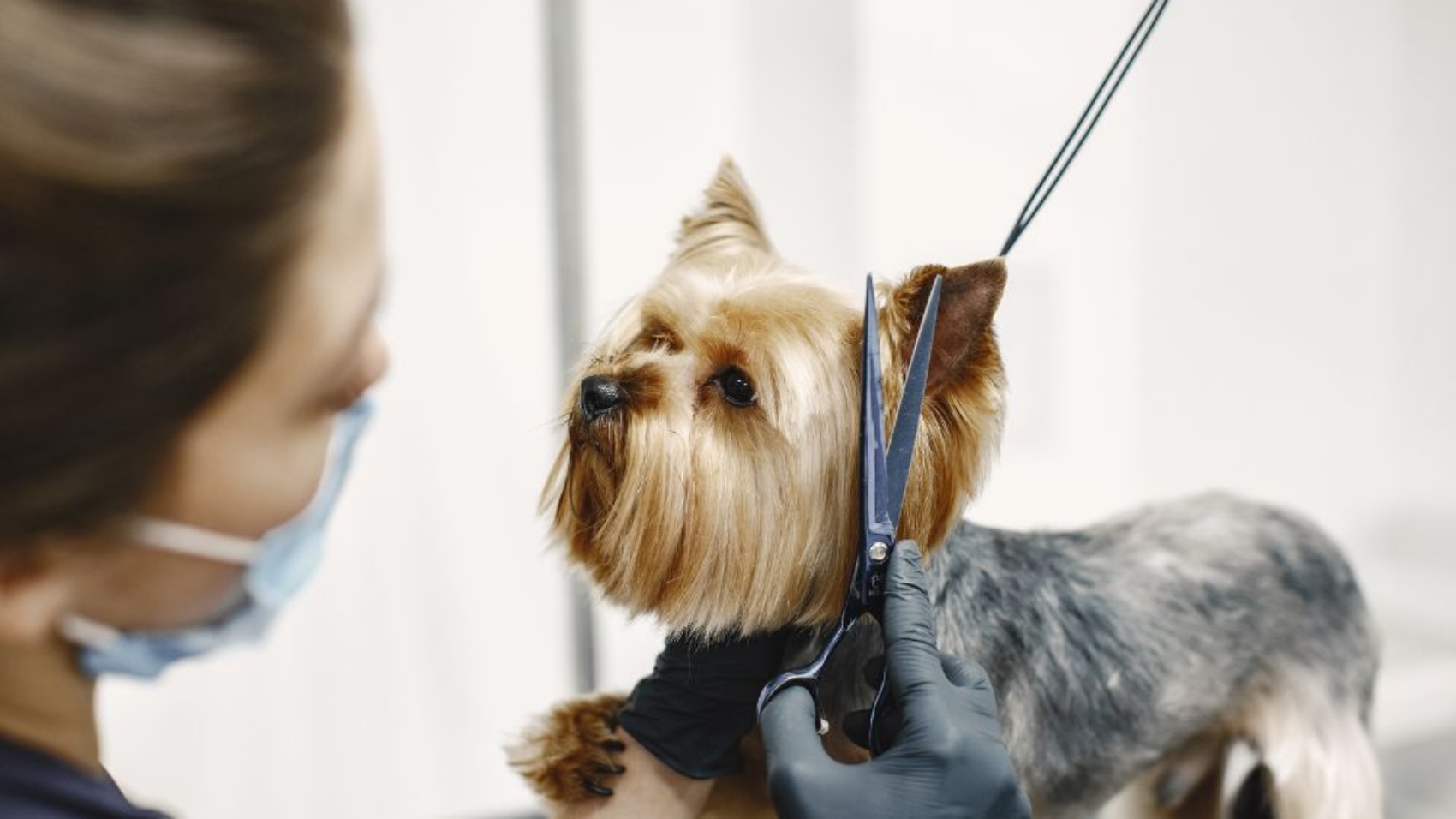
Remember that giving your dog frequent brushing and grooming not only keeps their coat healthy but also provides an opportunity for bonding. After your grooming session, you can go on a stroll, play fetch, or just hang around.

In the long run, using one or more of our six suggestions for reducing your dog’s shedding will save you time, and money, and prevent piles of hair from amassing in your house. While brushing and grooming your dog, you should also perform a general health examination on him. Look for any new cuts, lumps, dry skin, sores, or parasites that your veterinarian might need to cure.

start_aec93e17-b8e6-4b61-b38c-055537516195_350x350@2x

How to help your dog lose weight?

Is your unconditional love making your pooches obese? It is an old saying that a way to man’s heart is through food. And the same applies to your Pooch. In fact, canine obesity is the most common nutritional disorder seen in dogs. The number of BNB beefing up about their pet’s increase in weight is quite alarming. No exercise and constant feeding have led to an increase in weight.

Obesity is the most common disease in India, affecting our little furry friends. Up to 60 per cent of dogs are overweight, and about half of those are obese. Your dog’s increasing weight should not be taken lightly, as an obese dog can lead to serious health problems like arthritis, diabetes, and heart disease. There are many reasons for the increase in the weight of dogs, but the most common one is lack of exercise, especially in Indian society. Another reason responsible for the weight increase of dogs in India is a lack of knowledge and a poor range of pet food.

What causes obesity or increase in weight in Dogs?

Obesity is an accumulation of excess body fat when calorie intake exceeds calorie burn. There are many factors that can contribute to weight gain in a dog, which can include;

1) Overfeeding

2) Lack of exercise

3) Breed

4) Age and gender

5) Spay/neuter status

6) Diseases such as diabetes mellitus, hypothyroidism, etc

How can I tell if my Doggo is overweight?

A quick way to access your dog’s weight at home is to check the following things:

1) When you stand behind your dog and watch down, does it resemble an hourglass?

2) Do they have a waist?

  1. Can you easily feel their ribs?

If your answer is no to all the above questions, then there are chances that your dog is overweight. Thus, here are a few vet-approved tips to help your pet reduce weight.

Simple ways to help your pup reduce weight

Exercise is essential to helping your overweight dog get healthy, just like it is for humans. Increased movement helps your dog burn off energy (and calories consumed). Thus, if you find your pup has put on some weight, rather than ignoring it, you better take steps to control it.

Here are some easiest tips for your dog to safely shed excess pounds;

1) Food Factors to consider

Many paw-rents simply go to shops and buy pet food without checking the ingredient label. Many times, people buy one that costs less and might contain low-quality ingredients. There are a few things you need to look out for while considering dog food.

  • Quality

Don’t get carried away with fancy ingredients printed on the back of the label. Food quality means a well-balanced diet having an apt ratio of essential nutrients. Your dog food should contain carbohydrates, fat, protein, minerals, and vitamins. If you have the slightest doubts about the best dog food, you can always ask your vet.

  •     Type of food

Feeding your dog a single diet, again and again, may result in malnourishment. As a human grows, one changes his/her diet, in the same way, a dog’s diet needs to be changed. Make sure to get the best of different types of food ranging from a combination of fresh and raw food. In this way, your dog will get all the nutrients as he grows. Keep your dog happy, healthy, and fit by giving me nutritious dog treats, food, and biscuits.

  • How much are you feeding?

When it comes to your dog, it is essential to set a benchmark of how much to feed your dog. It is not good to rely on feeding guidelines stated on the packets because like humans, every dog has different nutritional requirements according to age, activity level and breed. You can keep a count of your dog’s calorie intake and feed him accordingly, or you can consult your vet for a proper diet plan.

2) Exercise

Eating healthy is the key, but no weight loss plan is completed without exercise. The most important part of your dog’s daily life is walking. Walking is not just a way to exercise but also provides mental stimulation and an opportunity to sniff. While some dogs might require less exercise, every dog needs to move.

While 20 minutes of exercise twice a day is recommended, many dogs will require considerably more. An hour of exercise every day is suitable for many dog breeds. If your dog needs to lose weight, consider increasing the amount of activity he or she is already doing. Don’t exaggerate your dog’s exercise routine in one go, but go for short increments daily. Too vigorous activity can lead to joint problems in dogs.

3) Count the treats

Another possible way to reduce your dog’s weight is by controlling his treats. Again, the quality and quantity of treats matter. No one wants to deny their dogs from consuming treats as they are a great way to train your pup. But over-pampering can lead to weight gain. Treats should not comprise more than 10% of the total daily calories of your paw.

Some paw-rents might be very conscious about their dog’s diet, yet feeding highly processed dog treats can lead to weight gain. Many vets recommend using single-ingredient treats like BNB Organics Raw Bites. These dehydrated meat jerkies have very low calories and fats in them. Plus, they are made with high-quality exotic meat making them rich in protein and perfect for diets. When it comes to treats, you cannot miss BNBN Licks Peanut Butter. It comes with the goodness of peanuts, flax seeds, and the richness of honey. Apart from the delicious taste, it is a source of healthy protein and helps with improving energy, immunity, skin and coat health, joint and limb mobility, etc.

4) Rule out a medical condition

Most of the time, it’s the problem of lifestyle that causes obesity in dogs. Well, people are very excited to bring a pet home, but forget that it requires constant care, proper diet, and exercise to keep your pup healthy and happy. Not making your dog exercise, especially in Indian society, is the most common cause of obesity. If you are providing your dog with fresh and healthy food along with proper exercise and controlling his treats, but still not having any luck helping your dog lose weight, it might be time to pay a visit to your vet to rule out any medical condition. Sometimes, it happens that your dog has gained weight not because of food or treats, but because of an underlying medical cause.

A sudden increase in weight without any change in your dog’s routine might indicate an underlying disease in your pup. Weight gain can also be a symptom of hypothyroidism and Cushing’s Syndrome (hyperadrenocorticism).

5) Interactive toys

One of the best ways to get your dog to exercise is with the help of interactive dog toys. They are by far one of the best ways to help your dog reduce stress and kills boredom. They urge dogs to work for their food, much like they would in the wild. When a dog is mentally and physically engaged, they are less likely to cause destruction. To avoid boring your dog, make sure you have a collection of interactive toys and use them on a rotational basis. Interactive toys come in a wide variety which includes smart toys, treat-dispenser toys, squeaky toys, chew toys, and more.

6) Be patient as it’s a long journey

If you think your pup will lose weight overnight, it is not possible.  Weight loss is a time-taking process and requires effort. Most importantly, keep a tab on calorie intake by your pup and make sure he gets daily exercise or walking. Obesity is not a big problem if you handle it carefully.

Overall, the best weight management strategy is to develop good and healthy habits in your pup from the beginning. Helping your Pooch reduce weight can improve his quality of life. As for their food needs, treats, dietary supplements or new interactive, teething, fetching toys, etc you have BNB. We have everything to help you with reducing your pup’s weight.

Pets are just like humans and require a fresh, healthy and nutritious diet. Aside from the fact that your pet needs food, there are many other essential things they need. BNB foremost goal is to offer high-quality, premium products for pets to keep them healthy and happy. Every pet deserves the best to live a happy and reasonable life. Thus, we cater to a wide array of wholesome food that’s delicious as well as nutritious and delivers you supreme and trendy pet accessories which include toys, feeders, shampoos, conditioners and much more. In the end, all that matters to us is a happy and healthy wagging tail. And we are always there for you and your pets!

start_c6aa6046-d2b6-4e6c-9e80-9fee1aac2a18_350x350@2x (1)

5 Most Common Digestive Issues Found in Dogs

Our dogs hold the most special corner of our hearts. The way they greet us at the door, wagging their furry tail, and ready to cheer us up when we return home tired. Doggies are emotional companions full of life, and thus it is miserable to see our furry baby sick. Our only wish is to take all their pain away and let them be their adorable goofy self.

It is heart-wrenching to see our dog yelping at midnight due to stomach pain. Your dog’s digestive system is complicated and, at times, unpredictable. While some digestive difficulties in dogs may be resolved with simple digestive supplements, other health conditions may necessitate a more active treatment strategy. Knowing when to get quick help can assist in handling the situation before it becomes worse.

There are several reasons why your dog may be suffering stomach distress or indigestion, however, the following are some of the most frequently observed canine digestive concerns.

1) Inflammatory Bowel Disease (IBD)

IBD, or “inflammatory bowel disease,” is a persistent intestinal swelling that might affect a dog’s stomach and intestines. The intestinal wall is altered by the infected cells when they enter your dog’s stomach and digestive system, which interferes with regular food absorption. It resembles a syndrome more so than a disease. IBD typically causes dogs to have persistent diarrhoea or vomiting. IBD primarily affects the stomach or intestine, though the disease can occasionally impact other organs involved in the digestive process.

What causes IBD?
Although the precise cause is unknown, there are certain possibilities, such as a parasite or bacterial infection or an unfriendly reaction to the food that might result in IBD.

Signs of IBD
The most common signs of IBD include loose, watery stools, and vomiting. Other common signs you can witness if your dog is suffering from IBD is mucus or blood in stool, lethargy, low-grade fever, poor-quality hair coat, and losing weight or appetite.

IBD treatment
IBD cannot be cured, however, it can be controlled with dietary changes and prescribed medications such as steroids and antibiotics. It might be challenging to choose the appropriate course of action for IBD because each dog’s situation is different. We know you cannot see your pet suffering, but the right treatment plan for your doggo will take time so be patient. Dietary modifications may be suggested, depending on the test diagnosis. Immunosuppressive medication can also be recommended, but these medicines have to be used cautiously as they might have side effects. It could take several weeks for the treatment to show effective results.

Suggested steps
Going to a veterinarian is always the most useful option but you can try to improve their condition by taking notes of their diets and other habits. You can keep a tab of;

1) What type of dog food are they eating more?
2) Whether their weight is changing?
3) Any change in their behaviour?
4) What type of dog food is making them vomit?

What should I feed my dog suffering from IDB?
Your veterinarian will suggest a diet based on lab findings. This could comprise dog food high in fibre, eliminating snacking, and fatty food and reducing carbs helps.

2) Esophageal discomfort
Is your dog throwing up his favourite chicken treat? Well, the reasons can be multiple including Esophageal (food tube) discomfort.

It refers to an inflammation of both the inner and outer layers of the esophageal, which connects the throat to the stomach. Various circumstances, including acid reflux and blockage by a foreign item, can cause esophageal inflammation. The most prevalent symptom of canine esophageal discomfort is difficulty chewing or swallowing. Your pet can throw up after eating or exhibit uneasy swallowing behaviours.

Why does soreness in the oesophagus occur?
Due to the proximity of the oesophagus to the stomach, digestive issues are typically the underlying cause of esophagitis in dogs. Acids from the stomach can also irritate the oesophagus. Canine esophagitis might also have other possible causes, such as vomiting, drooling, appetite loss, difficulty swallowing, and weight loss.

Signs of Esophageal discomfort
The signs of esophageal discomfort in dogs depend on the level of esophageal inflammation. For a few weeks or months, your dog may exhibit no symptoms at all or only mild ones. Over time, the symptoms could become more severe. The inability to lie down, neck and throat pain, fever, drooling, or whimpering when swallowing are other symptoms to watch out for.

Esophageal treatment
Medication is the most popular type of therapy, however, occasionally surgery is necessary.

There are many approaches to alleviating esophageal inflammation, starting with dietary changes. Limiting food and beverage consumption will help the oesophagus heal. A veterinarian might recommend a diet high in carbohydrates, and proteins, and low in fat.

Suggested steps
A permanent change in the Dog’s diet is the first and foremost step to cure Esophageal discomfort. You might need to change your kibble to the highest quality dog food that is easily digestible. High-fat food worsens esophageal pain so make sure to keep your dog away from it. If the pain does not reduce, do visit a vet.

3) Intestinal parasites

There can be many reasons your pawsome friend is not eating his favourite dog food, and among those, one could be due to intestinal parasites. Roundworms, hookworms, whipworms, tapeworms, Giardia, and coccidia are the parasites most frequently seen in a dog’s intestines. It is crucial to find these parasites early and get your dog treated for precautionary care.

Why do intestinal parasites develop?

There are numerous ways for an intestinal parasite to enter a dog’s body. Typically, it spreads when your dog unintentionally consumes parasite eggs or spores found in the ground, water, faeces, or food.

Signs of intestinal parasites

Except in the case of Tapeworm and Roundworms, intestinal parasites are too hard to detect for the naked eye as they are very small and present inside the stomach. Tapeworms can be seen in a pet’s stool or near the rectum and roundworms can also be detected in a pet’s stool or in vomit. Though hard to detect you can look out for symptoms like scooting, vomiting, diarrhoea, weight loss, and occasional coughing. 

Treatment of intestinal parasites

While the thought of your fur baby having intestinal parasites may give you the heebie-jeebies, intestinal parasites are treatable. It is essential to maintain your pets on parasite preventatives and have their faeces examined at least once a year.

Suggested steps

Most of the time, constipation can be treated at home by simple changes in your pet’s lifestyle like making him drink extra water, exercise, and enemas. Taking your dog to the vet for a check-up at least once a year is the simplest way to ensure that he is parasite-free.

4) Constipation

Constipation is one of the most prevalent health issues affecting the digestive systems of dogs. If your dog has irregular, difficult, or non-existent bowel motions, he might be experiencing this condition.

What causes canine constipation?

There are many possibilities of constipation in dogs. The most common symptoms include the consumption of indigestible substances. There are different reasons for constipation like a diet lacking in fibre, dehydration, stress, insufficient exercise and pelvic injuries. Dogs’ faeces will lose water, harden, and become impenetrable if the faecal process is hampered or slowed down.

Signs of constipation

Most dogs have at least one bowel movement each day, and sometimes more depending on the type of dog food and the number of times they have been fed. If your pooch is constipated, it is likely to make several unsuccessful attempts to pass the stool.  If the condition is severe, you might see your dog repeatedly circling, scooting, crouching, whimpering, or even howling.

Other clinical symptoms might include loss of appetite, nausea, vomiting, mucus or watery stools, and weight loss. Some constipated dogs might even whine or snarl if you press on their stomach or lower back.

Treatment of constipation

Most cases of constipation are easy to treat with a combination of therapies, enema (injections), manual removal and medication. Low or high-fibre-rich dog food may be recommended by the vet according to the symptoms of constipation. Dogs with psychological causes of constipation might need behavioural change and training.

Suggested steps before you go to a vet

Most of the time constipation is easy to treat with a little change in the lifestyle of a dog. You can cure your pet’s constipation with home remedies like exercise, extra water and enemas.

5) Colitis

Disorders of the colon or large intestine are covered by the umbrella term “colitis.” Although a trip to the emergency room is not needed, getting input from your veterinarian will be good. The primary function of the colon is the reabsorption of water from faecal matter, breaking down bacteria, and production of certain vitamins. When the functioning of the colon is disturbed, your pooch might be frequently passing watery, bloody stool.

What causes colitis?

Just like humans, there are several factors responsible for colitis in dogs. If your dog suddenly develops colitis then it might be due to stress. It might also be due to sudden changes in dog treats and food. A few other possible causes of canine colitis include inflammatory bowel disease, ingestion of foreign body, allergies, and reaction to a medication.

Signs of colitis

Since your dog cannot speak your language, you will have to rely on outward behaviour to evaluate their health. A major symptom of colitis is diarrhoea. Other symptoms to look out for are blood or mucus in stools, dehydration, passing gas, weight loss, and pain in the abdomen or lower region.

Treatment of colitis

Fibre-rich dog food and plenty of water are the easiest way to cure acute colitis. Avoid letting your dog consume any foreign objects. Get a precise diagnosis from a veterinarian if the colitis is prolonged, then start the treatment.

Suggested steps

If your dog is prone to colitis, make sure to keep him away from consuming things which aren’t good for them while out on walks. You might also try to keep your dog on fast for about two days.

You can keep your furry friend as healthy as possible by taking precautions and getting your dog’s medical attention right away. Most of the digestive issues in dogs are easily curable through proper medication. You can avoid digestive issues in the dog by feeding healthy food & treats.

When in doubt, you can always stick to plenty of dog food and treat options available on BNB. It is a one-stop destination for all your pet needs. We are a leading e-commerce platform trying to make changes in the paw’s world. Our mission is to make pet parents’ lives easy and your pet’s life amazing.