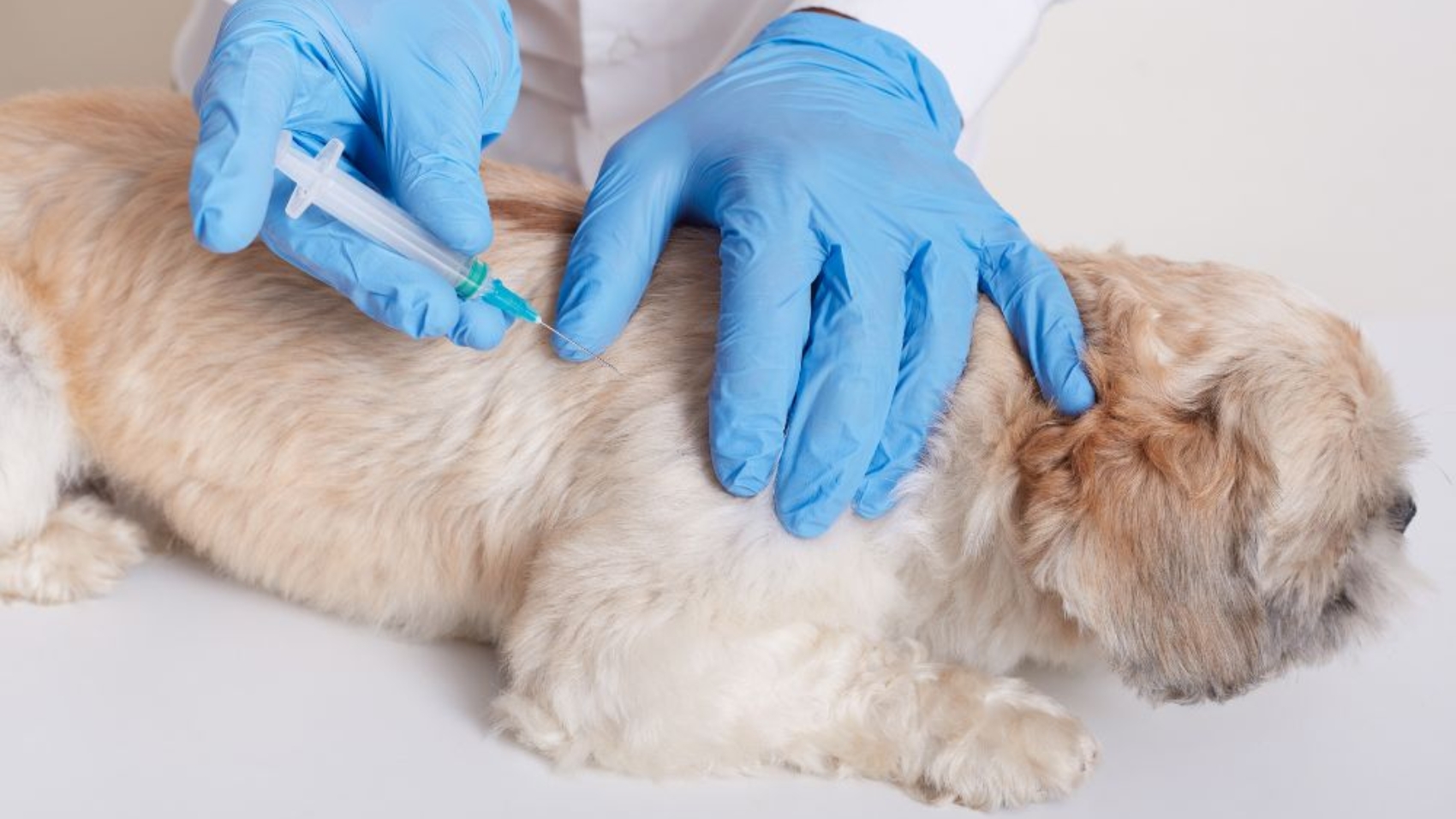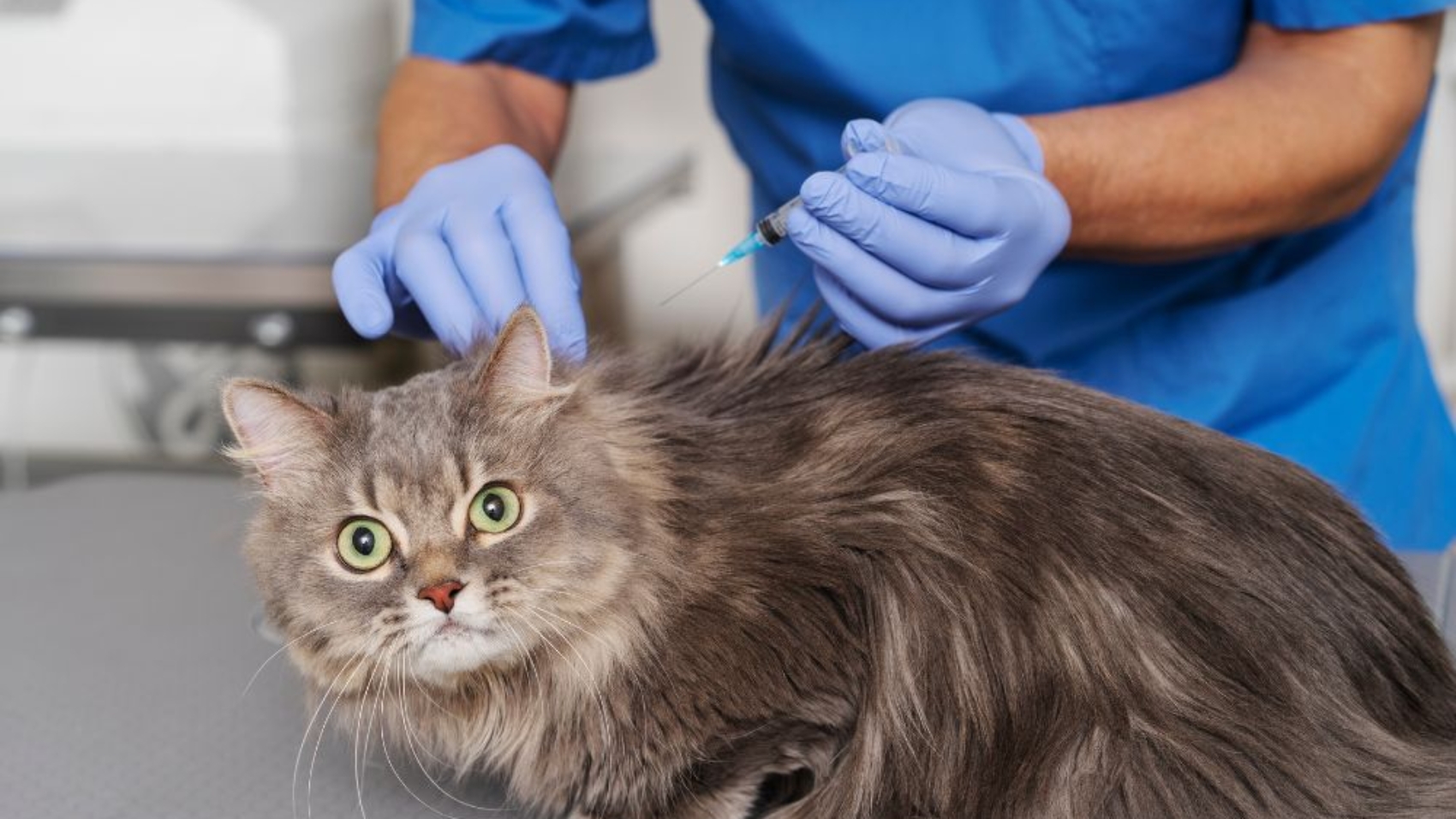
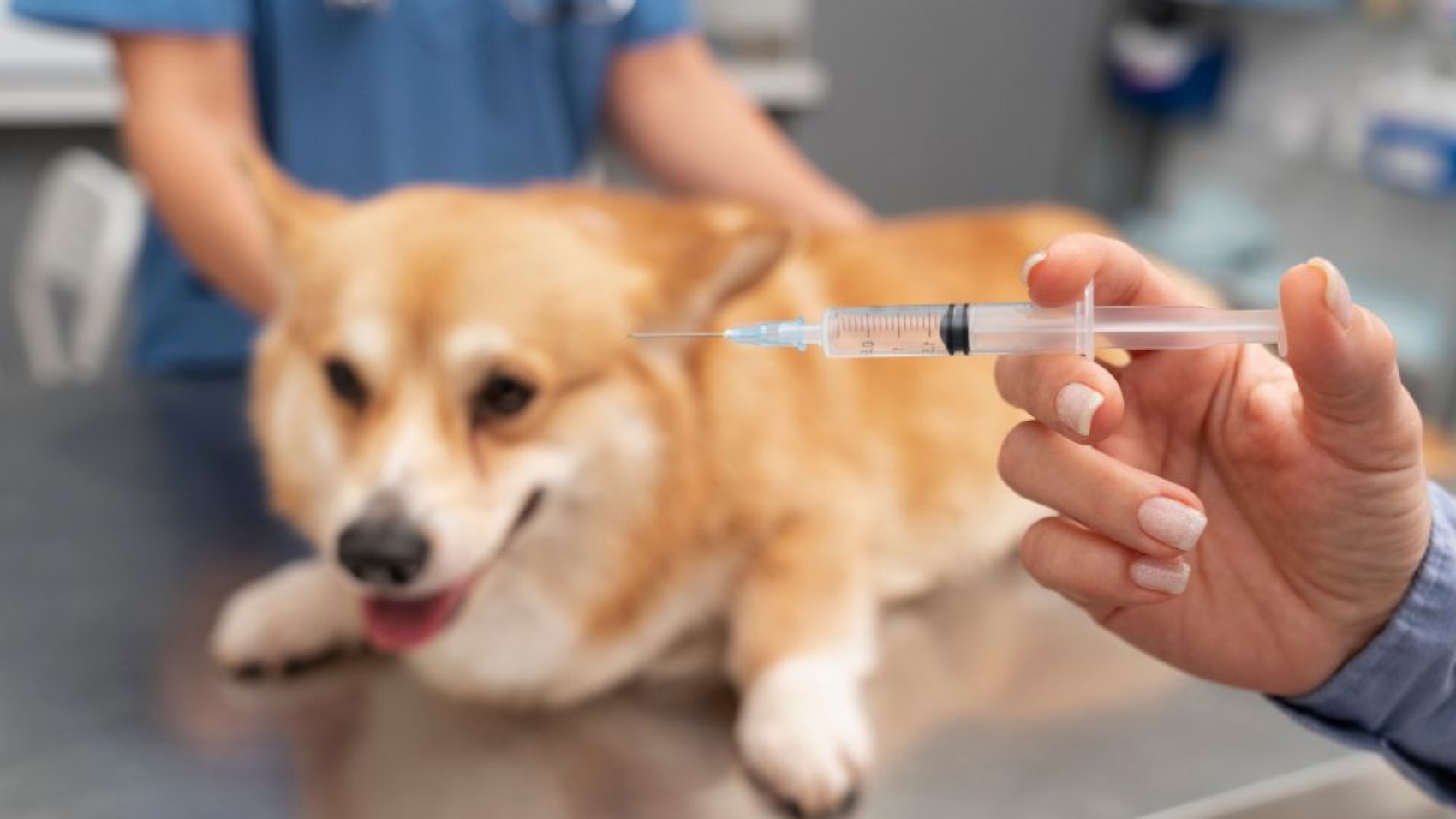
Vaccinations play a vital role in keeping dogs and cats healthy throughout their lives. Just like humans, pets are exposed to bacteria and viruses that can cause serious illness if left unprotected. Many of these diseases spread quickly, are difficult to treat, and can even be life-threatening. Vaccination is one of the safest and most effective ways to protect pets from these risks and ensure they live long, active lives.
Understanding What Vaccinations Do
Vaccines work by preparing your pet’s immune system to recognize and fight harmful infections. When a vaccine is given, it introduces a small, safe component of a disease-causing organism. This helps the immune system learn how to respond without making the pet sick.
If a vaccinated pet is later exposed to the actual disease, their body can respond quickly and effectively, often preventing illness altogether or reducing its severity.
Why Dogs and Cats Need Vaccinations
Dogs and cats are naturally curious and often come into contact with environments where viruses and bacteria exist. Parks, streets, grooming centers, boarding facilities, and even brief interactions with other animals can increase the risk of infection.
Vaccinations are especially important because:
- Some diseases spread through the air or contaminated surfaces
- Others are transmitted through bites or close contact
- Certain infections can survive in the environment for long periods
Without vaccination, pets are much more vulnerable to these threats.
Common Diseases Prevented Through Vaccination
Vaccines help protect pets from several dangerous and contagious diseases. In dogs, vaccination helps prevent conditions such as rabies, distemper, parvovirus, and hepatitis. These diseases can cause severe symptoms including vomiting, diarrhea, breathing problems, neurological issues, and in many cases, death.
For cats, vaccinations protect against illnesses like panleukopenia, calicivirus, herpesvirus, and rabies. These infections can lead to fever, respiratory problems, weakness, and long-term health complications.
Many of these diseases have no cure, making prevention through vaccination extremely important.
How Vaccinations Support Long-Term Health
Vaccinated pets are more likely to grow into healthy adults and enjoy better quality of life as they age. By preventing severe infections, vaccines reduce the risk of long-term damage to vital organs such as the heart, lungs, liver, and kidneys.
Regular vaccination also:
- Lowers the chances of recurring illness
- Reduces medical expenses related to emergency treatment
- Helps pets recover faster if exposed to illness
Healthy pets are more energetic, playful, and comfortable in their daily routines.
Protecting Other Pets and People
Vaccination does not only protect individual pets—it also helps protect the wider community. When more pets are vaccinated, the spread of contagious diseases is reduced. This concept, known as herd protection, is especially important for young puppies, kittens, senior pets, or animals with weaker immune systems.
Some diseases, such as rabies, can also be transmitted to humans. Keeping pets vaccinated helps protect families and communities from serious health risks.
Vaccination Schedules and Timely Boosters
Pets usually begin receiving vaccinations at a young age, followed by booster doses at specific intervals. These boosters are essential to maintain immunity over time, as protection can weaken if vaccinations are delayed or missed.
Veterinarians create vaccination schedules based on:
- Age and species
- Lifestyle and exposure risk
- Local disease prevalence
Following the recommended schedule ensures pets remain protected throughout different life stages.
Addressing Common Concerns About Vaccines
Some pet owners worry about vaccine side effects. In most cases, vaccines are very safe and well-tolerated. Mild reactions such as slight swelling at the injection site or temporary tiredness may occur, but serious reactions are rare.
The risk of severe illness from preventable diseases is far greater than the risk of side effects. Veterinarians carefully assess each pet’s health before vaccination to ensure safety.
Vaccinations as Part of Preventive Care
Vaccination is an essential part of preventive pet care. Regular vet visits for vaccinations also allow early detection of health issues that may not be obvious at home. These checkups provide an opportunity to discuss diet, behavior, grooming, and overall wellness.
Preventive care helps pets stay healthier for longer and reduces the likelihood of sudden medical emergencies.
Helping Pets Live a Safer, Happier Life
Vaccinated pets are better protected in social settings such as parks, boarding facilities, and grooming centers. Owners can enjoy peace of mind knowing their pets are safe while interacting with other animals or exploring new environments.
This protection allows pets to live more active, social, and fulfilling lives.
Final Thoughts
Vaccinations are one of the most important steps pet owners can take to protect dogs and cats from serious diseases. By strengthening the immune system, preventing the spread of infection, and supporting long-term health, vaccines play a key role in responsible pet care.
Staying up to date with vaccinations helps ensure pets live healthier, happier lives while also protecting other animals and people around them. Making vaccination a priority is a simple yet powerful way to show care and commitment to your pet’s well-being.
Don’t miss: Best Veterinary Consultants for Pet Grooming, Diet, and Health Advice in Delhi