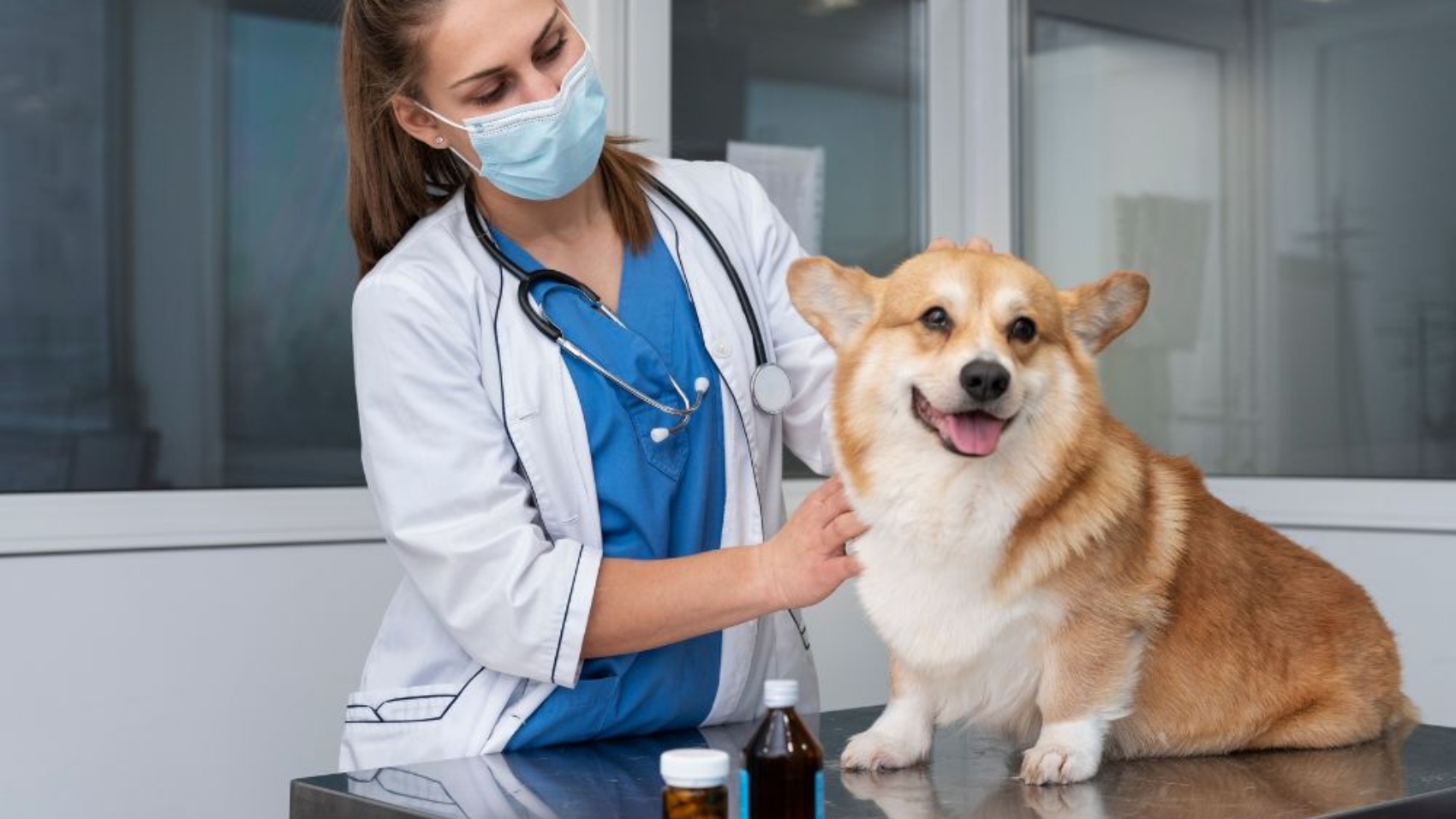
Senior Pet Care How Veterinary Clinics Can Help Your Aging Pet

Senior Pet Care: How Veterinary Clinics Can Help Your Aging Pet

As our beloved pets grow older, their needs begin to change in ways that may not always be obvious. Just like humans, senior pets require extra care, attention, and regular health monitoring to maintain a good quality of life. Aging can bring challenges such as reduced mobility, chronic illnesses, and changes in behavior. This is where veterinary clinics play a crucial role. With professional guidance, advanced diagnostics, and compassionate care, veterinary clinics can help ensure your aging pet stays healthy, comfortable, and happy in their golden years.

1. Regular Health Check-Ups

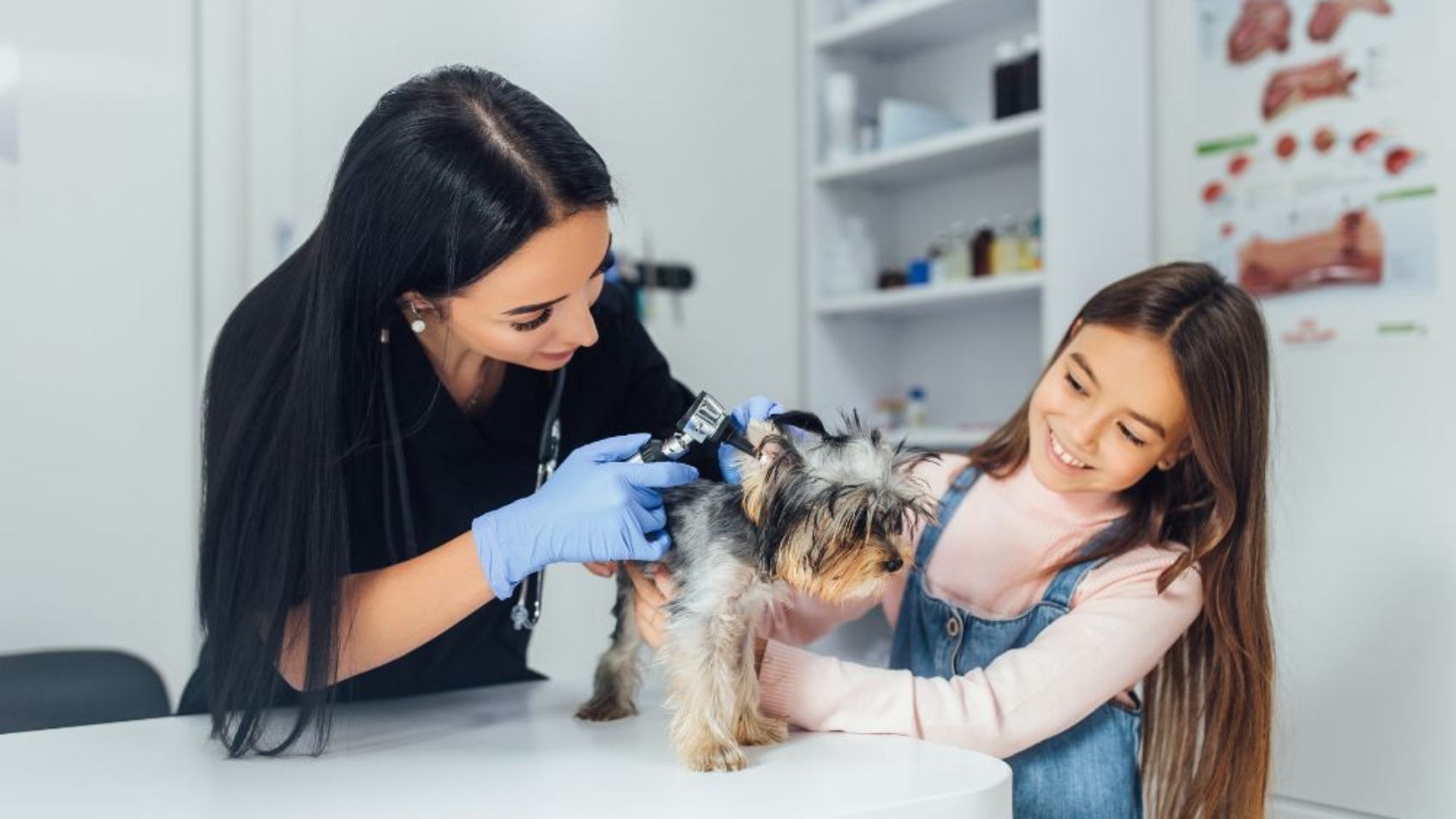
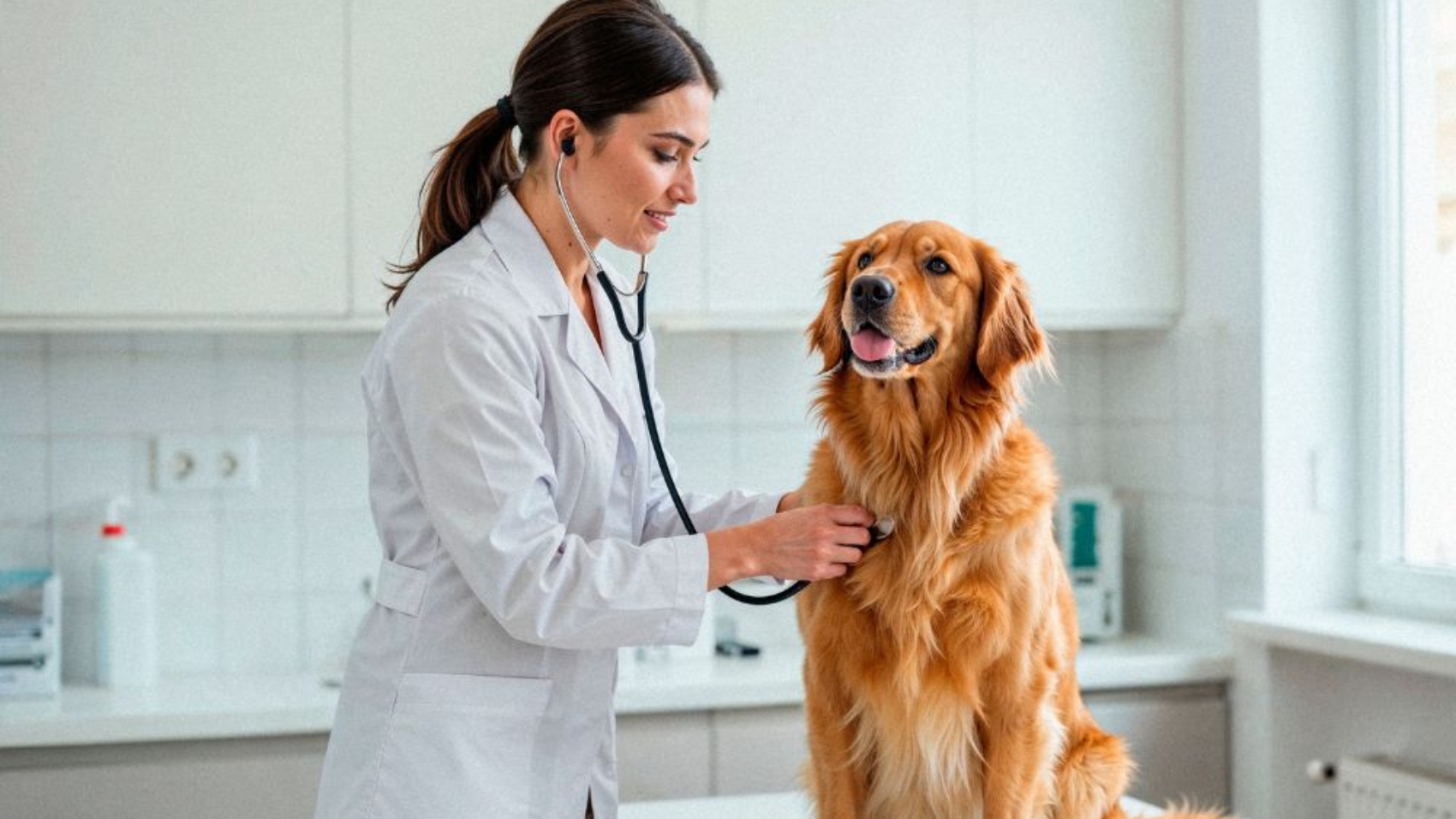
Routine veterinary visits become even more important as pets age. Senior pets are more prone to health conditions like arthritis, diabetes, kidney disease, and heart issues. Veterinary clinics offer comprehensive health check-ups that include physical examinations, blood tests, and screenings. Early detection of diseases can make a significant difference in treatment outcomes and can help extend your pet’s lifespan.

2. Personalized Nutrition Plans

Older pets often require a change in diet to support their aging bodies. Veterinary clinics can recommend balanced, age-appropriate nutrition plans based on your pet’s breed, size, and medical condition. Whether your pet needs weight management, joint support, or specialized food for kidney care, a vet can guide you toward the best options.

3. Pain Management and Mobility Support

Aging pets frequently experience joint pain and stiffness, especially in conditions like arthritis. Veterinary clinics provide pain management solutions such as medications, supplements, and physical therapy. Some clinics even offer rehabilitation services like hydrotherapy to improve mobility and reduce discomfort.

4. Dental Care

Dental health is often overlooked but is critical for senior pets. Poor oral hygiene can lead to infections and other serious health issues. Veterinary clinics offer professional dental cleaning, oral exams, and treatments to ensure your pet’s teeth and gums remain healthy.

5. Preventive Care and Vaccinations

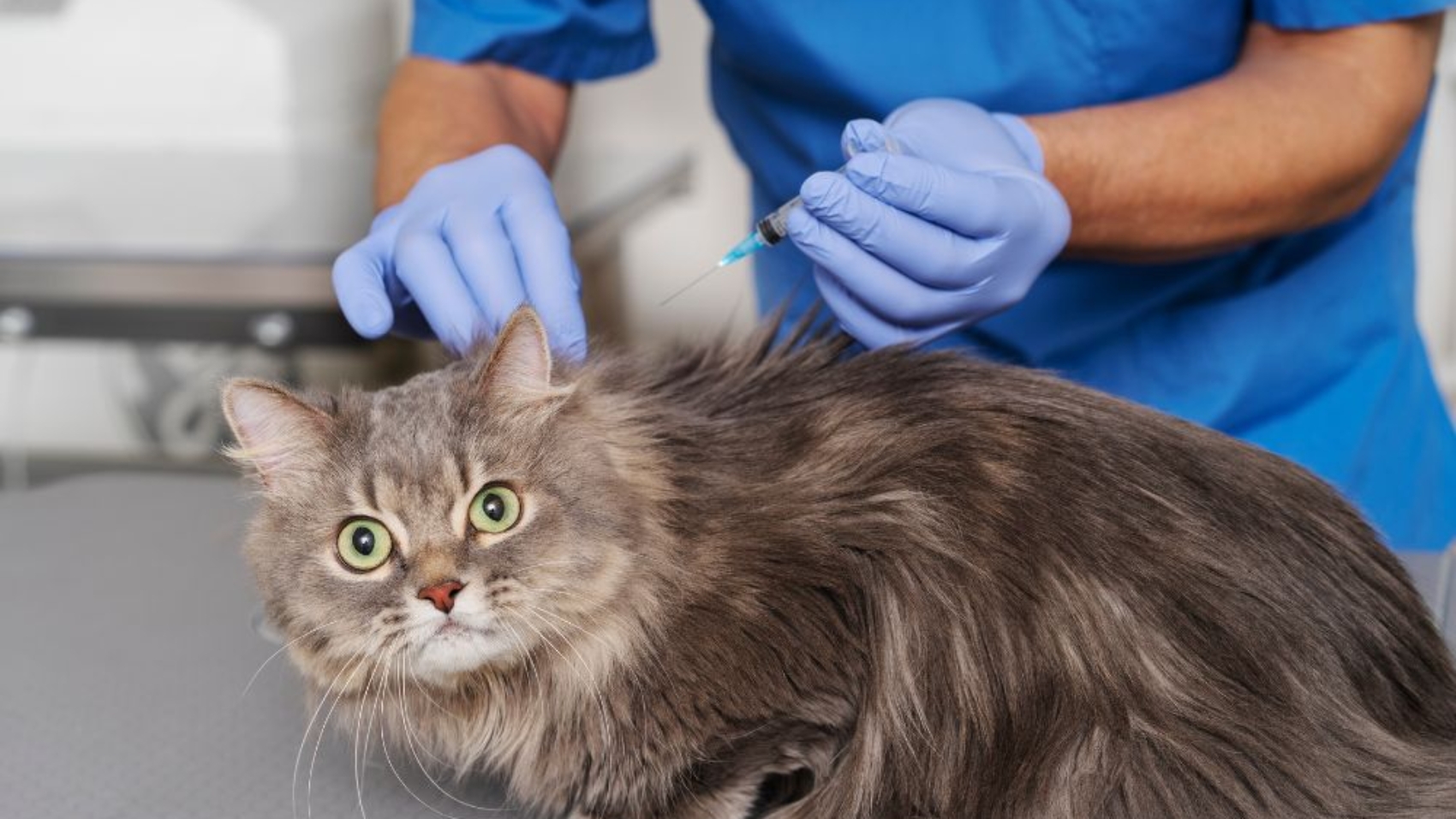
Even in their senior years, pets still need protection from infections and diseases. Veterinary clinics provide updated vaccination schedules, parasite control, and preventive care plans. This helps reduce the risk of illness and keeps your pet protected.

Benefits and Features of Veterinary Care for Senior Pets

One of the biggest benefits of visiting a veterinary clinic is access to expert knowledge and advanced medical care. Veterinarians understand the specific needs of aging pets and can create tailored treatment plans. Clinics are equipped with modern diagnostic tools that help detect health issues early, often before symptoms become severe.

Another important feature is continuous monitoring. Regular visits allow vets to track changes in your pet’s health over time. This ongoing care ensures that any new concerns are addressed quickly and effectively. Additionally, veterinary clinics provide emotional support to pet owners, helping them make informed decisions about their pet’s care.

Comfort and quality of life are also major priorities. From managing chronic pain to improving mobility, veterinary clinics focus on making your pet’s daily life as comfortable as possible. This holistic approach ensures that your pet not only lives longer but also enjoys a better quality of life.

Tips for Caring for Your Senior Pet

Caring for an aging pet at home is just as important as regular vet visits. Start by creating a comfortable living environment. Provide soft bedding, easy access to food and water, and avoid slippery floors to prevent falls.

Pay close attention to any changes in behavior, appetite, or energy levels. Even small changes can indicate underlying health issues. Regular grooming is also essential, as older pets may have difficulty maintaining their coat.

Exercise should be gentle but consistent. Short walks and light playtime can help maintain mobility without putting too much strain on your pet’s body. Always consult your vet before introducing new activities.

Maintain a balanced diet and avoid feeding table scraps that could harm your pet’s health. Stick to vet-recommended food and ensure your pet stays hydrated.

Lastly, give your pet plenty of love and attention. Emotional well-being is just as important as physical health, especially in their senior years.

Conclusion

Senior pets bring years of love, loyalty, and companionship into our lives, and they deserve the best care as they age. Veterinary clinics play a vital role in supporting their health through regular check-ups, personalized care plans, and advanced treatments. By combining professional veterinary care with attentive home practices, you can ensure your aging pet enjoys a comfortable, healthy, and happy life. Taking proactive steps today can make a meaningful difference in your pet’s golden years, allowing you to cherish every moment together.

For trusted and compassionate senior pet care services, you can rely on Billu & Bella to support your pet’s health and happiness at every stage of life.

Don’t miss: How to Choose the Right Exotic Pet Treatment: Complete Guide
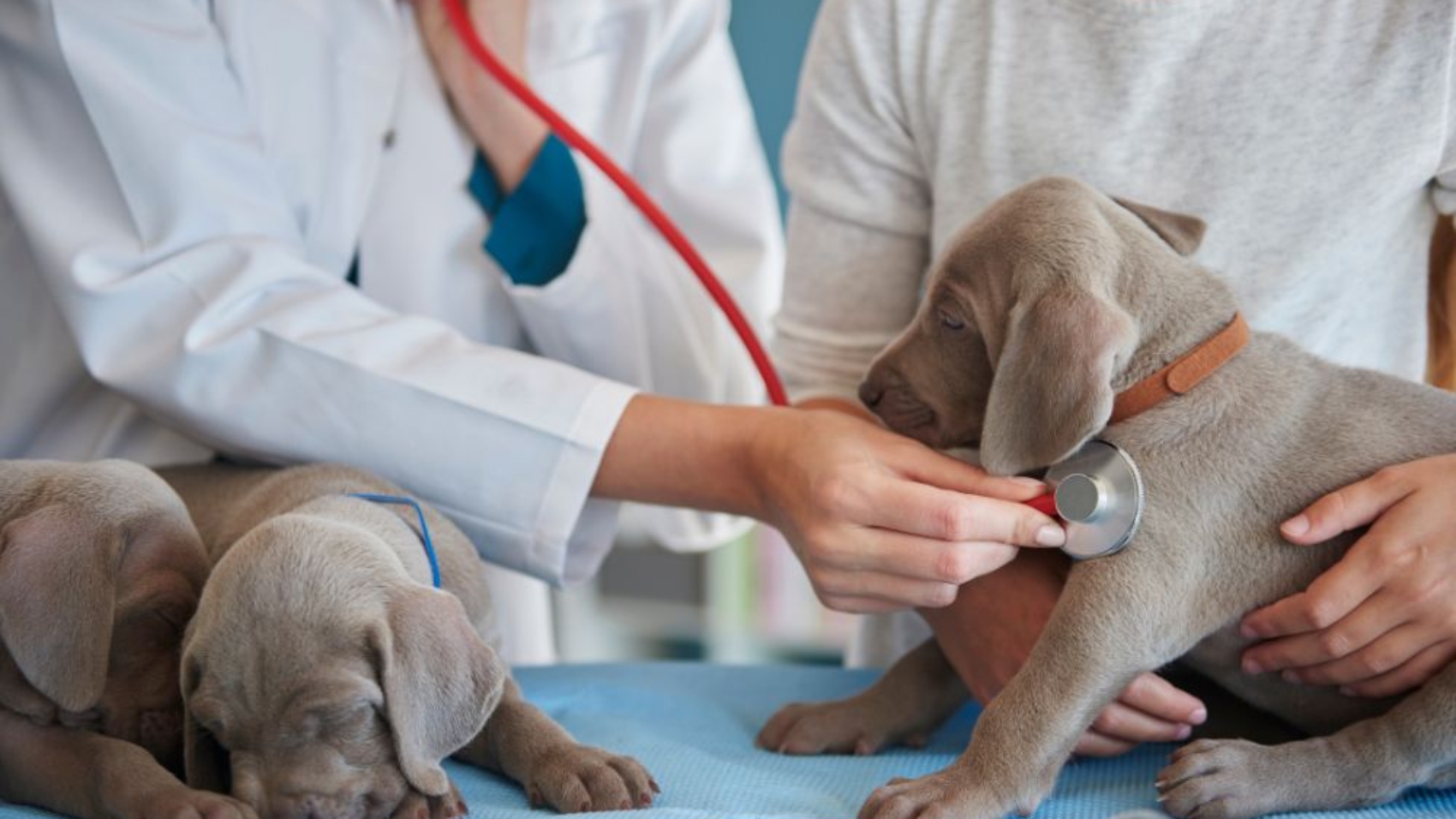
How Regular Vet Checkups Keep Your Pet Healthy and Happy

How Regular Vet Checkups Keep Your Pet Healthy and Happy

Regular veterinary checkups are a key part of responsible pet care. While daily love and attention keep pets emotionally happy, routine visits to a veterinarian help protect their physical health and prevent serious medical issues. These checkups focus on prevention, early diagnosis, and long-term wellness, ensuring your pet enjoys a healthy and comfortable life.

Early Detection of Health Issues

Many health problems in pets develop quietly without obvious symptoms. Regular vet checkups allow veterinarians to examine your pet thoroughly and identify early signs of illness before they become serious.

During routine exams, vets check:

  • Heart and lung function
  • Eyes, ears, and skin condition
  • Weight changes and mobility
  • Internal organ health

Early diagnosis means quicker treatment, reduced discomfort, and better recovery outcomes.

Preventive Care That Protects Long-Term Health

Preventive care is one of the most valuable benefits of routine vet visits. Vaccinations, health screenings, and parasite prevention help protect pets from dangerous diseases.

Regular checkups help ensure:

  • Vaccinations are given on time
  • Flea, tick, and worm control is maintained
  • Health risks are managed early

This proactive approach keeps pets healthier and reduces emergency medical situations.

Maintaining a Healthy Weight and Diet

Weight problems can affect a pet’s overall health and quality of life. During vet visits, weight and body condition are monitored to prevent obesity or nutritional deficiencies.

Veterinarians provide guidance on:

  • Appropriate food choices
  • Portion sizes and feeding schedules
  • Nutritional needs based on age and activity

Proper nutrition supports energy levels, digestion, and immune strength.

Dental Health and Oral Care Support

Dental disease is one of the most common health issues in pets. Regular vet checkups include oral examinations to detect plaque, gum disease, and tooth infections.

Good dental care:

  • Prevents pain and discomfort
  • Reduces the risk of infections
  • Supports heart and organ health

Veterinarians also recommend effective at-home dental care routines.

Monitoring Behavioral and Lifestyle Changes

Changes in behavior often signal health or emotional concerns. Regular checkups provide an opportunity to discuss changes such as reduced activity, appetite loss, or anxiety.

Vets help identify whether these changes are related to:

  • Medical conditions
  • Aging-related discomfort
  • Environmental or routine changes

Early intervention improves emotional wellbeing and daily comfort.

Customized Care for Every Life Stage

Pets require different levels of care throughout their lives. Routine vet visits ensure that health plans are adjusted as your pet grows and ages.

  • Puppies and kittens: growth monitoring and vaccinations
  • Adult pets: wellness exams and disease prevention
  • Senior pets: joint care, organ monitoring, and comfort support

Tailored care improves longevity and quality of life.

Building Trust Between Pets and Veterinarians

Consistent visits help pets become familiar with the clinic environment, reducing fear and stress. A trusted relationship with a veterinarian allows for better communication and smoother care during future visits.

Pets that are comfortable with vet visits experience less anxiety during examinations and treatments.

Peace of Mind for Pet Parents

Regular vet checkups give pet parents confidence that their pet’s health is being properly monitored. Instead of reacting to emergencies, owners can focus on prevention and wellness.

This proactive approach leads to fewer health scares and more joyful moments with your pet.

Final Thoughts

Routine veterinary checkups are essential for keeping pets healthy, active, and happy. From preventive care and nutrition guidance to behavioral monitoring and dental health, regular vet visits support every aspect of your pet’s wellbeing.

Making vet checkups a regular part of your pet’s routine is one of the best ways to ensure a long, healthy, and happy life together.

Don’t miss: How Local Pet Stores Can Help You Pick the Right Diet for Your Pet

How Local Pet Stores Can Help You Pick the Right Diet for Your Pet

How Local Pet Stores Can Help You Pick the Right Diet for Your Pet

Choosing the right food for your pet is one of the most important responsibilities of a pet parent. With so many brands, ingredients, and diet trends available, selecting the best option can quickly become confusing. This is where local pet shop play a valuable role. Unlike online platforms, local pet stores offer personal guidance, trusted products, and real support to help you choose the right diet for your pet.

Understanding Your Pet’s Individual Nutritional Needs

Every pet has unique dietary requirements based on age, breed, size, activity level, and health condition. Puppies and kittens need nutrient-rich food for growth, while adult pets require balanced nutrition to maintain energy and immunity. Senior pets often need diets that support digestion, joints, and weight management.

Local pet store professionals take the time to understand your pet’s specific needs before recommending food. This personalized approach helps pet parents make informed decisions instead of relying on guesswork.

Expert Guidance You Can Speak To in Person

One of the biggest advantages of visiting a local pet store is direct access to knowledgeable staff. Many store owners and team members have hands-on experience with pet nutrition and stay updated on feeding guidelines, ingredient safety, and dietary trends.

They can explain:

  • The difference between puppy, adult, and senior pet food
  • Suitable protein sources for dogs and cats
  • Grain-free vs. grain-inclusive diets
  • Food options for pets with allergies or sensitivities

This face-to-face guidance builds confidence and trust.

Access to Quality and Vet-Recommended Pet Food

Local pet stores often focus on quality rather than quantity. Instead of stocking countless unknown brands, they carefully select pet food that meets nutritional standards and safety guidelines. Many stores carry vet-recommended dog and cat food that supports overall health and wellness.

Because these stores work closely with suppliers and veterinary professionals, pet parents can trust the authenticity and freshness of the products they buy.

Help with Special Diets and Medical Needs

Pets with specific health concerns require special dietary care. Whether your pet struggles with obesity, digestion problems, skin issues, or food allergies, local pet stores can help you find suitable options.

Staff can assist with:

  • Prescription or therapeutic diets
  • Weight-control food
  • Sensitive stomach formulas
  • Supplements recommended by veterinarians

This level of support is rarely available through online shopping.

Guidance on Safe Food Transitions

Changing your pet’s diet suddenly can lead to stomach upset. Local pet store experts can guide you on how to transition food safely and gradually. They provide clear instructions on portion sizes, feeding schedules, and mixing ratios to ensure your pet adapts comfortably to the new diet.

This guidance reduces the risk of digestive issues and feeding mistakes.

Honest Advice Instead of Sales Pressure

Local pet stores depend on trust and long-term relationships, not quick sales. Their recommendations are usually based on experience, customer feedback, and genuine concern for your pet’s health.

They are also quick to inform customers about product recalls, ingredient changes, or feeding concerns—something online platforms may not communicate effectively.

Supporting Local Pet Stores Strengthens Pet Care Communities

When you shop locally, you support small businesses and contribute to a stronger pet care network. Many local pet stores collaborate with nearby veterinary clinics, groomers, and animal welfare groups, creating a complete support system for pet parents.

This sense of community adds value beyond just buying pet food.

Final Thoughts

Local pet stores play an essential role in helping pet parents choose the right diet with confidence. From expert guidance and trusted products to personalized support and honest advice, they offer benefits that online shopping cannot replace.

If you’re unsure about your pet’s diet, visiting a local pet store can be a simple yet effective step toward better nutrition and a healthier, happier pet.

Don’t miss: How to Choose the Right Food for Your Dog or Cat

What Happens If Pet Vaccinations Are Missed or Delayed

What Happens If Pet Vaccinations Are Missed or Delayed

Vaccinations are a critical part of responsible pet care. They protect pets from potentially life-threatening diseases, help prevent the spread of infections, and support overall community health. However, many pet parents delay or miss vaccinations due to busy schedules, forgetfulness, or confusion about their importance. Skipping timely pet vaccination in Dwarka can lead to serious health risks for your pet, increase exposure to preventable diseases, and even put other animals and household members at risk.

Why Vaccinations Are Important for Pets

Vaccines work by stimulating a pet’s immune system to develop protection against specific diseases. For dogs and cats, vaccines prevent illnesses such as rabies, parvovirus, distemper, feline leukemia, and more. Regular vaccination schedules are designed to give pets optimal immunity at each stage of their life.

Benefits of Vaccination

  1. Disease Prevention: Vaccines protect against fatal and contagious diseases.
  2. Community Protection: Vaccinated pets reduce the risk of spreading diseases to other animals.
  3. Legal Compliance: In many places, rabies vaccination is mandatory for dogs and cats.
  4. Cost Savings: Preventing disease is far less expensive than treating it later.

Common Reasons Pet Vaccinations Are Missed or Delayed

Even well-meaning pet parents sometimes fall behind on vaccination schedules. Some common reasons include:

  • Forgetting vaccination dates or losing track of schedules.
  • Concerns about vaccine safety or side effects.
  • Financial constraints or limited access to veterinary care.
  • Believing indoor pets do not need vaccines.

While some of these concerns are understandable, delaying vaccines can put pets at risk.

Immediate Health Risks of Missing Vaccines

When vaccinations are missed or delayed, pets lose the immunity they need to fight off dangerous infections. This can lead to:

  1. Increased Susceptibility to Diseases: Unvaccinated pets are at higher risk for infections such as parvovirus, distemper, and feline leukemia. These diseases can be severe or fatal.
  2. Complications and Severe Illness: Many preventable diseases progress rapidly and may require hospitalisation, intensive care, or long-term treatment.
  3. Longer Recovery Periods: Pets who contract preventable diseases often take longer to recover and may experience chronic health issues.

Long-Term Consequences of Delayed Vaccinations

Delaying or missing vaccines can lead to long-term consequences that extend beyond just immediate health concerns.

  • Spread of Contagious Diseases: Unvaccinated pets can transmit illnesses to other pets in the community, including at parks, boarding facilities, and daycare.
  • Higher Medical Costs: Treating preventable diseases is significantly more expensive than routine vaccination.
  • Legal and Travel Issues: Rabies and other vaccination certificates are often required for boarding, travel, or participation in pet events. Missing vaccines may restrict your pet’s access.

Signs Your Pet Might Be at Risk

If your pet has missed vaccinations or you are unsure about their status, watch for:

  • Frequent lethargy or low energy
  • Loss of appetite
  • Unexplained fever or swelling
  • Persistent vomiting or diarrhea
  • Unusual coughing or sneezing

These signs do not always indicate a vaccine-preventable disease, but they highlight the need for immediate veterinary attention.

Catching Up on Missed Vaccinations

If you’ve missed a scheduled vaccine, don’t panic. Most veterinary clinics offer catch-up vaccination plans to safely bring your pet up to date. Veterinarians will:

  • Review your pet’s medical history
  • Assess any risks based on age, breed, or health condition
  • Administer missed vaccines according to a safe, tailored schedule

Regular follow-ups after catch-up vaccinations help ensure full protection.

Tips for Staying on Track With Vaccinations

  1. Set Reminders: Use phone alerts, calendars, or clinic-provided schedules to track vaccination dates.
  2. Keep a Health Record: Maintain a physical or digital record of vaccines, boosters, and vet visits.
  3. Consult Your Vet: Discuss vaccine intervals and booster needs to avoid confusion.
  4. Don’t Skip Vaccines for Indoor Pets: Many diseases can spread via visitors, stray animals, or contaminated surfaces.

Final Thoughts

Vaccinations are a cornerstone of responsible pet ownership. Missing or delaying them increases the risk of serious illness, spreads disease within the community, and may create legal or logistical challenges. Keeping your pet up to date with vaccines is not just about compliance it is about ensuring their long-term health, comfort, and happiness.

Why Pet Parents Trust Billu & Bella for Vaccinations

At Billu & Bella Pet Clinic 24×7, pet care is planned with exactness and control, keeping each pet’s age, multiply, and medical background in mind. Our veterinarian team follows strict safety protocols while manage vaccines and ensures pet parents clearly understand booster timelines and ongoing preventive needs. Backed by 24-hour availability and a calm, pet-friendly atmosphere, pet clinic in dwarka plays a key role in protection pets from preventable diseases and carry their long-term health and well-being.

Don’t miss: Professional Grooming vs Home Grooming – What’s Better?

Common Mistakes Pet Parents Make While Ignoring Vet Visits

Common Mistakes Pet Parents Make While Ignoring Vet Visits

Many pet parents genuinely care for their animals but unknowingly overlook regular veterinary visits. Pets cannot clearly communicate discomfort or illness, which means skipping routine check-ups often leads to health problems being discovered too late. Ignoring vet visits is one of the most common and costly mistakes pet owners make. Understanding these mistakes can help prevent unnecessary suffering and ensure a healthier life for your pet.

Assuming “No Symptoms” Means “No Health Issues”

One of the biggest misconceptions pet parents have is believing that if their pet looks active and eats well, they must be healthy. In reality, many medical conditions such as kidney disease, dental infections, parasites, and internal disorders develop silently.

Regular veterinary check-ups help detect hidden health issues before visible symptoms appear. Skipping these visits allows minor problems to progress into serious conditions that require extensive treatment.

Visiting the Vet Only During Emergencies

Many pet owners take their pets to the vet only when there is an obvious injury or severe illness. While emergency care is crucial, relying solely on emergency visits is risky.

Routine vet visits help prevent emergencies by identifying health concerns early. Preventive care, vaccinations, and health screenings significantly reduce the chances of sudden medical crises and improve long-term outcomes.

Delaying Vaccinations and Preventive Care

Skipping or delaying vaccinations is a common mistake that exposes pets to preventable diseases. Infections such as parvovirus, rabies, and distemper can be life-threatening and often spread quickly.

Veterinary visits ensure pets follow a proper vaccination schedule and receive parasite control for fleas, ticks, and worms. Preventive care is far safer, less stressful, and more affordable than treating advanced disease.

Ignoring Dental Health Check-Ups

Dental care is often overlooked by pet parents. Bad breath, gum redness, and plaque buildup are frequently ignored until serious pain or infection develops.

Regular vet visits include oral examinations that help detect dental disease early. Untreated dental issues can lead to infections spreading to vital organs such as the heart and kidneys, affecting overall health.

Relying on Home Remedies or Online Advice

The internet is full of pet care advice, but not all information is accurate or safe. Many pet parents attempt home remedies or delay vet visits based on online suggestions.

Only a qualified veterinarian can provide an accurate diagnosis and appropriate treatment. Relying on unverified advice can worsen conditions, delay proper care, and sometimes cause irreversible harm.

Skipping Follow-Up Visits and Monitoring

After treatment, some pet parents stop follow-up visits once symptoms improve. This can be dangerous, as incomplete treatment may lead to recurring or resistant infections.

Follow-up visits allow veterinarians to monitor recovery, adjust medications, and ensure the condition is fully resolved. Skipping them increases the risk of complications and long-term health issues.

Underestimating Age-Related Health Needs

As pets age, their healthcare needs change. Many pet parents assume slower movement or appetite changes are “normal ageing” and avoid vet visits.

Regular check-ups for senior pets help detect arthritis, organ issues, vision problems, and hormonal disorders early. Proper monitoring can significantly improve comfort and quality of life in older pets.

Letting Fear or Cost Delay Vet Visits

Some pet parents avoid vet visits due to fear fear of bad news, treatment costs, or stressful experiences for their pets. Unfortunately, delaying care often leads to higher costs and more invasive treatment later.

Early veterinary care is usually simpler, less expensive, and more effective. Choosing a trusted clinic also helps reduce stress for both pets and owners.

Final Thoughts

Ignoring regular vet visits is a mistake that often comes from misunderstanding, not neglect. However, consistent veterinary care plays a vital role in preventing disease, managing health, and extending your pet’s life. Routine check-ups, vaccinations, and professional guidance ensure your pet stays healthy, comfortable, and happy for years to come.

How Billu & Bella Supports Responsible Pet Care

Billu & Bella promotes regular vet visits and preventive care to help pets stay healthy and thrive at every stage of life. Our experienced veterinarians provide thorough check-ups, vaccinations, dental care, and emergency support in a calm and pet-friendly environment. Focused on prompt diagnosis and thoughtful treatment, Billu & Bella empowers pet parents to take the right steps for their pet’s long-term well-being.

Don’t miss: Why Choosing the Right Pet Care Clinic Is Important for Your Pet

Why Choosing the Right Pet Care Clinic Is Important for Your Pet

Why Choosing the Right Pet Care Clinic Is Important for Your Pet

Pets rely entirely on their owners to make the right health decisions for them. Since they cannot describe pain or illness, choosing the pet clinic in dwarka becomes one of the most important responsibilities of a pet parent. A well-chosen clinic not only treats sickness but also supports your pet’s long-term health, comfort, and emotional well-being.

Not All Pet Care Clinics Are the Same

Every pet clinic operates differently in terms of medical standards, experience, and quality of care. While some clinics focus only on basic treatment, others follow structured healthcare protocols and preventive approaches. Choosing the right clinic ensures your pet receives consistent, professional, and safe treatment rather than temporary solutions or guesswork.

Regular Health Check-Ups Help Catch Problems Early

Many pet health issues start with mild or hidden symptoms. Skin allergies, dental disease, internal infections, and joint pain often go unnoticed until they become serious. A reliable pet care clinic encourages routine check-ups and vaccinations to monitor your pet’s health over time.

Early detection allows veterinarians to treat conditions before they worsen, reducing discomfort for your pet and preventing expensive or complex medical procedures later.

Emergency Readiness Can Save Your Pet’s Life

Medical emergencies can occur at any time, whether due to accidents, sudden illness, or unexpected reactions. In such moments, immediate veterinary care is crucial. The right pet care clinic is prepared with trained staff, emergency equipment, and clear protocols to handle critical cases.

Knowing that your clinic can respond quickly during emergencies gives pet parents confidence and ensures pets receive timely, life-saving treatment.

Experienced Veterinarians Ensure Accurate Diagnosis

Veterinary experience plays a vital role in identifying and treating health issues correctly. Skilled veterinarians can recognise subtle symptoms, recommend appropriate tests, and design effective treatment plans.

The right clinic also believes in clear communication. When veterinarians explain conditions, medications, and recovery steps in simple terms, pet parents are better equipped to care for their pets at home.

Advanced Facilities Improve Treatment Quality

Modern veterinary care depends heavily on advanced diagnostic tools. Clinics with in-house blood tests, digital X-rays, ultrasound, and surgical facilities can diagnose health problems faster and more accurately.

Well-maintained equipment and hygienic treatment areas also reduce the risk of infection and improve recovery time, making treatment safer and more comfortable for pets.

A Calm and Pet-Friendly Environment Reduces Stress

Pets can feel anxious during clinic visits, especially when they are unwell. A noisy or chaotic environment can increase fear and make examinations difficult. A good pet care clinic focuses on creating a calm, clean, and pet-friendly atmosphere.

Gentle handling and patient staff help pets feel safe, allowing veterinarians to examine and treat them more effectively.

Continuity of Care Builds Long-Term Health Records

Visiting the same clinic regularly allows veterinarians to maintain a complete medical history for your pet. Long-term records help track health changes, manage ongoing conditions, and avoid repeated or unnecessary tests.

This continuity leads to personalised care, as veterinarians understand your pet’s behaviour, sensitivities, and medical background over time.

Ethical Practices and Transparency Build Trust

Trust is essential in veterinary care. The right pet clinic maintains transparency in pricing, treatment plans, and medical advice. Ethical clinics prioritise your pet’s well-being and avoid unnecessary procedures.

Open communication helps pet parents make informed decisions without pressure, strengthening trust between the clinic and the family.

Choosing the Right Clinic Is a Long-Term Commitment

Selecting the right pet care clinic is not just about convenience—it is an investment in your pet’s quality of life. A dependable clinic supports preventive care, emergency treatment, and senior pet health, ensuring your pet receives compassionate care throughout their life.

Why Pet Parents Choose Billu & Bella

At Billu & Bella, we believe pets deserve care rooted in compassion, expertise, and trust. Our clinic is dedicated to providing professional, round-the-clock veterinary care in a calm and pet-friendly environment. With experienced veterinarians, modern facilities, and a strong focus on preventive and emergency care, Billu & Bella stands as a reliable partner in your pet’s lifelong health journey.