How to Choose the Right Food for Your Dog or Cat

How to Choose the Right Food for Your Dog or Cat

Choosing the dog food store in Dwarka one of the most important decisions you will make as a pet parent. Nutrition directly affects your pet’s energy levels, immunity, digestion, coat health, and overall lifespan. With so many brands, ingredients, and feeding philosophies available today, it’s easy to feel confused. What works for one pet may not work for another, and marketing labels often make things even more complicated.

Understanding your pet’s unique needs and learning how to read food labels can help you make smarter, safer choices for long-term health.

Why the Right Nutrition Matters More Than You Think

Food is more than just fuel for pets. A balanced diet supports healthy growth, strong bones, good digestion, and disease resistance. Poor nutrition, on the other hand, can lead to obesity, allergies, digestive problems, skin issues, and weakened immunity.

Dogs and cats have different nutritional requirements. Dogs are omnivores and can digest a mix of proteins, grains, and vegetables, while cats are obligate carnivores and need animal-based protein to survive. Feeding the wrong type of food can cause serious deficiencies over time.

Consider Your Pet’s Age and Life Stage

The nutritional needs of pets change as they grow.

  • Puppies and kittens require high-calorie food with balanced protein, fats, vitamins, and minerals to support rapid growth.
  • Adult dogs and cats need maintenance diets that support daily activity without excess calories.
  • Senior pets benefit from food that supports joint health, digestion, and organ function with controlled fat and added supplements.

Always choose food that matches your pet’s current life stage. Feeding adult food to a growing puppy or kitten can slow development and weaken immunity.

Understand Your Pet’s Breed, Size, and Activity Level

Breed and size play a major role in dietary needs. Large-breed dogs need controlled calcium and phosphorus levels to support joint health, while small breeds often require energy-dense food due to faster metabolism.

Highly active dogs need more protein and calories, whereas indoor cats or less active pets require portion-controlled diets to prevent weight gain. Choosing food without considering activity level can quickly lead to obesity or nutritional imbalance.

Check the Ingredients, Not Just the Brand Name

One of the most important steps in choosing the right food is reading the ingredient list.

  • Look for named animal protein (like chicken, fish, lamb) as the first ingredient.
  • Avoid foods with excessive fillers, artificial colours, or unnamed meat by-products.
  • Cats require taurine, an essential amino acid found only in animal protein.
  • Dogs benefit from a balance of protein, carbohydrates, healthy fats, and fibre.

High-quality food supports better digestion, shinier coats, and stronger immunity over time.

Dry Food, Wet Food, or Fresh Diet – What’s Better?

Each type of pet food has its benefits:

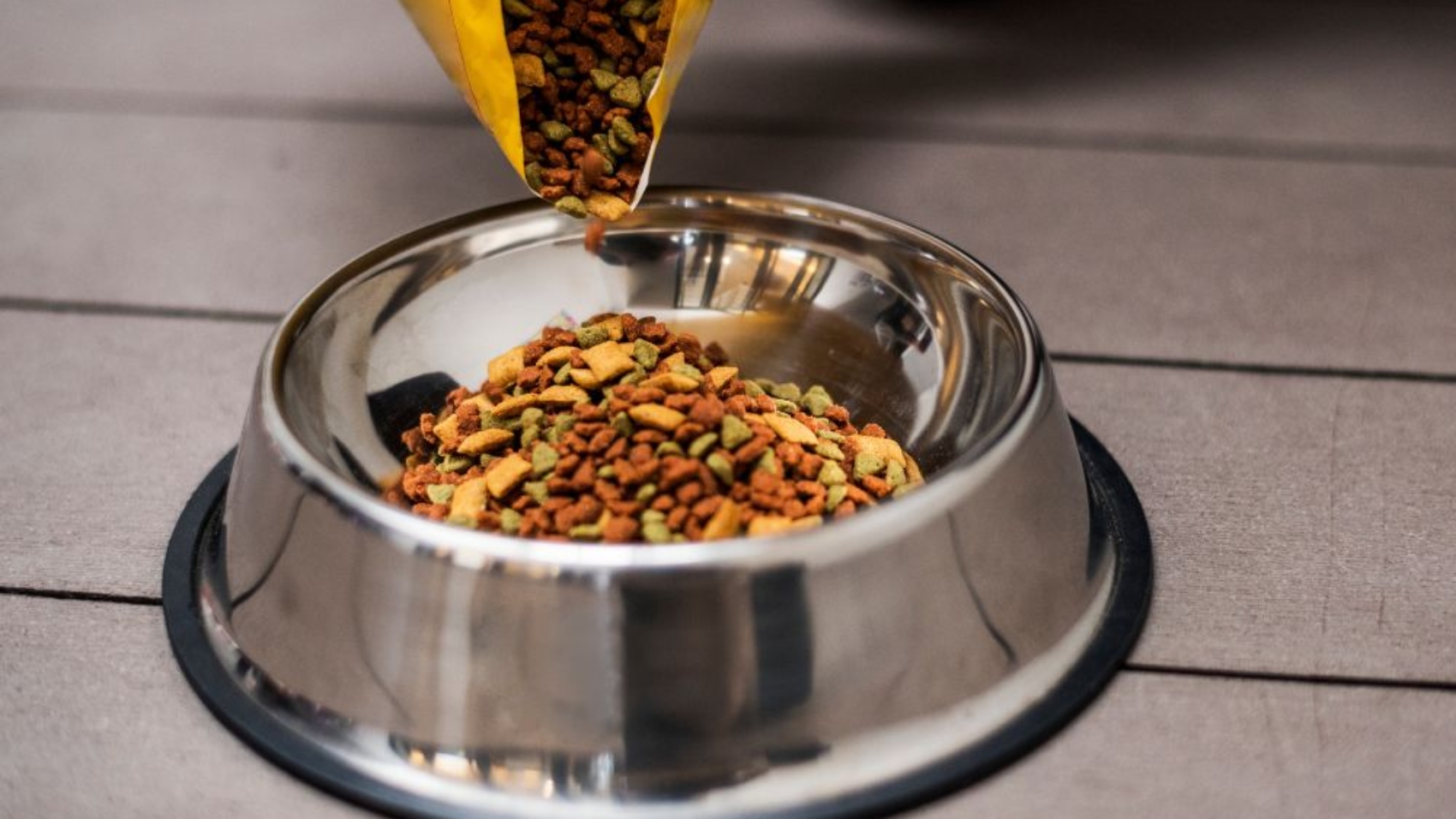
  • Dry food (kibble) is convenient, affordable, and helps maintain dental health.
  • Wet food offers better hydration and is often easier to eat for senior pets.
  • Fresh or home-style diets can be beneficial but should always be vet-approved to avoid deficiencies.

Many pet parents use a combination of dry and wet food to balance nutrition and taste preferences.

Special Dietary Needs Should Never Be Ignored

Some pets require specialised diets due to medical conditions such as allergies, kidney disease, digestive sensitivity, or obesity. In such cases, regular commercial food may not be suitable.

If your pet experiences frequent itching, vomiting, loose stools, or weight changes, consult a veterinarian before changing food. Prescription or therapeutic diets can significantly improve quality of life when chosen correctly.

Buy Food from Trusted and Knowledgeable Stores

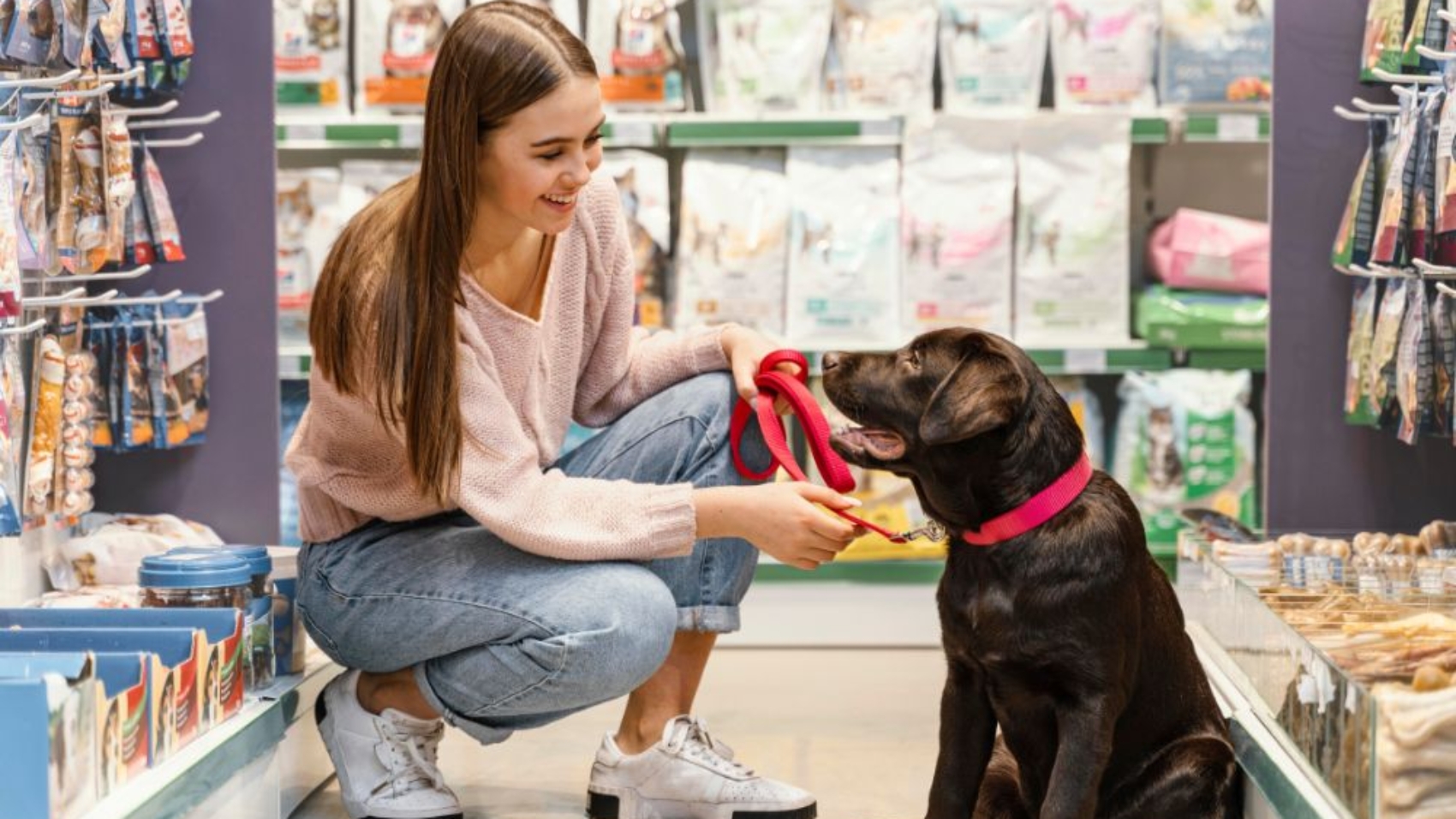
Where you buy your pet’s food matters almost as much as what you buy. Purchasing from a reliable dog food store in Dwarka ensures access to genuine brands, proper storage, and knowledgeable staff who can guide you based on your pet’s needs.

A good store can help you compare options, understand feeding quantities, and avoid low-quality or expired products. This guidance is especially helpful for first-time pet parents.

Don’t Forget Treats and Supplements

Treats are useful for training and bonding but should never replace balanced meals. Choose treats with simple ingredients and avoid excessive sugar or artificial additives.

Supplements such as omega fatty acids, joint support, or probiotics should only be added when necessary and preferably under veterinary guidance.

A well-stocked pet accessories shop in Dwarka often offers not only treats and supplements but also feeding bowls, storage containers, and portion-control tools that support healthy feeding habits.

Introduce New Food Gradually

Sudden food changes can upset your pet’s stomach. Always transition gradually over 7–10 days by mixing small amounts of the new food with the old one.

This slow change allows your pet’s digestive system to adjust and helps you monitor for allergies or intolerance.

Observe Your Pet’s Response

The best indicator of good nutrition is your pet’s overall condition. Healthy pets have steady energy levels, good appetite, shiny coats, firm stools, and stable weight.

If you notice negative changes after switching food, reassess your choice and consult a veterinarian.

Final Thoughts

Choosing the right food for your dog or cat is not about following trends or buying the most expensive brand. It’s about understanding your pet’s unique needs, reading labels carefully, and seeking guidance when needed. Quality nutrition supports every aspect of your pet’s life, from growth and immunity to mood and longevity.

Shopping from a trusted dog food store in Dwarka and a reliable pet accessories shop in Dwarka makes the process easier by giving you access to expert advice and genuine products. With the right food and informed choices, you can give your pet the healthy, happy life they deserve.

Don’t miss: Why Choosing the Right Pet Care Clinic Is Important for Your Pet

What Happens If Pet Vaccinations Are Missed or Delayed

What Happens If Pet Vaccinations Are Missed or Delayed

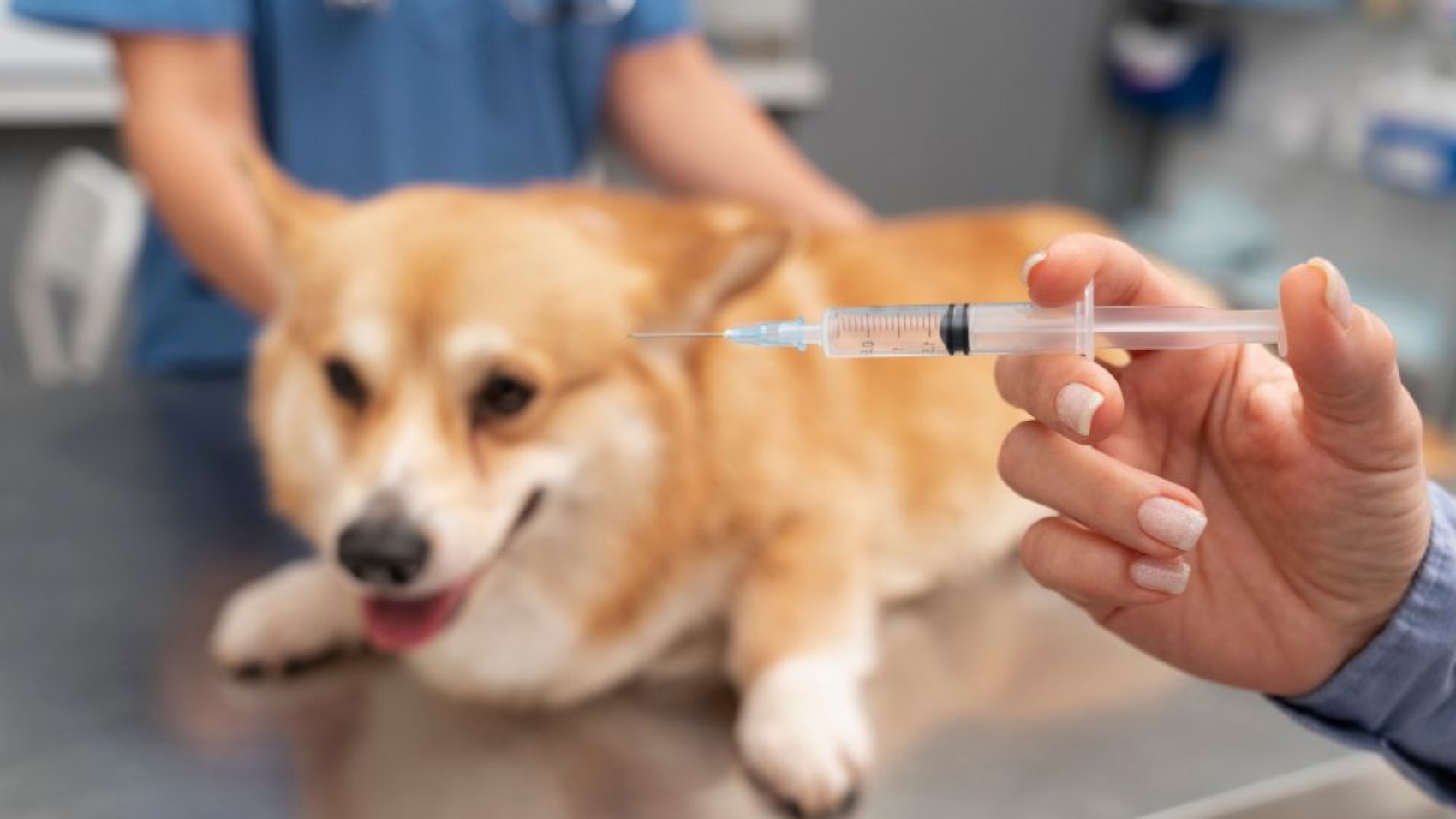
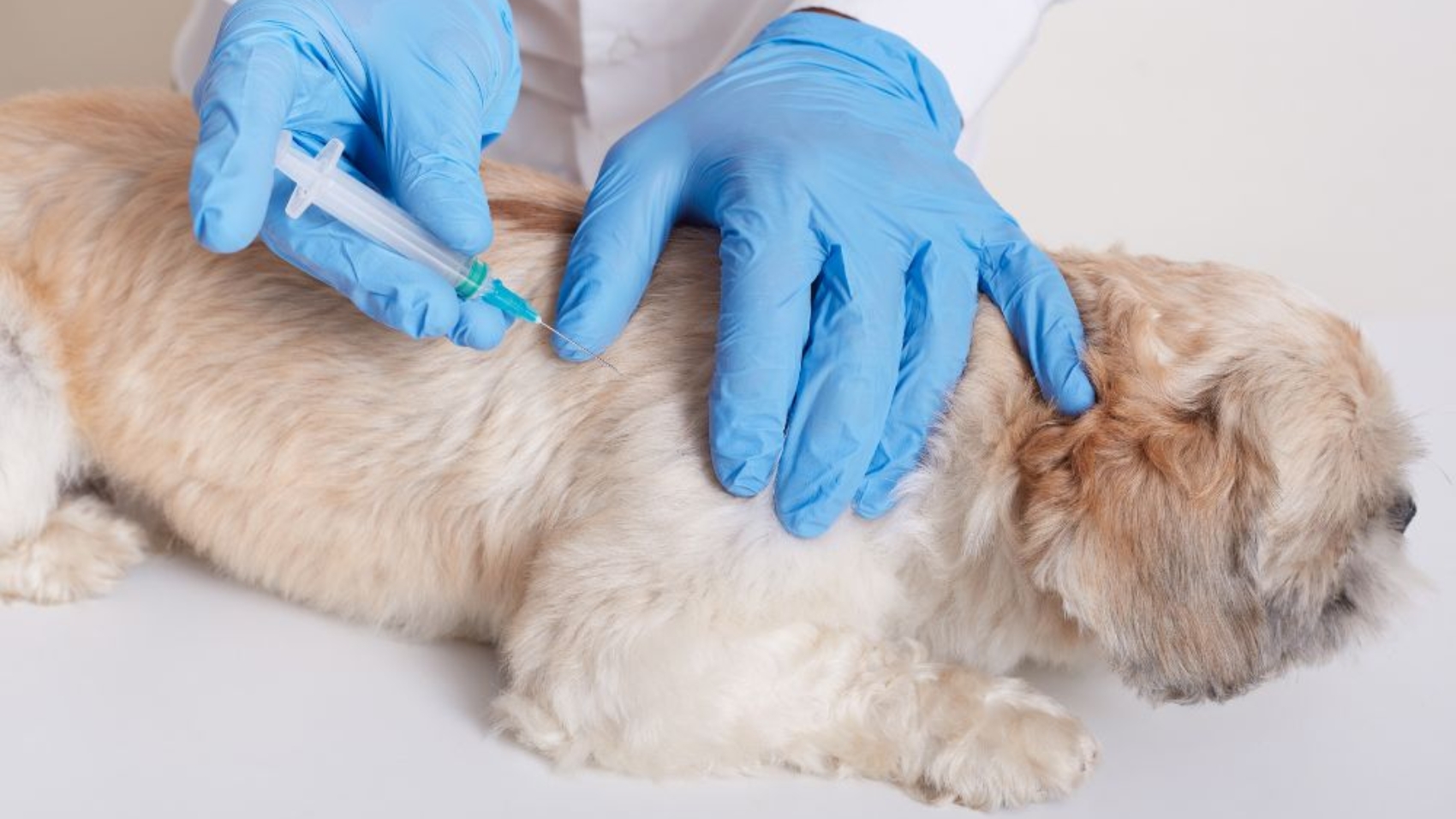
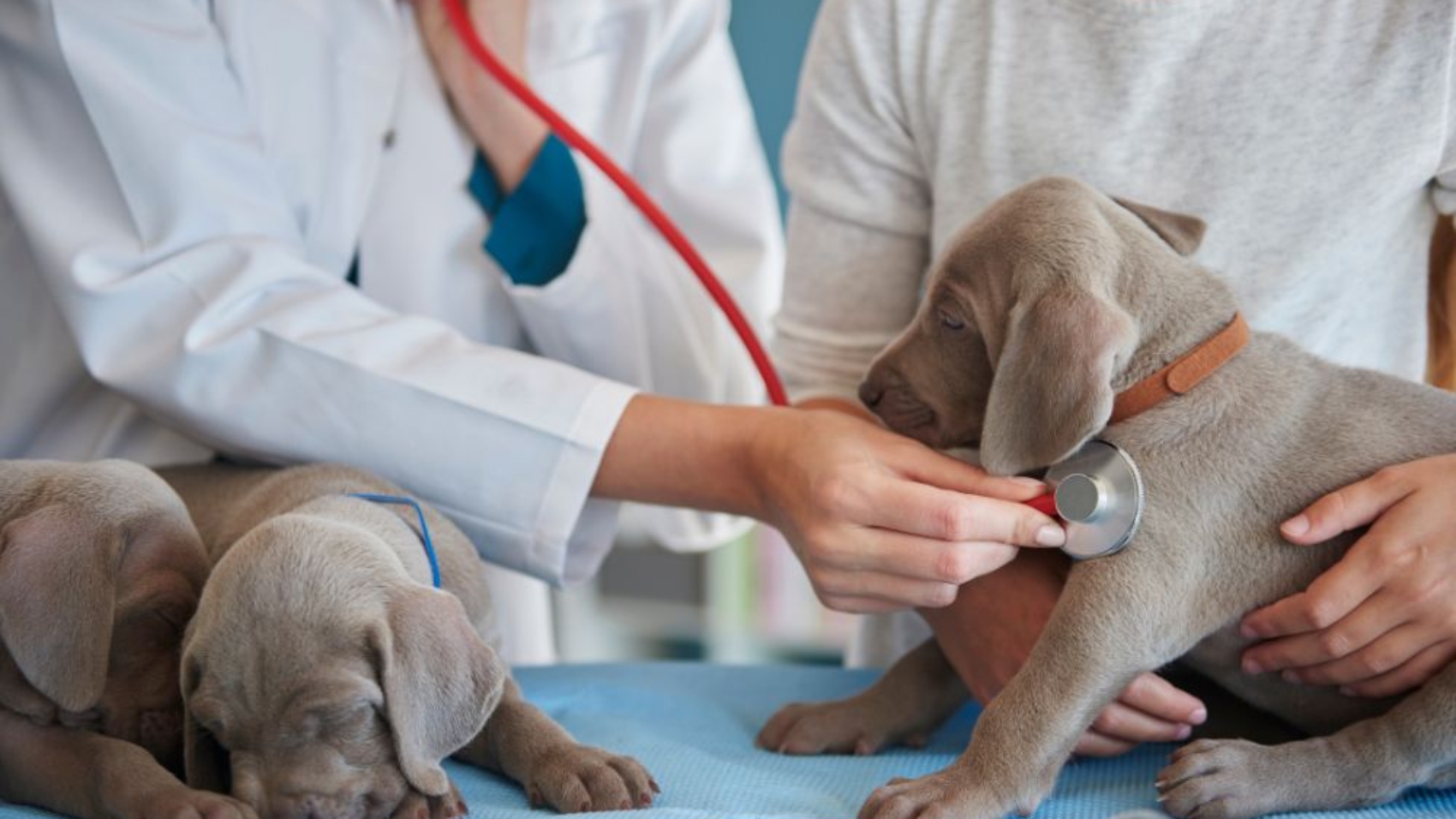
Vaccinations are a critical part of responsible pet care. They protect pets from potentially life-threatening diseases, help prevent the spread of infections, and support overall community health. However, many pet parents delay or miss vaccinations due to busy schedules, forgetfulness, or confusion about their importance. Skipping timely pet vaccination in Dwarka can lead to serious health risks for your pet, increase exposure to preventable diseases, and even put other animals and household members at risk.

Why Vaccinations Are Important for Pets

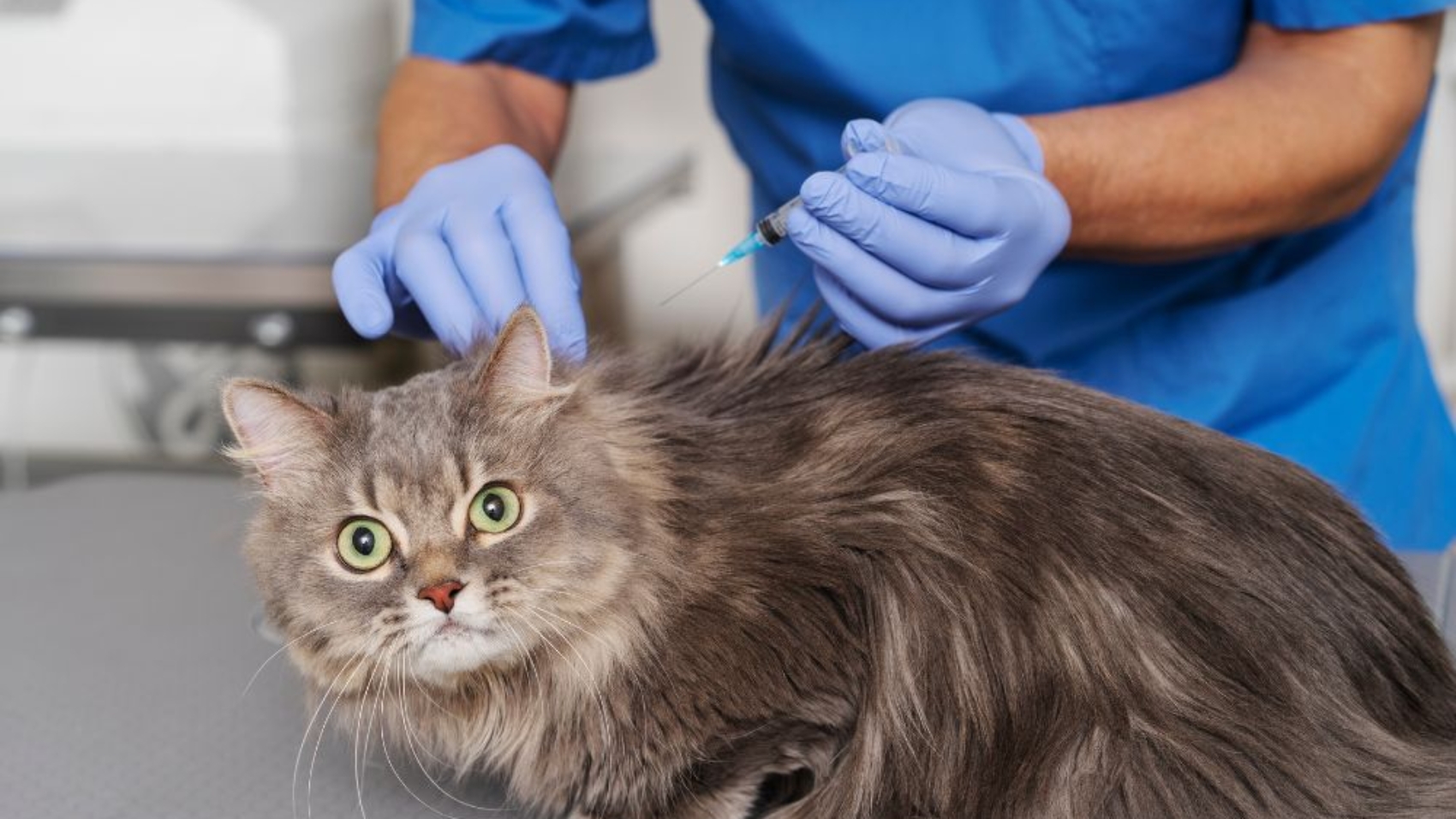
Vaccines work by stimulating a pet’s immune system to develop protection against specific diseases. For dogs and cats, vaccines prevent illnesses such as rabies, parvovirus, distemper, feline leukemia, and more. Regular vaccination schedules are designed to give pets optimal immunity at each stage of their life.

Benefits of Vaccination

  1. Disease Prevention: Vaccines protect against fatal and contagious diseases.
  2. Community Protection: Vaccinated pets reduce the risk of spreading diseases to other animals.
  3. Legal Compliance: In many places, rabies vaccination is mandatory for dogs and cats.
  4. Cost Savings: Preventing disease is far less expensive than treating it later.

Common Reasons Pet Vaccinations Are Missed or Delayed

Even well-meaning pet parents sometimes fall behind on vaccination schedules. Some common reasons include:

  • Forgetting vaccination dates or losing track of schedules.
  • Concerns about vaccine safety or side effects.
  • Financial constraints or limited access to veterinary care.
  • Believing indoor pets do not need vaccines.

While some of these concerns are understandable, delaying vaccines can put pets at risk.

Immediate Health Risks of Missing Vaccines

When vaccinations are missed or delayed, pets lose the immunity they need to fight off dangerous infections. This can lead to:

  1. Increased Susceptibility to Diseases: Unvaccinated pets are at higher risk for infections such as parvovirus, distemper, and feline leukemia. These diseases can be severe or fatal.
  2. Complications and Severe Illness: Many preventable diseases progress rapidly and may require hospitalisation, intensive care, or long-term treatment.
  3. Longer Recovery Periods: Pets who contract preventable diseases often take longer to recover and may experience chronic health issues.

Long-Term Consequences of Delayed Vaccinations

Delaying or missing vaccines can lead to long-term consequences that extend beyond just immediate health concerns.

  • Spread of Contagious Diseases: Unvaccinated pets can transmit illnesses to other pets in the community, including at parks, boarding facilities, and daycare.
  • Higher Medical Costs: Treating preventable diseases is significantly more expensive than routine vaccination.
  • Legal and Travel Issues: Rabies and other vaccination certificates are often required for boarding, travel, or participation in pet events. Missing vaccines may restrict your pet’s access.

Signs Your Pet Might Be at Risk

If your pet has missed vaccinations or you are unsure about their status, watch for:

  • Frequent lethargy or low energy
  • Loss of appetite
  • Unexplained fever or swelling
  • Persistent vomiting or diarrhea
  • Unusual coughing or sneezing

These signs do not always indicate a vaccine-preventable disease, but they highlight the need for immediate veterinary attention.

Catching Up on Missed Vaccinations

If you’ve missed a scheduled vaccine, don’t panic. Most veterinary clinics offer catch-up vaccination plans to safely bring your pet up to date. Veterinarians will:

  • Review your pet’s medical history
  • Assess any risks based on age, breed, or health condition
  • Administer missed vaccines according to a safe, tailored schedule

Regular follow-ups after catch-up vaccinations help ensure full protection.

Tips for Staying on Track With Vaccinations

  1. Set Reminders: Use phone alerts, calendars, or clinic-provided schedules to track vaccination dates.
  2. Keep a Health Record: Maintain a physical or digital record of vaccines, boosters, and vet visits.
  3. Consult Your Vet: Discuss vaccine intervals and booster needs to avoid confusion.
  4. Don’t Skip Vaccines for Indoor Pets: Many diseases can spread via visitors, stray animals, or contaminated surfaces.

Final Thoughts

Vaccinations are a cornerstone of responsible pet ownership. Missing or delaying them increases the risk of serious illness, spreads disease within the community, and may create legal or logistical challenges. Keeping your pet up to date with vaccines is not just about compliance it is about ensuring their long-term health, comfort, and happiness.

Why Pet Parents Trust Billu & Bella for Vaccinations

At Billu & Bella Pet Clinic 24×7, pet care is planned with exactness and control, keeping each pet’s age, multiply, and medical background in mind. Our veterinarian team follows strict safety protocols while manage vaccines and ensures pet parents clearly understand booster timelines and ongoing preventive needs. Backed by 24-hour availability and a calm, pet-friendly atmosphere, pet clinic in dwarka plays a key role in protection pets from preventable diseases and carry their long-term health and well-being.

Don’t miss: Professional Grooming vs Home Grooming – What’s Better?

Professional Grooming vs Home Grooming – What’s Better

Professional Grooming vs Home Grooming – What’s Better?

Grooming is an essential part of pet care. Regular grooming keeps pets clean, healthy, and comfortable while also reducing the risk of skin issues, infections, and other health problems. Pet parents often wonder: should I groom my pet at home, or is professional grooming the better choice? Both options have their benefits, but choosing the right method depends on your pet’s breed, temperament, and health needs. In this article, we explore professional grooming vs home grooming to help you make an informed decision.

Understanding Home Grooming

Home grooming refers to the care you provide to your pet yourself, using basic tools and products such as brushes, nail clippers, shampoos, and combs. Many pet parents prefer this method because it is convenient, cost-effective, and allows bonding time with their pets.

Benefits of Home Grooming

  1. Cost-Effective: Home grooming saves money, especially if your pet requires frequent grooming.
  2. Bonding Opportunity: Brushing, bathing, and nail trimming at home can strengthen the bond between you and your pet.
  3. Convenience: You can groom your pet whenever needed without scheduling appointments.

Limitations of Home Grooming

While home grooming can be effective for some pets, it has limitations:

  • Limited Tools and Expertise: Certain breeds need specialized grooming techniques that may be hard to replicate at home.
  • Risk of Injury: Improper nail clipping, ear cleaning, or hair trimming can accidentally hurt your pet.
  • Time-Consuming: Grooming long-haired or large pets at home requires patience, skill, and time.

Home grooming works best for short-haired or low-maintenance pets and owners who are confident handling their pets during grooming.

What is Professional Grooming?

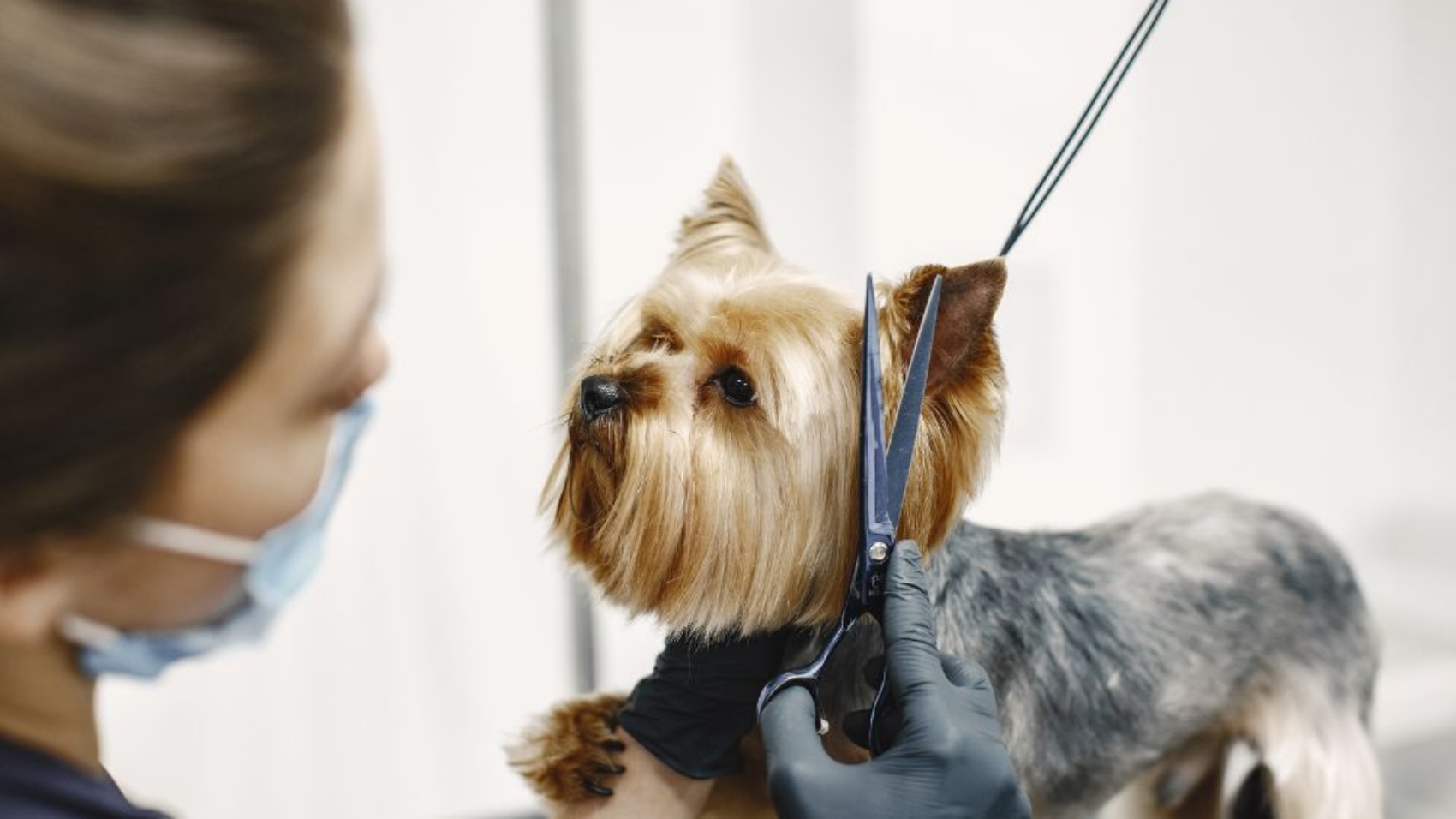
Professional grooming is performed by trained groomers at a grooming salon or veterinary clinic. It involves specialized techniques, equipment, and products to maintain your pet’s hygiene, appearance, and overall health. Services often include baths, haircuts, nail trimming, ear cleaning, teeth brushing, and sometimes even flea or tick treatments.

Benefits of Professional Grooming

  1. Expert Care: Professional groomers have the knowledge and experience to handle pets safely and efficiently.
  2. Specialized Tools: Groomers use professional-grade shampoos, scissors, clippers, and dryers that are not easily available at home.
  3. Health Monitoring: Groomers can spot early signs of skin infections, parasites, or abnormalities and advise a vet visit if necessary.
  4. Stress-Free for Owners: Professional grooming saves you time and effort, especially for pets that resist bathing or trimming.
  5. Breed-Specific Styles: For certain breeds like Poodles, Shih Tzus, or Persian cats, professional grooming ensures proper haircuts and maintenance.

Limitations of Professional Grooming

  • Cost: Professional grooming may be more expensive than home grooming, especially for regular appointments.
  • Scheduling: Appointments may require planning, which can be inconvenient for some owners.
  • Pet Anxiety: Some pets may feel anxious around strangers or in a salon environment, though experienced groomers usually manage this well.

Home Grooming vs Professional Grooming – Which Should You Choose?

The choice between home and professional grooming depends on several factors:

Pet’s Breed and Coat Type

  • Short-haired pets: Home grooming is usually sufficient with regular brushing and occasional baths.
  • Long-haired or specialty breeds: Professional grooming is often necessary to maintain coat health and prevent matting.

Pet’s Temperament

  • Calm, cooperative pets may enjoy home grooming sessions.
  • Nervous or anxious pets may benefit from the experience and expertise of a professional groomer.

Owner’s Experience and Time

  • If you are confident in grooming techniques and have enough time, home grooming can be cost-effective.
  • If you lack time, tools, or skills, professional grooming ensures your pet stays healthy and clean without added stress.

Health Considerations

  • Pets with skin conditions, allergies, or frequent matting require professional attention to prevent complications.
  • Routine home grooming can complement professional care by keeping your pet’s coat clean between visits.

Combining Both Approaches

For many pet parents, the best strategy is a combination of home and professional grooming. You can perform light brushing, cleaning, and nail trimming at home while visiting a professional groomer for full baths, haircuts, and breed-specific styles. This hybrid approach keeps your pet well-groomed, healthy, and comfortable while also saving time and cost.

Final Thoughts

Both home grooming and professional grooming have their advantages and limitations. The best choice depends on your pet’s breed, temperament, and your comfort level with grooming. While home grooming offers convenience and bonding opportunities, professional grooming ensures expert care, proper tools, and early detection of potential health issues. Ultimately, a combination of both approaches often works best to keep your pet clean, healthy, and happy.

Why Pet Parents Trust Billu & Bella for Grooming

At Billu & Bella – Pet Clinic 24×7, we offer pet grooming services in dwarka tailored to every breed and coat type. Our trained groomers provide gentle, stress-free care while using modern tools and high-quality products to maintain your pet’s hygiene and comfort. For pet parents who prefer home grooming, we also provide guidance on proper brushing, bathing, and nail care to keep your furry friend healthy between professional visits. With Billu & Bella, your pet always receives the best of both worlds – expert care and supportive home grooming advice.

Don’t miss: Common Mistakes Pet Parents Make While Ignoring Vet Visits

Common Mistakes Pet Parents Make While Ignoring Vet Visits

Common Mistakes Pet Parents Make While Ignoring Vet Visits

Many pet parents genuinely care for their animals but unknowingly overlook regular veterinary visits. Pets cannot clearly communicate discomfort or illness, which means skipping routine check-ups often leads to health problems being discovered too late. Ignoring vet visits is one of the most common and costly mistakes pet owners make. Understanding these mistakes can help prevent unnecessary suffering and ensure a healthier life for your pet.

Assuming “No Symptoms” Means “No Health Issues”

One of the biggest misconceptions pet parents have is believing that if their pet looks active and eats well, they must be healthy. In reality, many medical conditions such as kidney disease, dental infections, parasites, and internal disorders develop silently.

Regular veterinary check-ups help detect hidden health issues before visible symptoms appear. Skipping these visits allows minor problems to progress into serious conditions that require extensive treatment.

Visiting the Vet Only During Emergencies

Many pet owners take their pets to the vet only when there is an obvious injury or severe illness. While emergency care is crucial, relying solely on emergency visits is risky.

Routine vet visits help prevent emergencies by identifying health concerns early. Preventive care, vaccinations, and health screenings significantly reduce the chances of sudden medical crises and improve long-term outcomes.

Delaying Vaccinations and Preventive Care

Skipping or delaying vaccinations is a common mistake that exposes pets to preventable diseases. Infections such as parvovirus, rabies, and distemper can be life-threatening and often spread quickly.

Veterinary visits ensure pets follow a proper vaccination schedule and receive parasite control for fleas, ticks, and worms. Preventive care is far safer, less stressful, and more affordable than treating advanced disease.

Ignoring Dental Health Check-Ups

Dental care is often overlooked by pet parents. Bad breath, gum redness, and plaque buildup are frequently ignored until serious pain or infection develops.

Regular vet visits include oral examinations that help detect dental disease early. Untreated dental issues can lead to infections spreading to vital organs such as the heart and kidneys, affecting overall health.

Relying on Home Remedies or Online Advice

The internet is full of pet care advice, but not all information is accurate or safe. Many pet parents attempt home remedies or delay vet visits based on online suggestions.

Only a qualified veterinarian can provide an accurate diagnosis and appropriate treatment. Relying on unverified advice can worsen conditions, delay proper care, and sometimes cause irreversible harm.

Skipping Follow-Up Visits and Monitoring

After treatment, some pet parents stop follow-up visits once symptoms improve. This can be dangerous, as incomplete treatment may lead to recurring or resistant infections.

Follow-up visits allow veterinarians to monitor recovery, adjust medications, and ensure the condition is fully resolved. Skipping them increases the risk of complications and long-term health issues.

Underestimating Age-Related Health Needs

As pets age, their healthcare needs change. Many pet parents assume slower movement or appetite changes are “normal ageing” and avoid vet visits.

Regular check-ups for senior pets help detect arthritis, organ issues, vision problems, and hormonal disorders early. Proper monitoring can significantly improve comfort and quality of life in older pets.

Letting Fear or Cost Delay Vet Visits

Some pet parents avoid vet visits due to fear fear of bad news, treatment costs, or stressful experiences for their pets. Unfortunately, delaying care often leads to higher costs and more invasive treatment later.

Early veterinary care is usually simpler, less expensive, and more effective. Choosing a trusted clinic also helps reduce stress for both pets and owners.

Final Thoughts

Ignoring regular vet visits is a mistake that often comes from misunderstanding, not neglect. However, consistent veterinary care plays a vital role in preventing disease, managing health, and extending your pet’s life. Routine check-ups, vaccinations, and professional guidance ensure your pet stays healthy, comfortable, and happy for years to come.

How Billu & Bella Supports Responsible Pet Care

Billu & Bella promotes regular vet visits and preventive care to help pets stay healthy and thrive at every stage of life. Our experienced veterinarians provide thorough check-ups, vaccinations, dental care, and emergency support in a calm and pet-friendly environment. Focused on prompt diagnosis and thoughtful treatment, Billu & Bella empowers pet parents to take the right steps for their pet’s long-term well-being.

Don’t miss: Why Choosing the Right Pet Care Clinic Is Important for Your Pet

Why Choosing the Right Pet Care Clinic Is Important for Your Pet

Why Choosing the Right Pet Care Clinic Is Important for Your Pet

Pets rely entirely on their owners to make the right health decisions for them. Since they cannot describe pain or illness, choosing the pet clinic in dwarka becomes one of the most important responsibilities of a pet parent. A well-chosen clinic not only treats sickness but also supports your pet’s long-term health, comfort, and emotional well-being.

Not All Pet Care Clinics Are the Same

Every pet clinic operates differently in terms of medical standards, experience, and quality of care. While some clinics focus only on basic treatment, others follow structured healthcare protocols and preventive approaches. Choosing the right clinic ensures your pet receives consistent, professional, and safe treatment rather than temporary solutions or guesswork.

Regular Health Check-Ups Help Catch Problems Early

Many pet health issues start with mild or hidden symptoms. Skin allergies, dental disease, internal infections, and joint pain often go unnoticed until they become serious. A reliable pet care clinic encourages routine check-ups and vaccinations to monitor your pet’s health over time.

Early detection allows veterinarians to treat conditions before they worsen, reducing discomfort for your pet and preventing expensive or complex medical procedures later.

Emergency Readiness Can Save Your Pet’s Life

Medical emergencies can occur at any time, whether due to accidents, sudden illness, or unexpected reactions. In such moments, immediate veterinary care is crucial. The right pet care clinic is prepared with trained staff, emergency equipment, and clear protocols to handle critical cases.

Knowing that your clinic can respond quickly during emergencies gives pet parents confidence and ensures pets receive timely, life-saving treatment.

Experienced Veterinarians Ensure Accurate Diagnosis

Veterinary experience plays a vital role in identifying and treating health issues correctly. Skilled veterinarians can recognise subtle symptoms, recommend appropriate tests, and design effective treatment plans.

The right clinic also believes in clear communication. When veterinarians explain conditions, medications, and recovery steps in simple terms, pet parents are better equipped to care for their pets at home.

Advanced Facilities Improve Treatment Quality

Modern veterinary care depends heavily on advanced diagnostic tools. Clinics with in-house blood tests, digital X-rays, ultrasound, and surgical facilities can diagnose health problems faster and more accurately.

Well-maintained equipment and hygienic treatment areas also reduce the risk of infection and improve recovery time, making treatment safer and more comfortable for pets.

A Calm and Pet-Friendly Environment Reduces Stress

Pets can feel anxious during clinic visits, especially when they are unwell. A noisy or chaotic environment can increase fear and make examinations difficult. A good pet care clinic focuses on creating a calm, clean, and pet-friendly atmosphere.

Gentle handling and patient staff help pets feel safe, allowing veterinarians to examine and treat them more effectively.

Continuity of Care Builds Long-Term Health Records

Visiting the same clinic regularly allows veterinarians to maintain a complete medical history for your pet. Long-term records help track health changes, manage ongoing conditions, and avoid repeated or unnecessary tests.

This continuity leads to personalised care, as veterinarians understand your pet’s behaviour, sensitivities, and medical background over time.

Ethical Practices and Transparency Build Trust

Trust is essential in veterinary care. The right pet clinic maintains transparency in pricing, treatment plans, and medical advice. Ethical clinics prioritise your pet’s well-being and avoid unnecessary procedures.

Open communication helps pet parents make informed decisions without pressure, strengthening trust between the clinic and the family.

Choosing the Right Clinic Is a Long-Term Commitment

Selecting the right pet care clinic is not just about convenience—it is an investment in your pet’s quality of life. A dependable clinic supports preventive care, emergency treatment, and senior pet health, ensuring your pet receives compassionate care throughout their life.

Why Pet Parents Choose Billu & Bella

At Billu & Bella, we believe pets deserve care rooted in compassion, expertise, and trust. Our clinic is dedicated to providing professional, round-the-clock veterinary care in a calm and pet-friendly environment. With experienced veterinarians, modern facilities, and a strong focus on preventive and emergency care, Billu & Bella stands as a reliable partner in your pet’s lifelong health journey.

Veterinary Emergency Care

Veterinary Emergency Care: Why Billu & Bella Pet Clinic is Your Best Choice

When it comes to your furry friend’s health, emergencies can be stressful and overwhelming. That’s why having access to exceptional veterinary emergency care is crucial. At Billu & Bella Pet Clinic, we understand the urgency and the need for immediate, compassionate care. Our 24×7 service is designed to handle your pet’s emergencies with the utmost professionalism and care.

Understanding Veterinary Emergency Care

Veterinary emergency care involves the immediate medical attention your pet may need during unexpected situations. Whether it’s a sudden illness, injury, or any critical condition, our team at Billu & Bella Pet Clinic is prepared to respond quickly and effectively. Veterinary emergencies require prompt action to prevent further complications and ensure the best outcome for your pet.

Why Choose Billu & Bella for Veterinary Emergency Care?

  1. 24×7 Availability: Emergencies don’t adhere to a schedule, and neither do we. Billu & Bella Pet Clinic offers round-the-clock veterinary emergency care, ensuring that you’re never alone when your pet needs urgent help. Our clinic is always open, ready to address any situation that arises, no matter the time of day or night.
  2. Experienced Veterinarians: Our team of skilled veterinarians at Billu & Bella Pet Clinic is trained to handle a wide range of emergencies. Their expertise ensures that your pet receives the best possible care during critical moments. From severe injuries to sudden illnesses, our veterinarians are equipped with the knowledge and experience to provide effective treatment.
  3. State-of-the-Art Facilities: At Billu & Bella, we invest in the latest medical technology and equipment to offer top-quality veterinary emergency care. Our facilities are designed to provide comprehensive diagnostics and treatment options, ensuring that your pet receives the best possible care.
  4. Compassionate Care: We understand that emergencies are stressful for both pets and their owners. Our team at Billu & Bella Pet Clinic is dedicated to providing compassionate care, not only for your pet but for you as well. We strive to make the emergency process as smooth and reassuring as possible, keeping you informed every step of the way.

Common Veterinary Emergencies We Handle

  • Trauma: Accidents and injuries can happen suddenly. Whether it’s a car accident or a fall, our team is prepared to provide immediate care and treatment to stabilize your pet.
  • Poisoning: If your pet has ingested something toxic, time is of the essence. Our emergency care team will quickly assess the situation and administer the necessary treatment to counteract the effects of poisoning.
  • Breathing Difficulties: Respiratory issues can be critical. We have the tools and expertise to diagnose and treat breathing problems, ensuring your pet can breathe comfortably again.
  • Seizures: Seizures can be alarming and require prompt medical intervention. Our veterinarians will work swiftly to determine the cause and provide appropriate treatment.
  • Gastrointestinal Issues: Vomiting, diarrhea, or abdominal pain can indicate serious underlying issues. Our emergency care team will perform necessary tests and provide treatment to address these concerns.

How to Prepare for a Veterinary Emergency

While you can’t predict when an emergency will occur, there are steps you can take to be prepared:

  • Keep Important Information Handy: Ensure you have your pet’s medical history and vaccination records easily accessible. This information can be crucial during an emergency.
  • Know the Location of Your Nearest Emergency Clinic: Familiarize yourself with the address and contact details of Billu & Bella Pet Clinic. This knowledge can save valuable time in a crisis.
  • Have a Pet First Aid Kit: A basic first aid kit can be useful for minor issues. It’s also helpful to have a plan in place for how you’ll transport your pet in an emergency.

Connect with Us

For more information about our veterinary emergency care services or to schedule a consultation

At Billu & Bella Pet Clinic, we are committed to providing the best veterinary emergency care for your beloved pets. When it comes to their health and safety, don’t settle for anything less. Trust us to be there when you need us the most.

In summary, having access to reliable and compassionate veterinary emergency care can make all the difference in critical situations. Billu & Bella Pet Clinic is here to offer the best possible care for your pets, ensuring they receive the attention they need during emergencies.

Pet Grooming Services in Dwarka

Best Pet Grooming Services in Dwarka at Billu & Bella – Pet Clinic 24×7

When it comes to finding the best pet grooming services in Dwarka, Billu & Bella Pet Clinic stands out as a top choice. Our 24×7 pet clinic is dedicated to delivering high-quality grooming services that cater to the specific needs of your furry companions.

Why Our Pet Grooming Services in Dwarka Are the Best

Pet grooming is essential for maintaining your pet’s health and happiness. Regular grooming not only keeps your pet looking great but also contributes to their overall well-being. At Billu & Bella, we offer the best pet grooming services in Dwarka, ensuring that every aspect of your pet’s grooming needs is met with care and expertise.

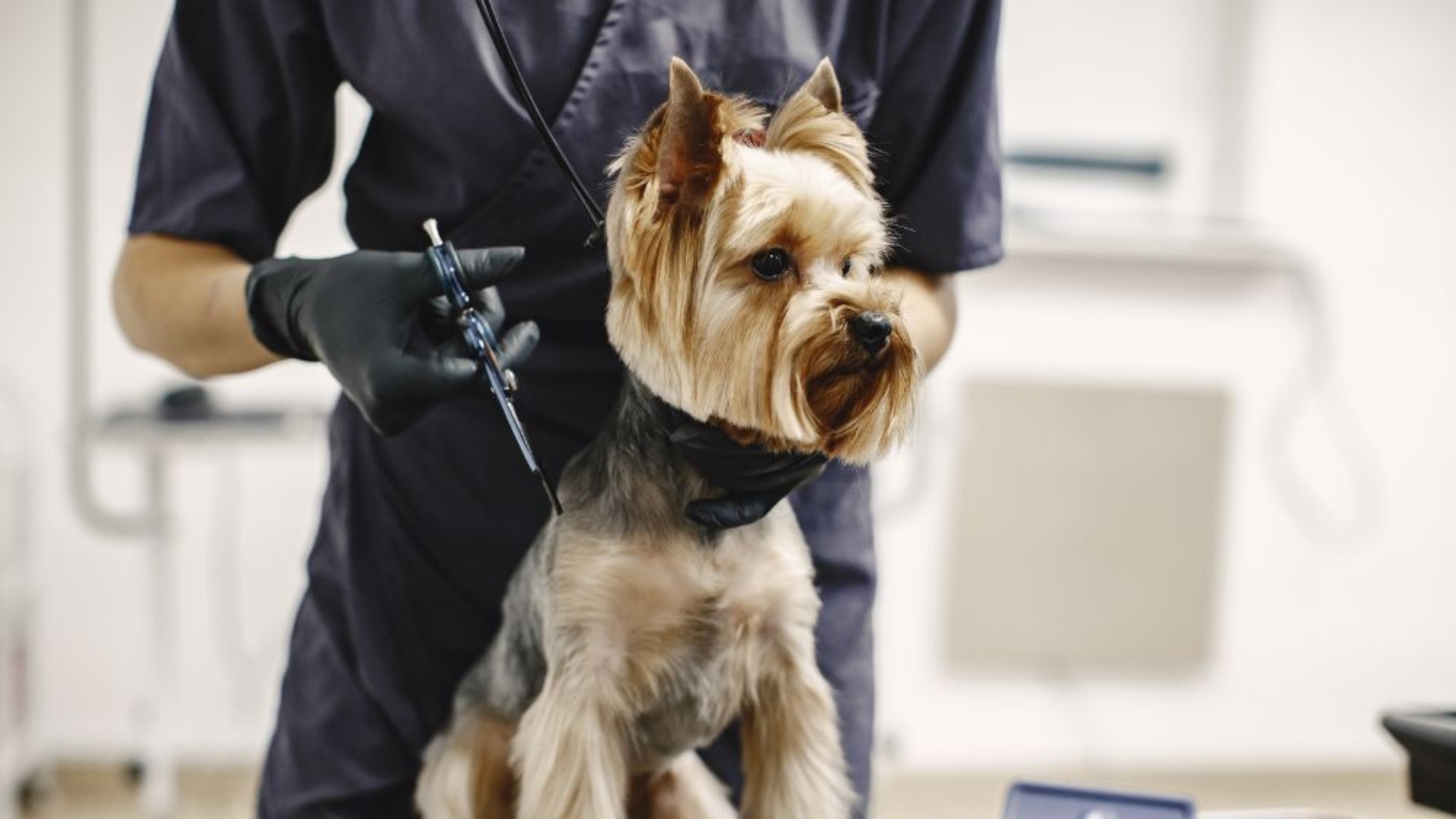
Our team of skilled groomers is trained to handle pets of all breeds and sizes. From basic baths and haircuts to more specialized treatments, we provide a range of grooming services designed to keep your pet comfortable and healthy. We understand that each pet is unique, and we tailor our grooming approach to suit their individual needs.

Our Grooming Services Include:

  1. Bathing and Drying: We use high-quality, pet-friendly shampoos and conditioners to clean your pet’s coat. Our gentle drying techniques ensure that your pet remains comfortable throughout the process.
  2. Brushing and De-matting: Regular brushing helps prevent matting and tangles. Our groomers are adept at handling all types of coats, from short-haired to long-haired breeds.
  3. Haircuts and Styling: Whether your pet needs a trim or a complete makeover, we offer professional haircut and styling services that enhance their appearance and comfort.
  4. Nail Clipping and Ear Cleaning: We provide nail trimming and ear cleaning services to keep your pet’s paws and ears in top condition, helping to prevent discomfort and infections.
  5. Dental Care: Oral hygiene is crucial for your pet’s health. We offer dental cleaning services to help maintain healthy teeth and gums.
  6. Specialized Treatments: If your pet has specific grooming needs or skin conditions, we offer specialized treatments to address these issues effectively.

Why Billu & Bella Is the Best Choice for Pet Grooming in Dwarka

At Billu & Bella, we are committed to providing the best pet grooming services in Dwarka. Our clinic is equipped with state-of-the-art grooming tools and products to ensure the highest standards of care. Our groomers are not only skilled but also passionate about animals, which reflects in the quality of service we provide.

We understand that grooming can be a stressful experience for some pets. That’s why we create a calm and soothing environment to help your pet feel at ease. Our team takes the time to build a positive relationship with each pet, ensuring that their grooming experience is as stress-free as possible.

Book an Appointment Today

If you’re looking for the best pet grooming services in Dwarka, look no further than Billu & Bella Pet Clinic. Our dedicated team is here to provide exceptional care for your beloved pets. You can easily book an appointment through our website or by giving us a call.

For the latest updates and tips on pet care, don’t forget to follow us on Instagram @billuandbella. We look forward to welcoming you and your pet to our clinic and providing the best grooming services in Dwarka.

At Billu & Bella, your pet’s health and happiness are our top priorities. Trust us to provide the best grooming care for your furry friend today!

Source URL- https://billuandbella.com/grooming/

Pet Health Checkups

Pet Health Checkups: The Importance of Regular Monitoring at Billu & Bella Pet Clinic 24×7

At Billu & Bella Pet Clinic 24×7, we understand that your pet is more than just an animal; they’re a cherished member of your family. Just like with human health, maintaining optimal health for your pets requires regular checkups and preventative care. That’s why our state-of-the-art in-house diagnostic lab is designed to provide comprehensive pet health checkups to ensure your furry friends stay healthy and happy.

Why Regular Pet Health Checkups Are Essential

Regular pet health checkups are crucial for detecting potential health issues before they become serious. Many pets are experts at hiding their discomfort or symptoms, making it challenging for pet owners to recognize underlying problems. Routine checkups allow veterinarians to spot signs of illness early, often before noticeable symptoms appear, and provide timely intervention.

The Benefits of In-House Diagnostic Labs

Our in-house diagnostic lab is equipped with advanced technology to perform a variety of tests right on-site. This allows for quicker results and immediate treatment plans, ensuring your pet receives prompt care. Some key benefits of our diagnostic lab include:

  1. Immediate Test Results: Traditional diagnostic tests often require sending samples to external labs, which can delay results. With our in-house lab, we can perform many tests and receive results within minutes to hours, allowing for faster diagnosis and treatment.
  2. Comprehensive Testing: Our lab is capable of performing a wide range of tests, including blood work, urinalysis, and imaging. This comprehensive approach ensures that we can assess various aspects of your pet’s health, from blood cell counts to kidney function and more.
  3. Convenience and Efficiency: Having an in-house lab means that pet owners don’t have to wait for external lab results, which often come with delays. This streamlined process helps us offer more efficient and effective care for your pets.

What to Expect During a Pet Health Checkup

When you bring your pet in for a health checkup at Billu & Bella Pet Clinic 24×7, here’s what you can expect:

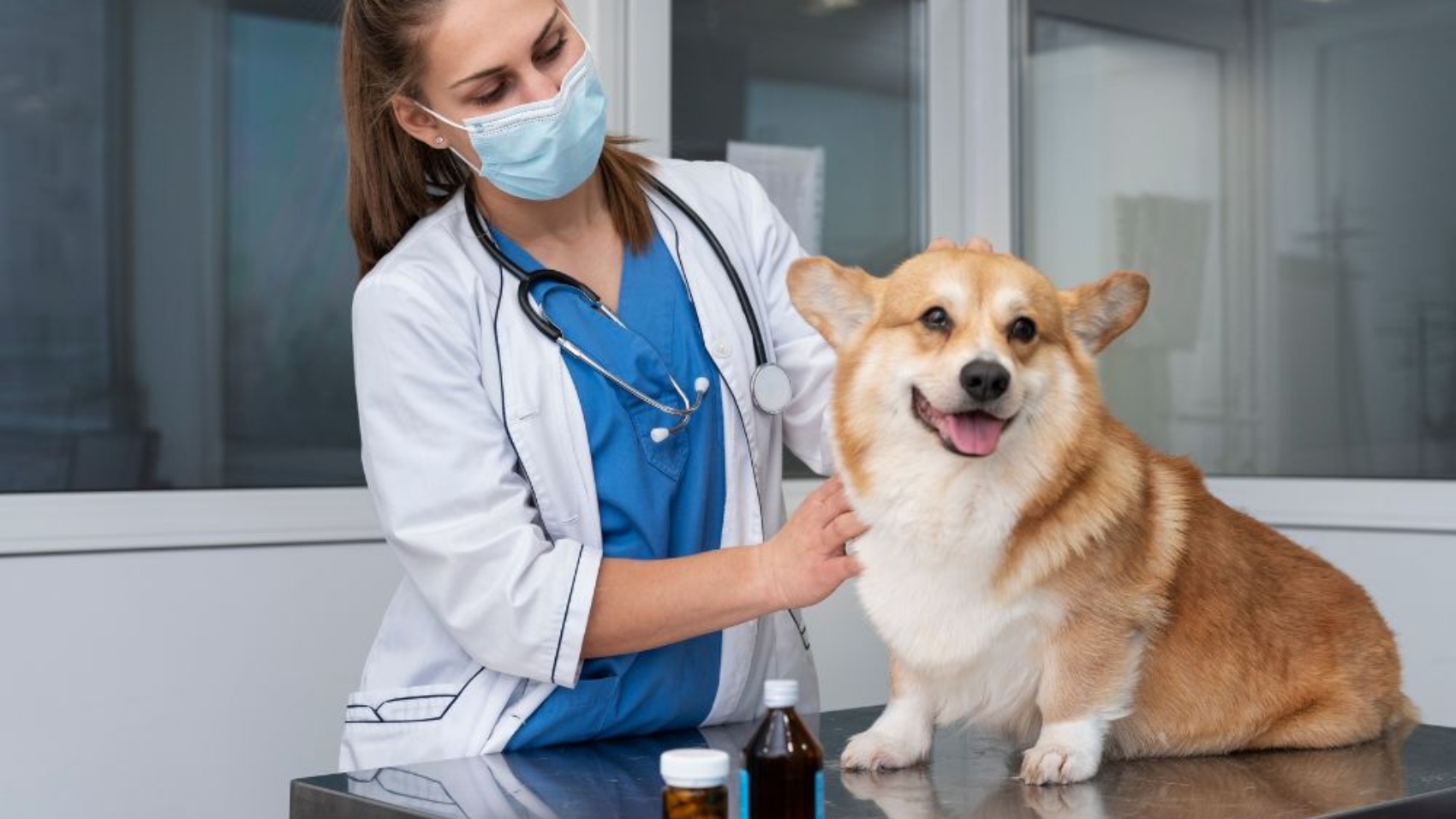
  1. Thorough Physical Examination: Our veterinarians will perform a detailed physical examination, checking your pet’s overall condition, including weight, coat condition, and body systems.
  2. Diagnostic Testing: Depending on your pet’s health status and any symptoms they may have, we may recommend diagnostic tests. These could include blood tests, urine tests, or imaging to get a clear picture of your pet’s health.
  3. Preventative Care: In addition to identifying potential health issues, checkups allow us to provide preventative care, such as vaccinations, flea and tick prevention, and dental care. These measures help keep your pet healthy and prevent future problems.
  4. Treatment and Recommendations: If any issues are identified during the checkup, we will discuss the results with you and recommend appropriate treatment options. Our goal is to ensure that your pet receives the best possible care tailored to their specific needs.

Keeping Your Pet Healthy at Home

While regular vet visits are crucial, maintaining your pet’s health at home is equally important. Here are some tips to help keep your pet in top shape between checkups:

  1. Balanced Diet: Ensure your pet is eating a balanced diet suitable for their age, size, and health condition. Consult your vet for dietary recommendations and avoid overfeeding.
  2. Regular Exercise: Provide your pet with regular exercise to keep them physically fit and mentally stimulated. Tailor their exercise routine to their breed and energy levels.
  3. Grooming: Regular grooming helps keep your pet’s coat healthy and reduces the risk of skin infections. Brush your pet’s fur, trim their nails, and check for any signs of parasites.
  4. Hydration: Always provide fresh water for your pet and monitor their water intake. Proper hydration is essential for maintaining good health.
  5. Observation: Pay attention to any changes in your pet’s behavior, appetite, or bathroom habits. If you notice anything unusual, contact us for advice.

Visit Us for Comprehensive Pet Health Checkups

At Billu & Bella Pet Clinic 24×7, our commitment to your pet’s health and well-being is our top priority. Our in-house diagnostic lab enables us to provide thorough, prompt, and effective care, ensuring that your furry friend gets the attention they deserve.

Don’t wait for symptoms to appear—schedule a regular pet health checkup with us today and give your pet the gift of health. For more information or to book an appointment, visit our website or follow us on Instagram.

Your pet’s health is our passion. Let us help you keep your beloved companion happy and healthy with regular checkups and expert care.

Source URL- https://billuandbella.com/in-house-diagonistic-lab/

start_c6aa6046-d2b6-4e6c-9e80-9fee1aac2a18_350x350@2x (1)

5 Most Common Digestive Issues Found in Dogs

Our dogs hold the most special corner of our hearts. The way they greet us at the door, wagging their furry tail, and ready to cheer us up when we return home tired. Doggies are emotional companions full of life, and thus it is miserable to see our furry baby sick. Our only wish is to take all their pain away and let them be their adorable goofy self.

It is heart-wrenching to see our dog yelping at midnight due to stomach pain. Your dog’s digestive system is complicated and, at times, unpredictable. While some digestive difficulties in dogs may be resolved with simple digestive supplements, other health conditions may necessitate a more active treatment strategy. Knowing when to get quick help can assist in handling the situation before it becomes worse.

There are several reasons why your dog may be suffering stomach distress or indigestion, however, the following are some of the most frequently observed canine digestive concerns.

1) Inflammatory Bowel Disease (IBD)

IBD, or “inflammatory bowel disease,” is a persistent intestinal swelling that might affect a dog’s stomach and intestines. The intestinal wall is altered by the infected cells when they enter your dog’s stomach and digestive system, which interferes with regular food absorption. It resembles a syndrome more so than a disease. IBD typically causes dogs to have persistent diarrhoea or vomiting. IBD primarily affects the stomach or intestine, though the disease can occasionally impact other organs involved in the digestive process.

What causes IBD?
Although the precise cause is unknown, there are certain possibilities, such as a parasite or bacterial infection or an unfriendly reaction to the food that might result in IBD.

Signs of IBD
The most common signs of IBD include loose, watery stools, and vomiting. Other common signs you can witness if your dog is suffering from IBD is mucus or blood in stool, lethargy, low-grade fever, poor-quality hair coat, and losing weight or appetite.

IBD treatment
IBD cannot be cured, however, it can be controlled with dietary changes and prescribed medications such as steroids and antibiotics. It might be challenging to choose the appropriate course of action for IBD because each dog’s situation is different. We know you cannot see your pet suffering, but the right treatment plan for your doggo will take time so be patient. Dietary modifications may be suggested, depending on the test diagnosis. Immunosuppressive medication can also be recommended, but these medicines have to be used cautiously as they might have side effects. It could take several weeks for the treatment to show effective results.

Suggested steps
Going to a veterinarian is always the most useful option but you can try to improve their condition by taking notes of their diets and other habits. You can keep a tab of;

1) What type of dog food are they eating more?
2) Whether their weight is changing?
3) Any change in their behaviour?
4) What type of dog food is making them vomit?

What should I feed my dog suffering from IDB?
Your veterinarian will suggest a diet based on lab findings. This could comprise dog food high in fibre, eliminating snacking, and fatty food and reducing carbs helps.

2) Esophageal discomfort
Is your dog throwing up his favourite chicken treat? Well, the reasons can be multiple including Esophageal (food tube) discomfort.

It refers to an inflammation of both the inner and outer layers of the esophageal, which connects the throat to the stomach. Various circumstances, including acid reflux and blockage by a foreign item, can cause esophageal inflammation. The most prevalent symptom of canine esophageal discomfort is difficulty chewing or swallowing. Your pet can throw up after eating or exhibit uneasy swallowing behaviours.

Why does soreness in the oesophagus occur?
Due to the proximity of the oesophagus to the stomach, digestive issues are typically the underlying cause of esophagitis in dogs. Acids from the stomach can also irritate the oesophagus. Canine esophagitis might also have other possible causes, such as vomiting, drooling, appetite loss, difficulty swallowing, and weight loss.

Signs of Esophageal discomfort
The signs of esophageal discomfort in dogs depend on the level of esophageal inflammation. For a few weeks or months, your dog may exhibit no symptoms at all or only mild ones. Over time, the symptoms could become more severe. The inability to lie down, neck and throat pain, fever, drooling, or whimpering when swallowing are other symptoms to watch out for.

Esophageal treatment
Medication is the most popular type of therapy, however, occasionally surgery is necessary.

There are many approaches to alleviating esophageal inflammation, starting with dietary changes. Limiting food and beverage consumption will help the oesophagus heal. A veterinarian might recommend a diet high in carbohydrates, and proteins, and low in fat.

Suggested steps
A permanent change in the Dog’s diet is the first and foremost step to cure Esophageal discomfort. You might need to change your kibble to the highest quality dog food that is easily digestible. High-fat food worsens esophageal pain so make sure to keep your dog away from it. If the pain does not reduce, do visit a vet.

3) Intestinal parasites

There can be many reasons your pawsome friend is not eating his favourite dog food, and among those, one could be due to intestinal parasites. Roundworms, hookworms, whipworms, tapeworms, Giardia, and coccidia are the parasites most frequently seen in a dog’s intestines. It is crucial to find these parasites early and get your dog treated for precautionary care.

Why do intestinal parasites develop?

There are numerous ways for an intestinal parasite to enter a dog’s body. Typically, it spreads when your dog unintentionally consumes parasite eggs or spores found in the ground, water, faeces, or food.

Signs of intestinal parasites

Except in the case of Tapeworm and Roundworms, intestinal parasites are too hard to detect for the naked eye as they are very small and present inside the stomach. Tapeworms can be seen in a pet’s stool or near the rectum and roundworms can also be detected in a pet’s stool or in vomit. Though hard to detect you can look out for symptoms like scooting, vomiting, diarrhoea, weight loss, and occasional coughing. 

Treatment of intestinal parasites

While the thought of your fur baby having intestinal parasites may give you the heebie-jeebies, intestinal parasites are treatable. It is essential to maintain your pets on parasite preventatives and have their faeces examined at least once a year.

Suggested steps

Most of the time, constipation can be treated at home by simple changes in your pet’s lifestyle like making him drink extra water, exercise, and enemas. Taking your dog to the vet for a check-up at least once a year is the simplest way to ensure that he is parasite-free.

4) Constipation

Constipation is one of the most prevalent health issues affecting the digestive systems of dogs. If your dog has irregular, difficult, or non-existent bowel motions, he might be experiencing this condition.

What causes canine constipation?

There are many possibilities of constipation in dogs. The most common symptoms include the consumption of indigestible substances. There are different reasons for constipation like a diet lacking in fibre, dehydration, stress, insufficient exercise and pelvic injuries. Dogs’ faeces will lose water, harden, and become impenetrable if the faecal process is hampered or slowed down.

Signs of constipation

Most dogs have at least one bowel movement each day, and sometimes more depending on the type of dog food and the number of times they have been fed. If your pooch is constipated, it is likely to make several unsuccessful attempts to pass the stool.  If the condition is severe, you might see your dog repeatedly circling, scooting, crouching, whimpering, or even howling.

Other clinical symptoms might include loss of appetite, nausea, vomiting, mucus or watery stools, and weight loss. Some constipated dogs might even whine or snarl if you press on their stomach or lower back.

Treatment of constipation

Most cases of constipation are easy to treat with a combination of therapies, enema (injections), manual removal and medication. Low or high-fibre-rich dog food may be recommended by the vet according to the symptoms of constipation. Dogs with psychological causes of constipation might need behavioural change and training.

Suggested steps before you go to a vet

Most of the time constipation is easy to treat with a little change in the lifestyle of a dog. You can cure your pet’s constipation with home remedies like exercise, extra water and enemas.

5) Colitis

Disorders of the colon or large intestine are covered by the umbrella term “colitis.” Although a trip to the emergency room is not needed, getting input from your veterinarian will be good. The primary function of the colon is the reabsorption of water from faecal matter, breaking down bacteria, and production of certain vitamins. When the functioning of the colon is disturbed, your pooch might be frequently passing watery, bloody stool.

What causes colitis?

Just like humans, there are several factors responsible for colitis in dogs. If your dog suddenly develops colitis then it might be due to stress. It might also be due to sudden changes in dog treats and food. A few other possible causes of canine colitis include inflammatory bowel disease, ingestion of foreign body, allergies, and reaction to a medication.

Signs of colitis

Since your dog cannot speak your language, you will have to rely on outward behaviour to evaluate their health. A major symptom of colitis is diarrhoea. Other symptoms to look out for are blood or mucus in stools, dehydration, passing gas, weight loss, and pain in the abdomen or lower region.

Treatment of colitis

Fibre-rich dog food and plenty of water are the easiest way to cure acute colitis. Avoid letting your dog consume any foreign objects. Get a precise diagnosis from a veterinarian if the colitis is prolonged, then start the treatment.

Suggested steps

If your dog is prone to colitis, make sure to keep him away from consuming things which aren’t good for them while out on walks. You might also try to keep your dog on fast for about two days.

You can keep your furry friend as healthy as possible by taking precautions and getting your dog’s medical attention right away. Most of the digestive issues in dogs are easily curable through proper medication. You can avoid digestive issues in the dog by feeding healthy food & treats.

When in doubt, you can always stick to plenty of dog food and treat options available on BNB. It is a one-stop destination for all your pet needs. We are a leading e-commerce platform trying to make changes in the paw’s world. Our mission is to make pet parents’ lives easy and your pet’s life amazing.